THE ADVENTURE COLLECTIVE® · Independent discovery and booking for outdoor travel

Stand at the edge of a 100‑metre chasm where mist makes rainbows and the Zambezi’s sheer power announces itself. This guided walk on the Zimbabwean side combines dramatic viewpoints, accessible trails, and expert local commentary to bring Victoria Falls to life.
Stand at the edge of a 100‑metre chasm where mist makes rainbows and the Zambezi’s sheer power announces itself. This guided walk on the Zimbabwean side combines dramatic viewpoints, accessible trails, and expert local commentary to bring Victoria Falls to life.
You arrive to the hush before the roar: a humid, fragrant breeze carries spray and the distant, steady thunder of water carving a canyon. The trail through the Rain Forest opens to a sequence of viewpoints where the Zambezi plunges over a 100‑metre lip, sending curtains of mist that catch sunlight in sudden, transient rainbows.
Verified experiences and guided adventures in the surrounding area.
Operated by And Untamed Travel · Victoria Falls, Matabeleland North
You arrive to the hush before the roar: a humid, fragrant breeze carries spray and the distant, steady thunder of water carving a canyon. The trail through the Rain Forest opens to a sequence of viewpoints where the Zambezi plunges over a 100‑metre lip, sending curtains of mist that catch sunlight in sudden, transient rainbows.
The falls sit on the Zambia–Zimbabwe border and were named Victoria Falls by David Livingstone in 1855; locally they are Mosi‑oa‑Tunya, 'The Smoke That Thunders.' Geologically, the basalt plateau fractures into gorges that focus the river into cataracts and plunge pools — the Boiling Pot below is a churned basin shaped by millennia of flow. Birdlife and riverine flora cling to the moist cliff edges, while the nearby Victorian bridge and colonial-era viewpoints reflect the region's layered human history.
On this guided walk from the Zimbabwean side, expect paved paths, wooden viewing platforms, and sections that turn slippery with constant spray. Guides point out native figs and mahogany, call out sightings of baboons and hornbills, and time visits for the best light and photos. Raincoats are usually provided, and the route is suitable for most fitness levels.
Practical tips: go early for softer light and lighter crowds, secure electronics with waterproof protection, wear closed shoes with grip, and bring local currency for park fees or souvenirs. Respect marked trails and wildlife — the fragility of the Rain Forest and the seasonal swings of the Zambezi mean visitors carry responsibility as well as cameras.
easy.
2–3 hours.
Suitable for most fitness levels; requires standing, short stair sections, and walking on uneven wet surfaces.
The tour runs about 150 minutes (roughly 2.5 hours), including time at multiple viewpoints within the Rain Forest.
No — paths are generally well maintained and the tour is suitable for most fitness levels, though there are stairs and wet surfaces.
Admission to the Rain Forest is included in this tour’s inclusions as listed, but always confirm at booking for any changes.
Visa requirements depend on your nationality; check Zimbabwe entry rules in advance and ensure travel documents are in order.
European explorers popularized the site after David Livingstone's 1855 visit, while local Lozi and Tonga peoples have long called it Mosi‑oa‑Tunya, reflecting deep cultural ties to the river.
Water flow varies seasonally and with upstream usage; stick to marked trails, avoid litter, and follow guide instructions to protect fragile rainforest and riverine habitats.
And Untamed Travel operates guided outdoor trips and adventures with an emphasis on safety, stewardship, and memorable experiences.
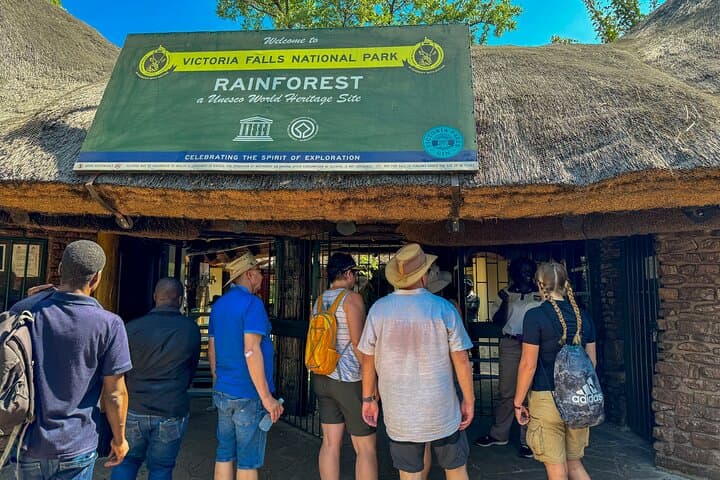
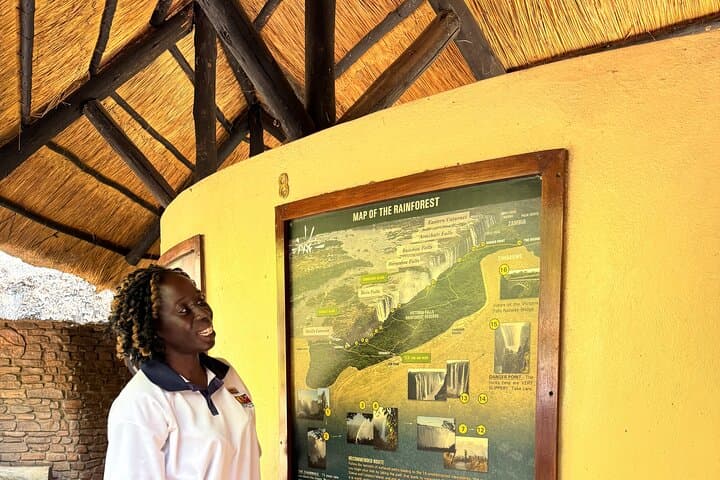
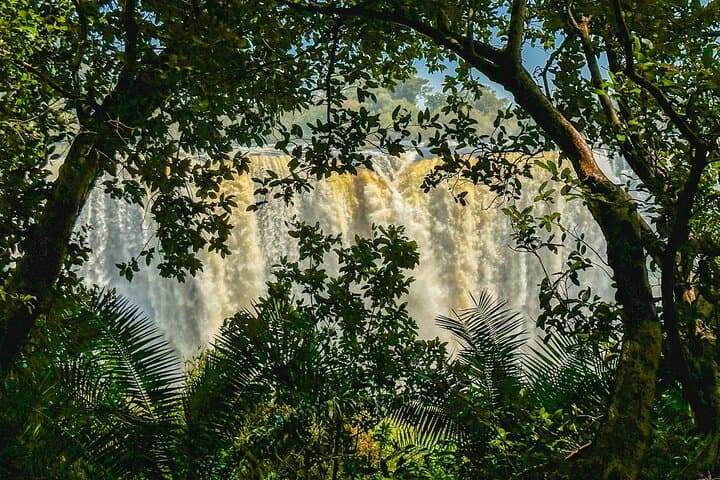
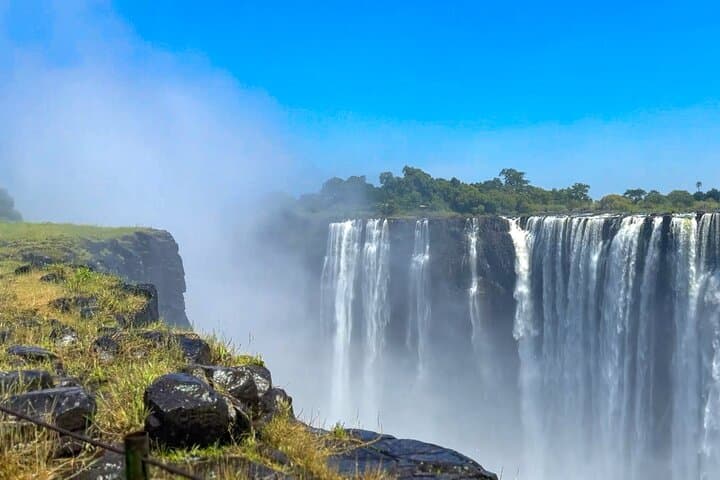
You arrive to the hush before the roar: a humid, fragrant breeze carries spray and the distant, steady thunder of water carving a canyon. The trail through the Rain Forest opens to a sequence of viewpoints where the Zambezi plunges over a 100‑metre lip, sending curtains of mist that catch sunlight in sudden, transient rainbows.
You arrive to the hush before the roar: a humid, fragrant breeze carries spray and the distant, steady thunder of water carving a canyon. The trail through the Rain Forest opens to a sequence of viewpoints where the Zambezi plunges over a 100‑metre lip, sending curtains of mist that catch sunlight in sudden, transient rainbows.
The falls sit on the Zambia–Zimbabwe border and were named Victoria Falls by David Livingstone in 1855; locally they are Mosi‑oa‑Tunya, 'The Smoke That Thunders.' Geologically, the basalt plateau fractures into gorges that focus the river into cataracts and plunge pools — the Boiling Pot below is a churned basin shaped by millennia of flow. Birdlife and riverine flora cling to the moist cliff edges, while the nearby Victorian bridge and colonial-era viewpoints reflect the region's layered human history.
On this guided walk from the Zimbabwean side, expect paved paths, wooden viewing platforms, and sections that turn slippery with constant spray. Guides point out native figs and mahogany, call out sightings of baboons and hornbills, and time visits for the best light and photos. Raincoats are usually provided, and the route is suitable for most fitness levels.
Practical tips: go early for softer light and lighter crowds, secure electronics with waterproof protection, wear closed shoes with grip, and bring local currency for park fees or souvenirs. Respect marked trails and wildlife — the fragility of the Rain Forest and the seasonal swings of the Zambezi mean visitors carry responsibility as well as cameras.