THE ADVENTURE COLLECTIVE® · Independent discovery and booking for outdoor travel

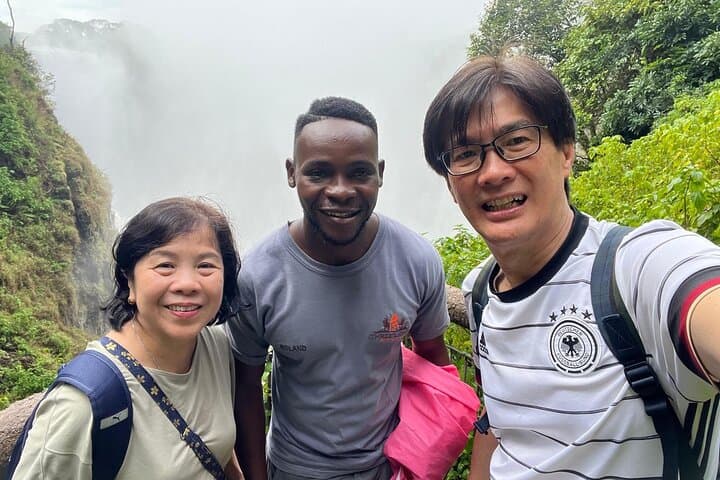
Experience Victoria Falls with a knowledgeable local guide—feel the spray, learn the geology and local stories, and capture dramatic rainbows. This 2–3 hour guided walk covers major viewpoints, the rainforest trail, and the iconic Big Tree baobab.
Experience Victoria Falls with a knowledgeable local guide—feel the spray, learn the geology and local stories, and capture dramatic rainbows. This 2–3 hour guided walk covers major viewpoints, the rainforest trail, and the iconic Big Tree baobab.
You step onto a damp path and the Zambezi announces itself: a constant, deep roar that grows until the rainforest shakes with spray. Mist climbs like breath from the gorge and rainbows appear and disappear as the river forces itself over a basalt lip—this is Victoria Falls, Mosi-oa-Tunya, the Smoke That Thunders.
Verified experiences and guided adventures in the surrounding area.
Operated by RUACH TRAVEL AGENCY PRIVATE BUSINESS CORPORATION · Victoria Falls, Matabeleland North
You step onto a damp path and the Zambezi announces itself: a constant, deep roar that grows until the rainforest shakes with spray. Mist climbs like breath from the gorge and rainbows appear and disappear as the river forces itself over a basalt lip—this is Victoria Falls, Mosi-oa-Tunya, the Smoke That Thunders.
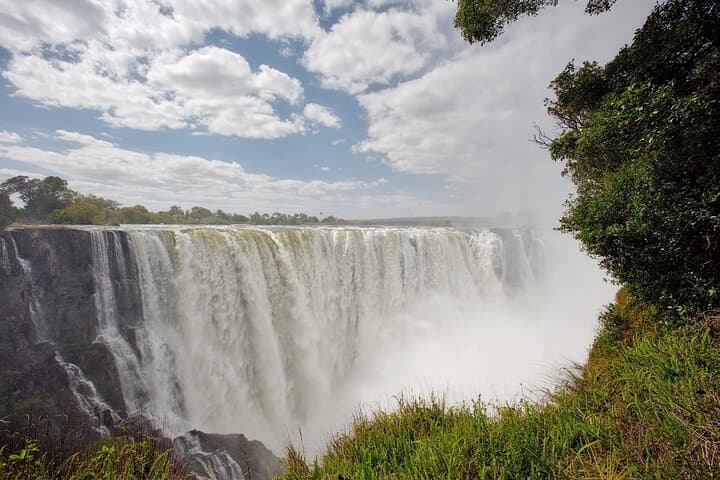
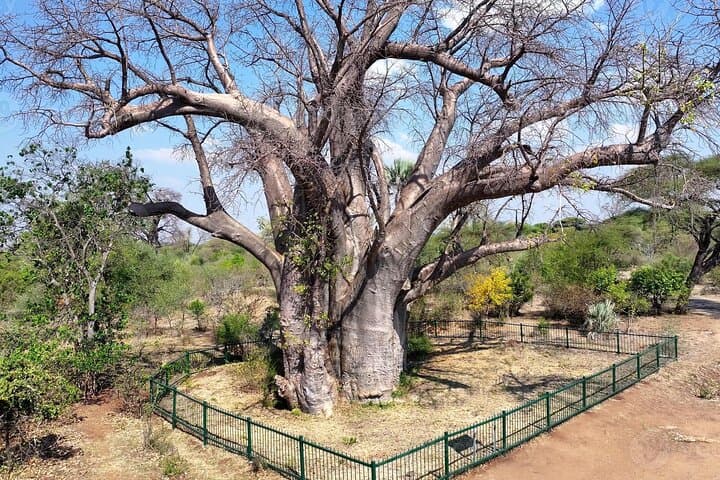
Formed where the Zambezi slices across a basalt plateau, the falls plunge more than 100 metres and spread roughly 1.7 kilometres at peak flow. Local guides weave geology, Tonga and Lozi traditions, and colonial-era exploration into a short narrative that explains the falls’ gorge system, the Big Tree baobab near the trail, and sacred sites along the riverbanks.
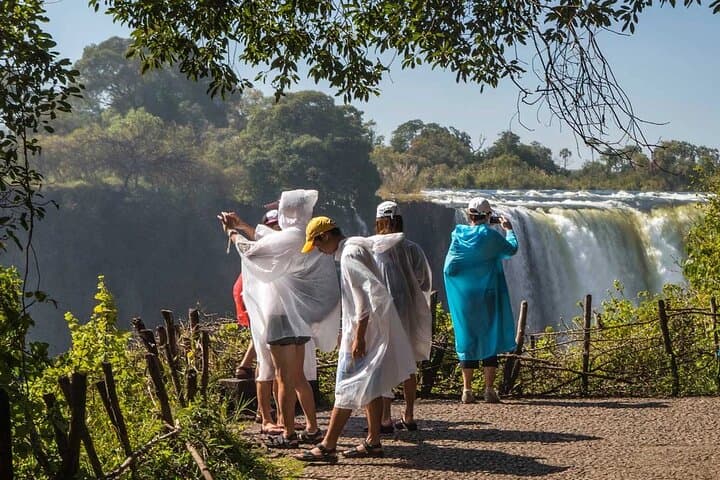
Trails on the Zimbabwe side are compact but varied: cliff-top viewpoints, forested walkways, and slick, mist-washed platforms that bring you close to the spray. Wildlife—baboons, colorful sunbirds and fish eagles—threads through visits, and low-water seasons reveal rock islands and the carved channels of earlier floods.
Practical guidance: allow two to three hours for a guided circuit with photo stops; expect wet conditions and short stairs. Mornings and late afternoons offer softer light and more dramatic rainbows; high-water months (Feb–May) deliver maximum volume but heavy spray, while drier months improve visibility and reveal geological details. Wear sturdy, waterproof shoes, shield electronics, and carry a light waterproof layer. Respect signage and keep distance from cliffs and wildlife. The result is equal parts spectacle and fieldwork—a sensory, educational walk that makes the falls’ scale and story unmistakable.
easy.
2–3 hours.
Light walking on mostly flat paths with some stairs; suitable for most fitness levels.
Park admission is typically not included; the tour covers viewpoints and guiding but you should confirm and purchase park entry separately or bring cash for on-site fees.
Many viewpoints and transport options are accessible, but some trails include steps and wet surfaces—notify the operator of mobility needs when booking.
High water is usually between February and May for maximum volume and thunderous spray; dry-season months reveal more rock detail and clearer viewing lines.
You may spot birds, monkeys and small mammals near the rain forest; large mammals are more common along stretches of the Zambezi away from the main viewing circuit.
Mosi-oa-Tunya was named by local peoples long before European discovery; David Livingstone’s 1855 account brought international attention to the falls and subsequent colonial-era tourism development.
The falls sit within protected parks on both sides of the border; visitors should stick to marked paths, avoid feeding wildlife and minimize single-use plastics to reduce impact.
RUACH TRAVEL AGENCY PRIVATE BUSINESS CORPORATION operates guided outdoor trips and adventures with an emphasis on safety, stewardship, and memorable experiences.
You step onto a damp path and the Zambezi announces itself: a constant, deep roar that grows until the rainforest shakes with spray. Mist climbs like breath from the gorge and rainbows appear and disappear as the river forces itself over a basalt lip—this is Victoria Falls, Mosi-oa-Tunya, the Smoke That Thunders.
You step onto a damp path and the Zambezi announces itself: a constant, deep roar that grows until the rainforest shakes with spray. Mist climbs like breath from the gorge and rainbows appear and disappear as the river forces itself over a basalt lip—this is Victoria Falls, Mosi-oa-Tunya, the Smoke That Thunders.
Formed where the Zambezi slices across a basalt plateau, the falls plunge more than 100 metres and spread roughly 1.7 kilometres at peak flow. Local guides weave geology, Tonga and Lozi traditions, and colonial-era exploration into a short narrative that explains the falls’ gorge system, the Big Tree baobab near the trail, and sacred sites along the riverbanks.
Trails on the Zimbabwe side are compact but varied: cliff-top viewpoints, forested walkways, and slick, mist-washed platforms that bring you close to the spray. Wildlife—baboons, colorful sunbirds and fish eagles—threads through visits, and low-water seasons reveal rock islands and the carved channels of earlier floods.
Practical guidance: allow two to three hours for a guided circuit with photo stops; expect wet conditions and short stairs. Mornings and late afternoons offer softer light and more dramatic rainbows; high-water months (Feb–May) deliver maximum volume but heavy spray, while drier months improve visibility and reveal geological details. Wear sturdy, waterproof shoes, shield electronics, and carry a light waterproof layer. Respect signage and keep distance from cliffs and wildlife. The result is equal parts spectacle and fieldwork—a sensory, educational walk that makes the falls’ scale and story unmistakable.