THE ADVENTURE COLLECTIVE® · Independent discovery and booking for outdoor travel

Walk the rim of Victoria Falls with an informed guide and feel the spray, hear the roar and learn the geology and history that shape this great waterfall. Read practical tips on timing, what to bring, and what to expect on a two-hour viewpoint circuit.
Walk the rim of Victoria Falls with an informed guide and feel the spray, hear the roar and learn the geology and history that shape this great waterfall. Read practical tips on timing, what to bring, and what to expect on a two-hour viewpoint circuit.
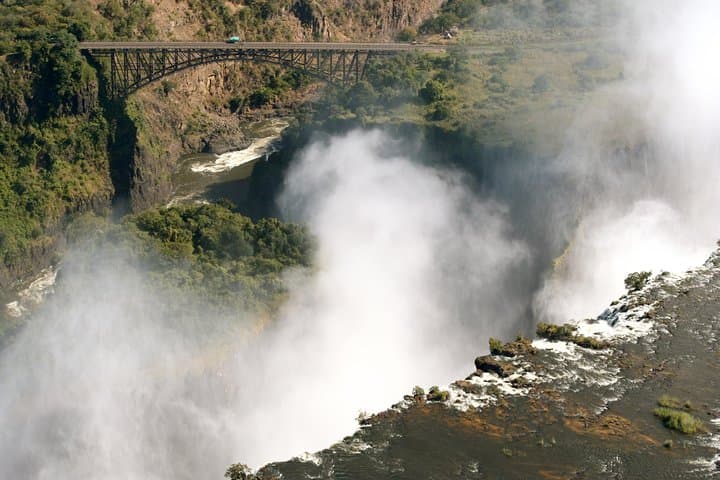
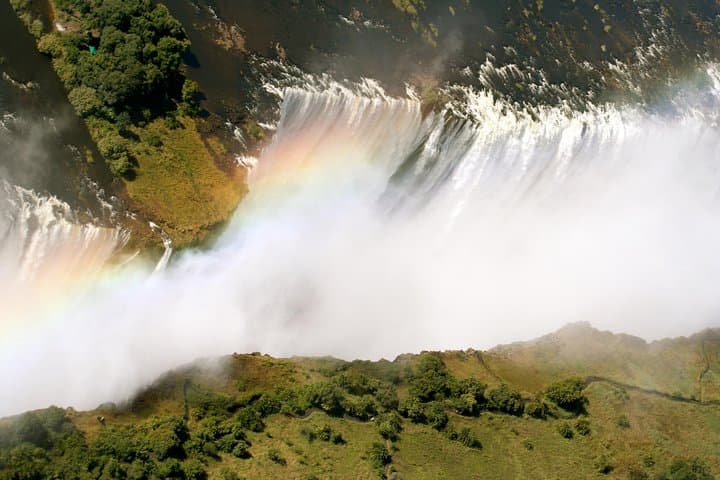
You step onto a damp boardwalk and the air changes—mist catches the light and an enormous roar fills the valley. The guide leads you between viewpoints, each one a different angle on the curtain of water that defines the Zambezi here. Spray dares you to get closer; rainbows appear and vanish like punctuation.
Verified experiences and guided adventures in the surrounding area.
Operated by Batoka Africa · Victoria Falls, Matabeleland North
You step onto a damp boardwalk and the air changes—mist catches the light and an enormous roar fills the valley. The guide leads you between viewpoints, each one a different angle on the curtain of water that defines the Zambezi here. Spray dares you to get closer; rainbows appear and vanish like punctuation.
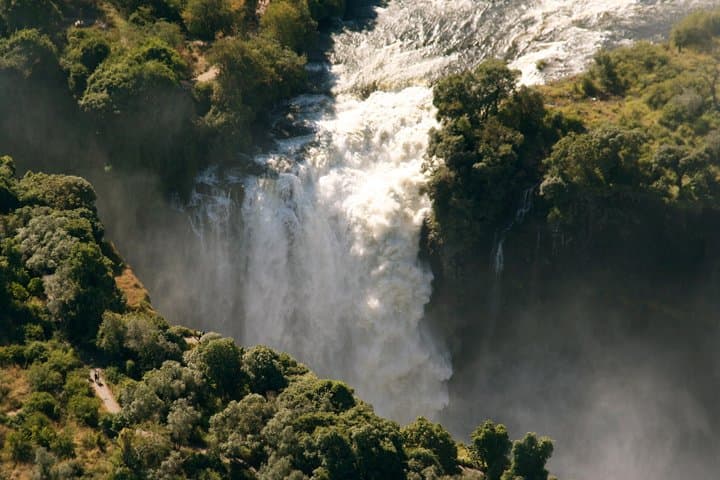
Geology and history sit side-by-side: the Zambezi slices through ancient basalt to drop roughly 108 metres into a series of narrow gorges, and the result is Mosi-oa-Tunya—"The Smoke That Thunders." David Livingstone put the falls on Western maps in the 19th century, and the surrounding town grew to serve river pilots, prospectors and travelers. Local Tonga and Kololo communities maintain cultural ties to the river and its rhythms.
On this two-hour guided circuit you can expect paved and packed-earth paths, lookout platforms, and a moist rainforest corridor fed by constant spray. Guides interpret vantage points and point out seasonal changes in flow and wildlife along the rim. Bring a waterproof layer—the spray is part of the show—and steady shoes; some paths are slick.
Practicalities: guided tours typically include park admission and short transits from the town; tours run year-round but the experience shifts with the seasons—peak flow offers spectacle and limited visibility, low flow gives clearer views of the rock face and river channels. Plan for morning or late afternoon for softer light and smaller crowds, keep electronics protected, and leave extra time to watch the river slow into the gorges below.
easy.
2 hours.
Suitable for most fitness levels; involves short walks on paved and packed-earth paths with occasional steps.
This tour lists admission as included, so your guide should handle park entry; confirm at booking for specific ticket types.
The operator notes wheelchair-accessible options and accessible transport—notify them of needs during booking to confirm routes and pickup points.
Late rainy season (typically February–May) produces the largest flow and most spray; dry season (roughly August–October) shows lower flow and clearer rock faces.
Infants and small children can join, but keep them close on viewpoints—some areas have wet, slippery surfaces and steep drop-offs.
Named Mosi-oa-Tunya by local people and later Victoria Falls by David Livingstone, the site has long been a cultural and navigational landmark on the Zambezi.
The falls and surrounding national parks are managed to balance tourism and river ecology—stay on marked paths, avoid littering, and follow guide instructions to limit impact.
Batoka Africa operates guided outdoor trips and adventures with an emphasis on safety, stewardship, and memorable experiences.
You step onto a damp boardwalk and the air changes—mist catches the light and an enormous roar fills the valley. The guide leads you between viewpoints, each one a different angle on the curtain of water that defines the Zambezi here. Spray dares you to get closer; rainbows appear and vanish like punctuation.
You step onto a damp boardwalk and the air changes—mist catches the light and an enormous roar fills the valley. The guide leads you between viewpoints, each one a different angle on the curtain of water that defines the Zambezi here. Spray dares you to get closer; rainbows appear and vanish like punctuation.
Geology and history sit side-by-side: the Zambezi slices through ancient basalt to drop roughly 108 metres into a series of narrow gorges, and the result is Mosi-oa-Tunya—"The Smoke That Thunders." David Livingstone put the falls on Western maps in the 19th century, and the surrounding town grew to serve river pilots, prospectors and travelers. Local Tonga and Kololo communities maintain cultural ties to the river and its rhythms.
On this two-hour guided circuit you can expect paved and packed-earth paths, lookout platforms, and a moist rainforest corridor fed by constant spray. Guides interpret vantage points and point out seasonal changes in flow and wildlife along the rim. Bring a waterproof layer—the spray is part of the show—and steady shoes; some paths are slick.
Practicalities: guided tours typically include park admission and short transits from the town; tours run year-round but the experience shifts with the seasons—peak flow offers spectacle and limited visibility, low flow gives clearer views of the rock face and river channels. Plan for morning or late afternoon for softer light and smaller crowds, keep electronics protected, and leave extra time to watch the river slow into the gorges below.