THE ADVENTURE COLLECTIVE® · Independent discovery and booking for outdoor travel

Combine the thunder of Victoria Falls with an intimate walking safari to see white rhino on this accessible half‑day tour from Livingstone. Expect short walks, dramatic viewpoints, and a packed lunch at the Lookout Tree.
Combine the thunder of Victoria Falls with an intimate walking safari to see white rhino on this accessible half‑day tour from Livingstone. Expect short walks, dramatic viewpoints, and a packed lunch at the Lookout Tree.
You approach the roar before you see it: a wall of mist rising from the Zambezi, sunlight fracturing into spray as water plunges into the Batoka Gorge. On this half-day outing from Livingstone, the path takes you along carved viewpoints and stout iron walkways to encounter Victoria Falls — one of the planet’s great moving features — then shifts tone to a quiet walking safari in Mosi-oa-Tunya National Park where white rhino graze in open scrub.
Verified experiences and guided adventures in the surrounding area.
Operated by Ramjet Safaris · Livingstone, Southern Province
You approach the roar before you see it: a wall of mist rising from the Zambezi, sunlight fracturing into spray as water plunges into the Batoka Gorge. On this half-day outing from Livingstone, the path takes you along carved viewpoints and stout iron walkways to encounter Victoria Falls — one of the planet’s great moving features — then shifts tone to a quiet walking safari in Mosi-oa-Tunya National Park where white rhino graze in open scrub.
Geology here is dramatic and readable: the Zambezi slices through basalt escarpments, creating cataracts and the downstream gorge. The name Mosi-oa-Tunya, “the smoke that thunders,” is older than colonial maps; David Livingstone’s 19th‑century accounts brought the place to global attention, and the falls have shaped local Tonga culture and riverine livelihoods for millennia.
Expect roughly 2–5 km of walking on mixed surfaces — paved viewing platforms, compacted trail, and sandy game paths — with minimal elevation gain (under 100 m). Guides focus on interpretation and safety: viewpoints, photo stops, and a guided rhino approach from hides or low-impact tracks. Lunch is provided at the Lookout Tree after the falls tour.
Practical guidance: go early to avoid crowds and midday spray, carry a waterproof layer and sun protection, and bring comfortable, grippy footwear for wet rock. Wildlife viewing is best in the dry months when animals concentrate near water, but the falls are most thunderous in high water. Follow your guide’s instructions at all times; respect viewing distances and conservation rules.
easy.
5 hours.
Suitable for people in general good health who can handle 2–5 km of mostly easy walking with short uneven sections
Yes — the operator lists wheelchair and stroller accessibility for main areas; confirm any specific mobility needs at booking so they can arrange suitable transport and routes.
For dramatic flow at the falls visit Feb–May; for clearer viewing and better wildlife (including rhino) sightings visit the dry months May–Oct when animals concentrate near water.
Photography is allowed — bring a waterproof camera protection for the falls; for rhinos stay behind the guide and any hides, and avoid flash or rapid movements that could startle animals.
Approaches are controlled and guided; depending on conditions you may view rhino from short distances on foot or from low hides, but never closer than the guide permits for safety and conservation.
The falls were known locally as Mosi-oa-Tunya long before David Livingstone’s 19th‑century accounts; the river and park have shaped Tonga culture and regional trade routes.
Mosi-oa-Tunya National Park hosts active rhino conservation and anti-poaching efforts; visitors help by staying on trails, following guides, and avoiding single-use plastics where possible.
Ramjet Safaris operates guided outdoor trips and adventures with an emphasis on safety, stewardship, and memorable experiences.
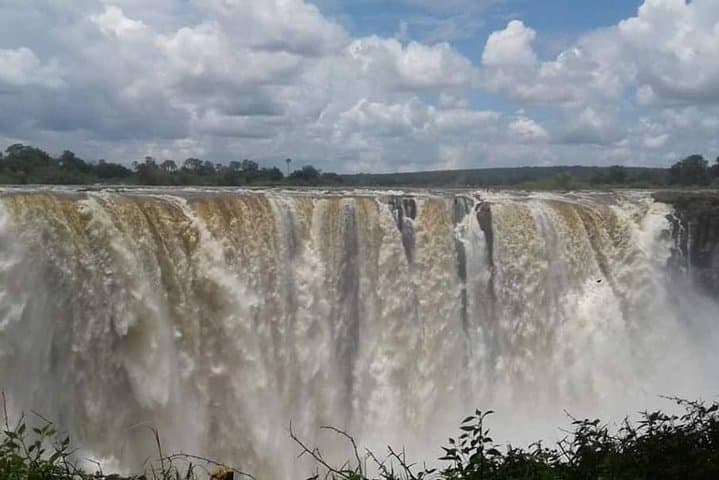
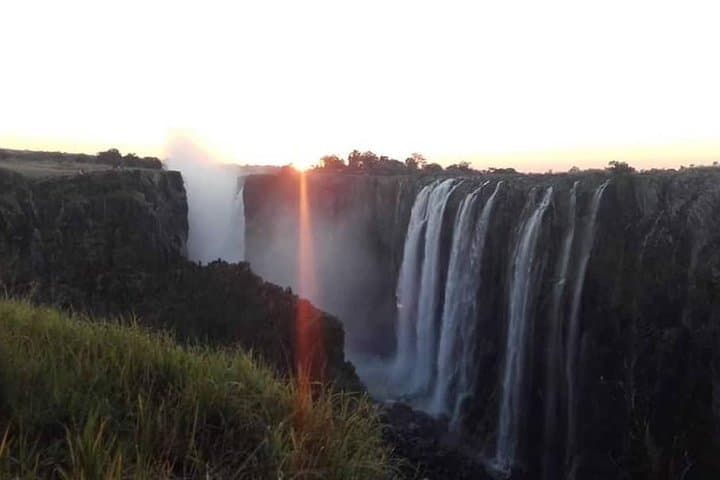
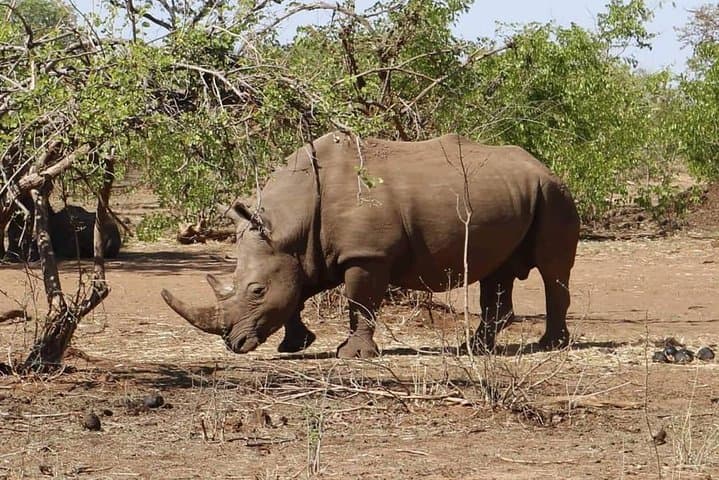
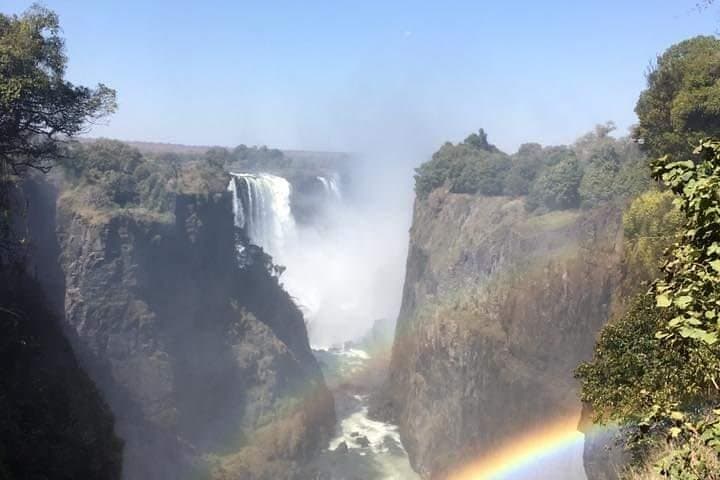
You approach the roar before you see it: a wall of mist rising from the Zambezi, sunlight fracturing into spray as water plunges into the Batoka Gorge. On this half-day outing from Livingstone, the path takes you along carved viewpoints and stout iron walkways to encounter Victoria Falls — one of the planet’s great moving features — then shifts tone to a quiet walking safari in Mosi-oa-Tunya National Park where white rhino graze in open scrub.
You approach the roar before you see it: a wall of mist rising from the Zambezi, sunlight fracturing into spray as water plunges into the Batoka Gorge. On this half-day outing from Livingstone, the path takes you along carved viewpoints and stout iron walkways to encounter Victoria Falls — one of the planet’s great moving features — then shifts tone to a quiet walking safari in Mosi-oa-Tunya National Park where white rhino graze in open scrub.
Geology here is dramatic and readable: the Zambezi slices through basalt escarpments, creating cataracts and the downstream gorge. The name Mosi-oa-Tunya, “the smoke that thunders,” is older than colonial maps; David Livingstone’s 19th‑century accounts brought the place to global attention, and the falls have shaped local Tonga culture and riverine livelihoods for millennia.
Expect roughly 2–5 km of walking on mixed surfaces — paved viewing platforms, compacted trail, and sandy game paths — with minimal elevation gain (under 100 m). Guides focus on interpretation and safety: viewpoints, photo stops, and a guided rhino approach from hides or low-impact tracks. Lunch is provided at the Lookout Tree after the falls tour.
Practical guidance: go early to avoid crowds and midday spray, carry a waterproof layer and sun protection, and bring comfortable, grippy footwear for wet rock. Wildlife viewing is best in the dry months when animals concentrate near water, but the falls are most thunderous in high water. Follow your guide’s instructions at all times; respect viewing distances and conservation rules.