THE ADVENTURE COLLECTIVE® · Independent discovery and booking for outdoor travel

Stand where two countries view the same roar. This 5–6 hour guided tour takes you to the best viewpoints on both the Zambian and Zimbabwean sides of Victoria Falls, combining geological context, local history, and practical guidance for a half-day immersion.
Stand where two countries view the same roar. This 5–6 hour guided tour takes you to the best viewpoints on both the Zambian and Zimbabwean sides of Victoria Falls, combining geological context, local history, and practical guidance for a half-day immersion.
You step into a living wall of spray: light refracts through vapor, the ground trembles beneath a roar that has defined this place for millennia. On a half-day guided tour that visits both the Zambian and Zimbabwean viewpoints you’ll move from wide panoramic ledges to intimate rainforest trails, each perspective reframing the falls’ scale and force.
Verified experiences and guided adventures in the surrounding area.
Operated by Brown L B Travel and Tours · Livingstone, Southern Province
You step into a living wall of spray: light refracts through vapor, the ground trembles beneath a roar that has defined this place for millennia. On a half-day guided tour that visits both the Zambian and Zimbabwean viewpoints you’ll move from wide panoramic ledges to intimate rainforest trails, each perspective reframing the falls’ scale and force.
Geologically, Victoria Falls is a basalt escarpment where the Zambezi River slices a deep gash through ancient lava flows; the result is a 1,708-meter-wide curtain and the local name Mosi-oa-Tunya—"The Smoke That Thunders." Culturally, the area mixes Lozi and Tonga heritage with the Victorian-era legacy of explorer David Livingstone, whose 19th-century accounts opened the falls to global attention.
Expect wet-suit-free but wet-shoes reality: boardwalks and dirt trails become slick from constant spray. The Zimbabwe side offers broad, sweeping viewpoints and photo opportunities; Zambia’s pathways bring you closer to the water’s edge and quieter vantage points. Guides handle border formalities and explain park fees and safety around sheer drops and fast currents.
Practical guidance: wear quick-dry clothing and secure footwear, carry a waterproof cover for cameras, and bring local currency for park fees and tips. Plan the visit mid-morning or late afternoon to avoid peak crowds and to catch side-light on the falls. If visiting in the dry season, expect reduced flow but clearer views; in full flood the mist can obscure distant vistas but intensifies the sensory experience.
This tour is a compact, high-impact way to feel the falls’ power while getting historical and logistical context from a local guide.
moderate.
5–6 hours.
Moderate fitness for walking on uneven, wet trails and negotiating steps and viewpoints; not strenuous but expect 2–4 miles of walking total.
Visa requirements depend on your nationality; some travelers can obtain visas on arrival, but check requirements and have passport pages free for stamps.
You will get splashed; in high flow months mist can reach viewpoints—waterproof gear and dry bags are recommended.
Tour inclusions vary—confirm whether entrance fees to Mosi-oa-Tunya (Zambia) and Victoria Falls National Park (Zimbabwe) are covered or payable on arrival.
Many viewpoints are accessible and the tour lists wheelchair/stroller accessibility, but some paths have steps; contact the operator about specific mobility needs.
Named by Scottish explorer David Livingstone in 1855, the falls sit on the border of two colonial-era territories and carry the indigenous name Mosi-oa-Tunya reflecting local peoples’ long relationship with the site.
Both national parks manage visitor numbers and trails to limit erosion and habitat disturbance; stay on marked paths, avoid feeding wildlife, and dispose of waste responsibly.
Brown L B Travel and Tours operates guided outdoor trips and adventures with an emphasis on safety, stewardship, and memorable experiences.
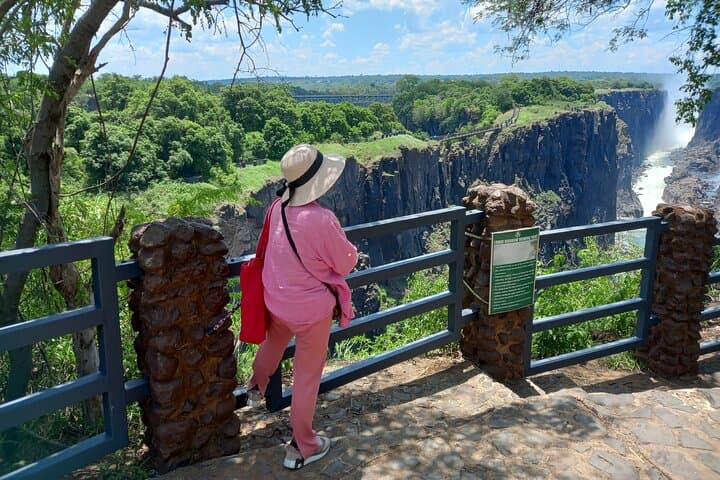
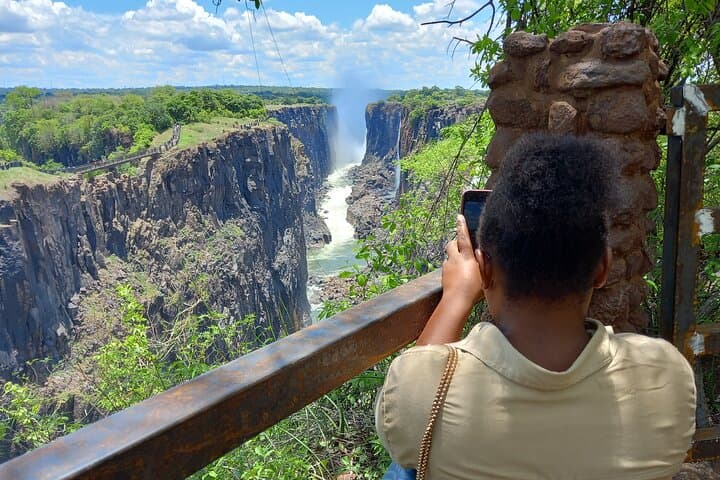
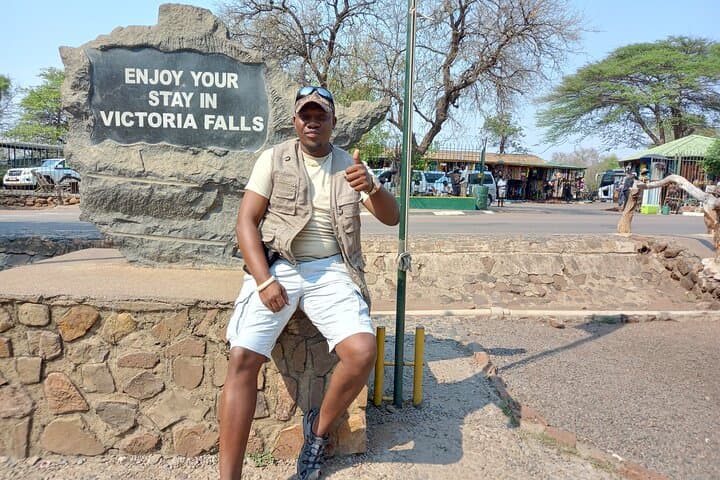
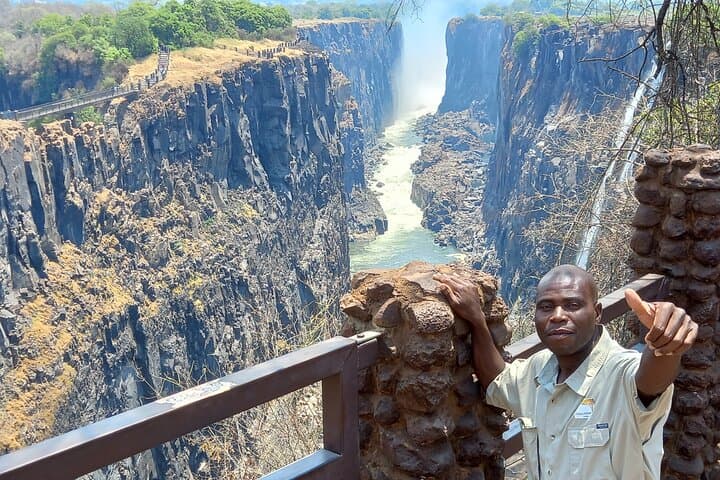
You step into a living wall of spray: light refracts through vapor, the ground trembles beneath a roar that has defined this place for millennia. On a half-day guided tour that visits both the Zambian and Zimbabwean viewpoints you’ll move from wide panoramic ledges to intimate rainforest trails, each perspective reframing the falls’ scale and force.
You step into a living wall of spray: light refracts through vapor, the ground trembles beneath a roar that has defined this place for millennia. On a half-day guided tour that visits both the Zambian and Zimbabwean viewpoints you’ll move from wide panoramic ledges to intimate rainforest trails, each perspective reframing the falls’ scale and force.
Geologically, Victoria Falls is a basalt escarpment where the Zambezi River slices a deep gash through ancient lava flows; the result is a 1,708-meter-wide curtain and the local name Mosi-oa-Tunya—"The Smoke That Thunders." Culturally, the area mixes Lozi and Tonga heritage with the Victorian-era legacy of explorer David Livingstone, whose 19th-century accounts opened the falls to global attention.
Expect wet-suit-free but wet-shoes reality: boardwalks and dirt trails become slick from constant spray. The Zimbabwe side offers broad, sweeping viewpoints and photo opportunities; Zambia’s pathways bring you closer to the water’s edge and quieter vantage points. Guides handle border formalities and explain park fees and safety around sheer drops and fast currents.
Practical guidance: wear quick-dry clothing and secure footwear, carry a waterproof cover for cameras, and bring local currency for park fees and tips. Plan the visit mid-morning or late afternoon to avoid peak crowds and to catch side-light on the falls. If visiting in the dry season, expect reduced flow but clearer views; in full flood the mist can obscure distant vistas but intensifies the sensory experience.
This tour is a compact, high-impact way to feel the falls’ power while getting historical and logistical context from a local guide.