THE ADVENTURE COLLECTIVE® · Independent discovery and booking for outdoor travel

A compact two-day loop from Livingstone that pairs the thunder of Victoria Falls with a rhino game drive and Livingstone Island High Tea. Expect wet trails, dramatic viewpoints, and close guided encounters in Mosi-oa-Tunya National Park.
A compact two-day loop from Livingstone that pairs the thunder of Victoria Falls with a rhino game drive and Livingstone Island High Tea. Expect wet trails, dramatic viewpoints, and close guided encounters in Mosi-oa-Tunya National Park.
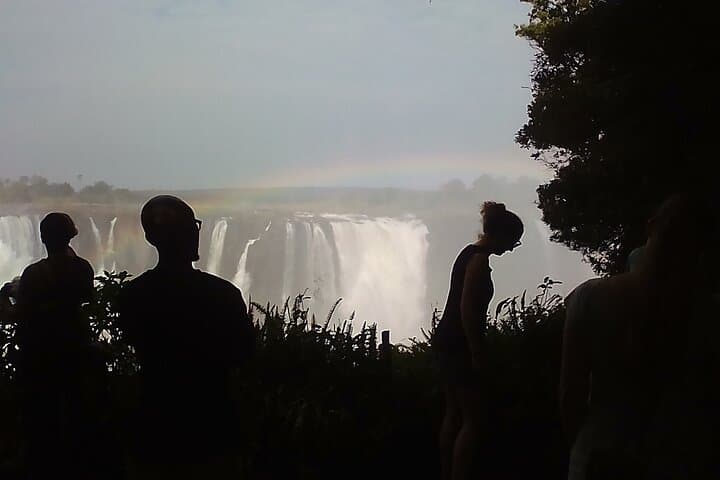
A dawn mist rises off the gorge like a living thing, the Zambezi daring you closer as spray threads sunlight into a low-hanging halo. This two-day Victoria Falls Experience starts in Livingstone and moves fast — a guided walk along the Zimbabwe side, a cautious step across the Knife-Edge Bridge, and an early-morning game drive that brings you face-to-face with white rhino in Mosi-oa-Tunya National Park.
Verified experiences and guided adventures in the surrounding area.
Operated by Livingstone Lourie Safari Ltd · Livingstone, Southern Province
A dawn mist rises off the gorge like a living thing, the Zambezi daring you closer as spray threads sunlight into a low-hanging halo. This two-day Victoria Falls Experience starts in Livingstone and moves fast — a guided walk along the Zimbabwe side, a cautious step across the Knife-Edge Bridge, and an early-morning game drive that brings you face-to-face with white rhino in Mosi-oa-Tunya National Park.
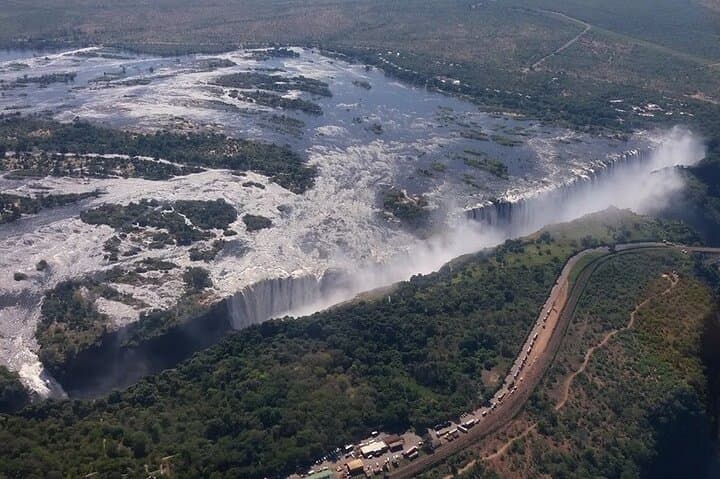
The falls are both geology and story: a 1,700‑metre cleft in basalt where the Zambezi finds its last dramatic slope, eroding cliffs that created the waterfall complex tens of thousands of years ago. David Livingstone gave the site its colonial name; the local Tonga people call it Mosi-oa-Tunya, “the smoke that thunders.” The Victoria Falls Bridge itself, an iron span built in 1905, frames the gorge and carries its own museum of cross-border engineering.
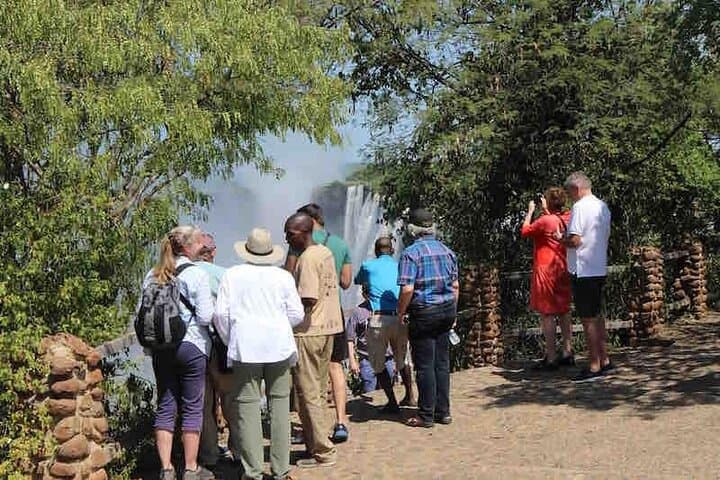
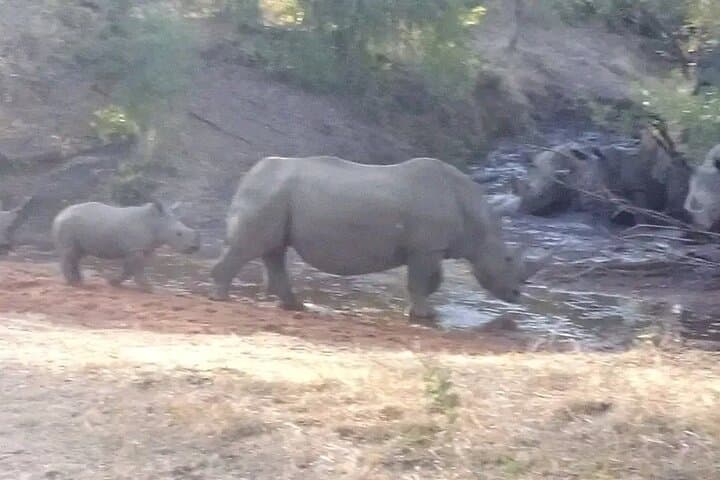
Expect short, steep paths and viewpoints that alternate between open ledges and wet, mossy walkways; the Knife-Edge has narrow sections and heavy spray near the Boiling Pot descent. On the game drive, guides look for concentrated wildlife along seasonal waterlines — rhino, elephant and antelope are regulars.
Practical tip: pack waterproof layers, good grip shoes, and sunscreen; protect cameras from spray. Carry your passport if you plan to visit both Zambia and Zimbabwe sides; confirm visa requirements in advance. The itinerary includes Maramba River Lodge lodging and Livingstone Island High Tea — book ahead and plan morning drives for cooler, more active wildlife sightings.
moderate.
2 days (approx. 48 hours).
Moderate fitness for short hikes, stairs and standing on viewpoints; able to climb stairs to Boiling Pot viewpoints.
Visa requirements depend on nationality; this tour visits the Zimbabwe side from Livingstone (Zambia), so carry your passport and check entry rules—some travelers need visas for Zimbabwe or should apply for the KAZA UniVisa where available.
Trails are short but include slippery, stepped sections; participants should be steady on their feet and able to manage uneven surfaces and occasional steep descents.
Encounters are guided and designed to minimize risk; remain with your guide, follow instructions, and keep noise and movement to a minimum to avoid disturbing animals.
Early morning is best for game drives—cooler temperatures and increased animal activity make sightings more likely, while late afternoon can also be productive.
The falls were named by explorer David Livingstone in 1855; locally they are called Mosi-oa-Tunya, meaning 'the smoke that thunders.' The region's colonial-era bridge (1905) links the Zambian and Zimbabwean sides.
Mosi-oa-Tunya National Park and nearby reserves manage wildlife and habitat protection; visitor numbers and guided routes help reduce disturbance, and water flow is affected by regional rainfall patterns, so responsible tourism helps protect both river and wildlife.
Livingstone Lourie Safari Ltd operates guided outdoor trips and adventures with an emphasis on safety, stewardship, and memorable experiences.
A dawn mist rises off the gorge like a living thing, the Zambezi daring you closer as spray threads sunlight into a low-hanging halo. This two-day Victoria Falls Experience starts in Livingstone and moves fast — a guided walk along the Zimbabwe side, a cautious step across the Knife-Edge Bridge, and an early-morning game drive that brings you face-to-face with white rhino in Mosi-oa-Tunya National Park.
A dawn mist rises off the gorge like a living thing, the Zambezi daring you closer as spray threads sunlight into a low-hanging halo. This two-day Victoria Falls Experience starts in Livingstone and moves fast — a guided walk along the Zimbabwe side, a cautious step across the Knife-Edge Bridge, and an early-morning game drive that brings you face-to-face with white rhino in Mosi-oa-Tunya National Park.
The falls are both geology and story: a 1,700‑metre cleft in basalt where the Zambezi finds its last dramatic slope, eroding cliffs that created the waterfall complex tens of thousands of years ago. David Livingstone gave the site its colonial name; the local Tonga people call it Mosi-oa-Tunya, “the smoke that thunders.” The Victoria Falls Bridge itself, an iron span built in 1905, frames the gorge and carries its own museum of cross-border engineering.
Expect short, steep paths and viewpoints that alternate between open ledges and wet, mossy walkways; the Knife-Edge has narrow sections and heavy spray near the Boiling Pot descent. On the game drive, guides look for concentrated wildlife along seasonal waterlines — rhino, elephant and antelope are regulars.
Practical tip: pack waterproof layers, good grip shoes, and sunscreen; protect cameras from spray. Carry your passport if you plan to visit both Zambia and Zimbabwe sides; confirm visa requirements in advance. The itinerary includes Maramba River Lodge lodging and Livingstone Island High Tea — book ahead and plan morning drives for cooler, more active wildlife sightings.