THE ADVENTURE COLLECTIVE® · Independent discovery and booking for outdoor travel

Cross the border from Kasane for a full-day visit to Victoria Falls — Mosi-oa-Tunya — where basalt cliffs and the Zambezi produce spray, roar and dramatic viewpoints. This practical guide covers what to expect, how to prepare, and when to go.
Cross the border from Kasane for a full-day visit to Victoria Falls — Mosi-oa-Tunya — where basalt cliffs and the Zambezi produce spray, roar and dramatic viewpoints. This practical guide covers what to expect, how to prepare, and when to go.
Morning light carries a fine mist as the minivan slides out of Kasane and the Zambezi begins to thicken into thunder. A short border crossing later and the road deposits you at the rim of Victoria Falls, where the river detonates over basalt and sends a plume of spray skyward — the locals call it Mosi-oa-Tunya, "the smoke that thunders."
Verified experiences and guided adventures in the surrounding area.
Operated by Afrinature Safaris · Victoria Falls, Matabeleland North
Morning light carries a fine mist as the minivan slides out of Kasane and the Zambezi begins to thicken into thunder. A short border crossing later and the road deposits you at the rim of Victoria Falls, where the river detonates over basalt and sends a plume of spray skyward — the locals call it Mosi-oa-Tunya, "the smoke that thunders."
The falls sit where hard basalt layers fracture and the Zambezi has cut a chain of gorges across the plateau. European contact dates to David Livingstone in the mid-19th century, but Tonga and Lozi communities have long held cultural ties to the river and its seasonal rhythms. On the Zimbabwe side, fenced boardwalks thread rainforest pockets and viewpoints like Danger Point and Knife-Edge Bridge, giving close, dramatic perspectives of the curtain and downstream gorges.
This is a practical full-day outing: expect roughly an 80 km drive from Kasane each way with immigration formalities and several hours exploring the park. Paths are short but often wet and slippery; sections total roughly 1–3 km of walking between viewpoints. In the wet season the spray can drench you and obscure vistas; in the dry season rock detail and channel geometry are exposed.
Bring your passport and any required visa, sturdy non-slip shoes, a waterproof layer or dry bag for electronics, and a daypack with water and snacks. Aim for early morning or late afternoon light to avoid crowds and capture the falls at their most elemental. Respect marked trails, carry out waste, and let the sheer power of the Zambezi shape your visit.
easy.
10 hours.
Suitable for most fitness levels—short, mostly flat walks between viewpoints but expect slippery sections.
Yes—bring a valid passport. Visa requirements depend on your nationality; check in advance and carry cash for any visa-on-arrival fees.
The drive is about 80 km each way; with border formalities and park time plan on roughly a 10-hour day trip.
Possibly—especially in the wet season (Nov–Mar) when spray can be heavy; waterproof clothing and protected electronics are recommended.
The main Zimbabwe side has boardwalks and some accessible viewpoints, but sections can be uneven and wet—check with your operator for specific accessibility arrangements.
Named by the Tonga people as Mosi-oa-Tunya, the site was first reported to Europeans by David Livingstone in 1855 and has long been central to local cultural practices.
The falls sit within national park boundaries—pay park fees, stay on marked paths, and avoid feeding wildlife to reduce human impact on fragile riverine ecosystems.
Afrinature Safaris operates guided outdoor trips and adventures with an emphasis on safety, stewardship, and memorable experiences.
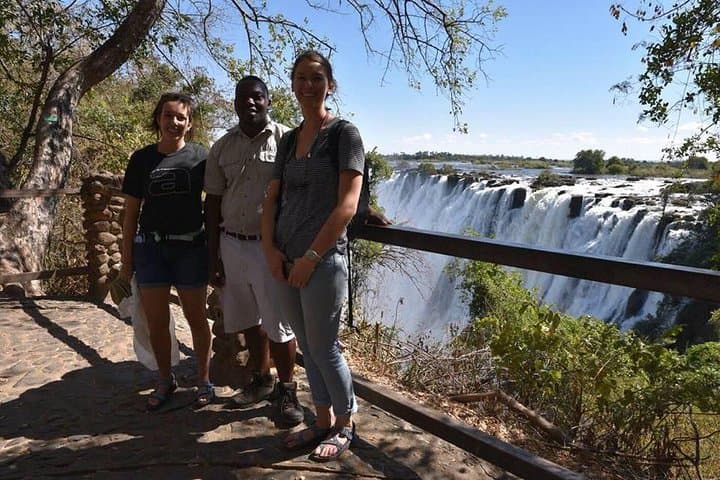

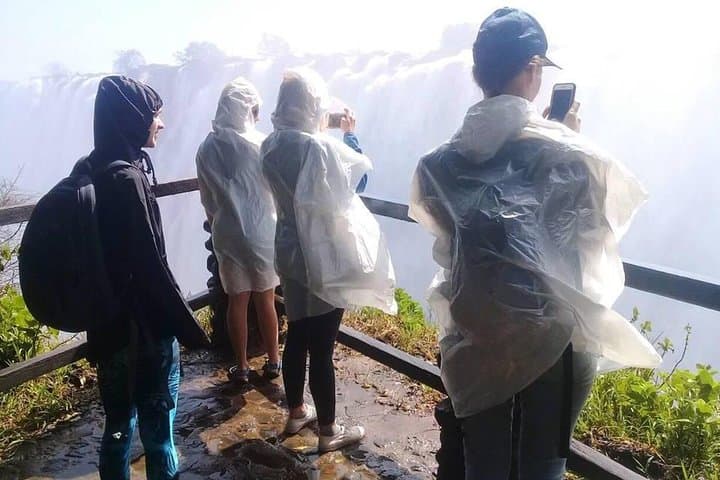
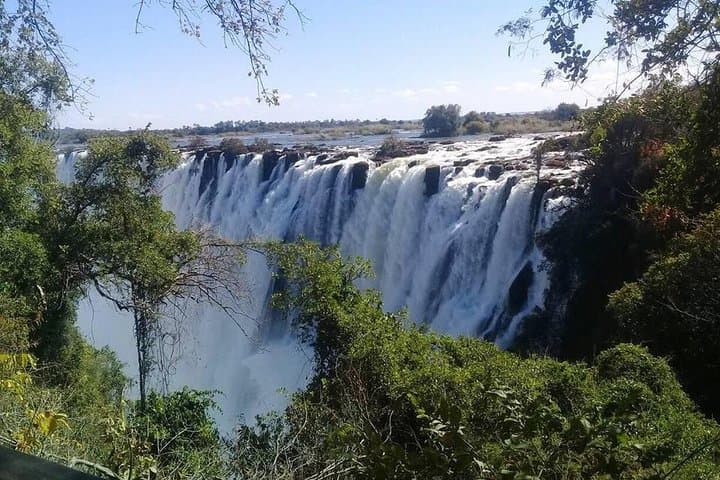
Morning light carries a fine mist as the minivan slides out of Kasane and the Zambezi begins to thicken into thunder. A short border crossing later and the road deposits you at the rim of Victoria Falls, where the river detonates over basalt and sends a plume of spray skyward — the locals call it Mosi-oa-Tunya, "the smoke that thunders."
Morning light carries a fine mist as the minivan slides out of Kasane and the Zambezi begins to thicken into thunder. A short border crossing later and the road deposits you at the rim of Victoria Falls, where the river detonates over basalt and sends a plume of spray skyward — the locals call it Mosi-oa-Tunya, "the smoke that thunders."
The falls sit where hard basalt layers fracture and the Zambezi has cut a chain of gorges across the plateau. European contact dates to David Livingstone in the mid-19th century, but Tonga and Lozi communities have long held cultural ties to the river and its seasonal rhythms. On the Zimbabwe side, fenced boardwalks thread rainforest pockets and viewpoints like Danger Point and Knife-Edge Bridge, giving close, dramatic perspectives of the curtain and downstream gorges.
This is a practical full-day outing: expect roughly an 80 km drive from Kasane each way with immigration formalities and several hours exploring the park. Paths are short but often wet and slippery; sections total roughly 1–3 km of walking between viewpoints. In the wet season the spray can drench you and obscure vistas; in the dry season rock detail and channel geometry are exposed.
Bring your passport and any required visa, sturdy non-slip shoes, a waterproof layer or dry bag for electronics, and a daypack with water and snacks. Aim for early morning or late afternoon light to avoid crowds and capture the falls at their most elemental. Respect marked trails, carry out waste, and let the sheer power of the Zambezi shape your visit.