THE ADVENTURE COLLECTIVE® · Independent discovery and booking for outdoor travel

Make the short transfer from Chobe or Kasane to stand before Victoria Falls’ thunder and mist in a single, well-paced day. This guided tour covers border formalities, a two-hour guided walk of the main viewpoints, lunch, and time to book optional activities.
Make the short transfer from Chobe or Kasane to stand before Victoria Falls’ thunder and mist in a single, well-paced day. This guided tour covers border formalities, a two-hour guided walk of the main viewpoints, lunch, and time to book optional activities.
You step off an air-conditioned minibus into a steam-laced dawn and the first roar hits you before the first view—Victoria Falls announces itself like an old friend who never spoke softly. Morning spray mists the path and the basalt cliffs glisten; palms and fever trees stand guard while guides point out the best vantage points for the falls’ raw power.
Verified experiences and guided adventures in the surrounding area.
Operated by Afro Dawn Safaris · Victoria Falls, Matabeleland North
You step off an air-conditioned minibus into a steam-laced dawn and the first roar hits you before the first view—Victoria Falls announces itself like an old friend who never spoke softly. Morning spray mists the path and the basalt cliffs glisten; palms and fever trees stand guard while guides point out the best vantage points for the falls’ raw power.
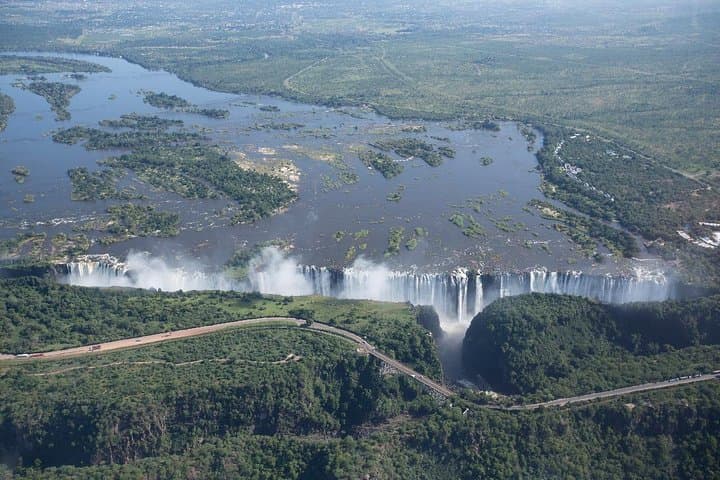
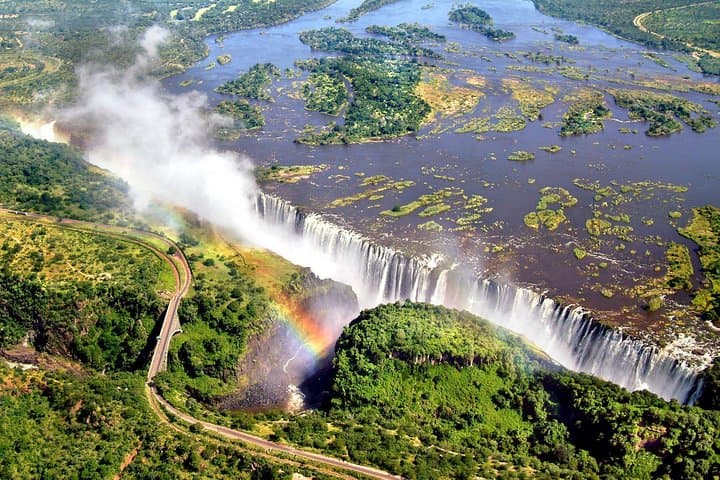
Geologically the falls sit where the Zambezi slices a basalt plateau, creating a 1.7-kilometre curtain of water and a sequence of gorges carved over millennia. David Livingstone brought the falls to European notice in 1855 and the local Lozi name, Mosi-oa-Tunya, means “the smoke that thunders,” a fitting label for the spray that rises like breath from the river.
Culture along the river is a riverine mix—fisherfolk, market stalls selling carved ebony and batiks, and small museums that explain colonial-era transport and the town’s development as a gateway for exploration and tourism.
Practical guidance: plan a 9‑hour day that includes immigration time at a busy border, a guided two-hour walk of the main viewpoints, and time for lunch in town. Carry a passport (and any required visas), waterproof camera protection, closed-toe shoes for wet, rocky paths, and a light rain layer. Expect uneven stone steps and short muddy stretches; most viewpoints are accessible but visibility varies with seasonal flow. If you want activities beyond the walking tour—helicopter flights, white-water rafting, or village visits—book those in advance. Aim for morning visits for softer light and calmer crowds; the falls’ mood can change by the hour, daring you to stay and watch.
easy.
9 hours.
Suitable for most fitness levels; involves up to 2 hours of walking on uneven, sometimes wet terrain and handling border queues.
Visa requirements depend on your nationality—check government sites ahead of travel; some nationalities can obtain visas on arrival but processing times vary.
The guided portion at Victoria Falls is typically up to two hours and covers the main viewpoints along the Zimbabwean side with short stops for photos and interpretation.
Yes—lunch at a local restaurant in Victoria Falls town is included as part of the day trip and commonly features regional dishes and safe drinking water options.
Optional activities are available but should be booked in advance when possible; timing and availability depend on the activity provider and border processing times.
Victoria Falls is historically known as Mosi-oa-Tunya and was recorded by European explorer David Livingstone in 1855; the town developed as an access point for colonial-era expeditions and later tourism.
Water flow varies seasonally and across years; stay on marked paths, avoid feeding wildlife, and support local guides and community-run conservation initiatives to minimize impact.
Afro Dawn Safaris operates guided outdoor trips and adventures with an emphasis on safety, stewardship, and memorable experiences.
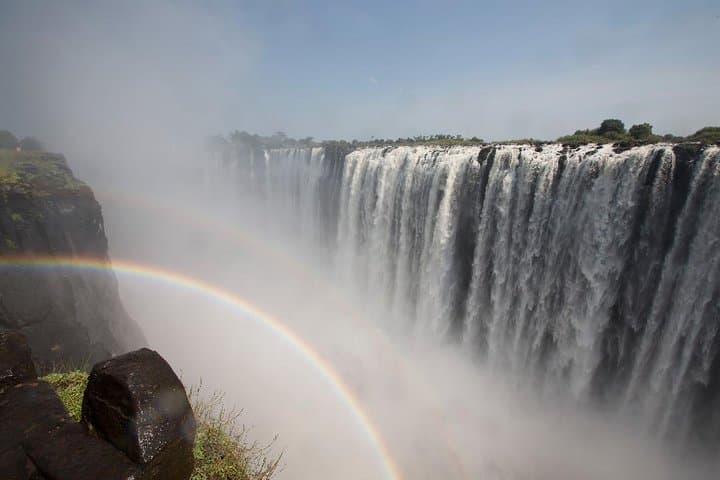
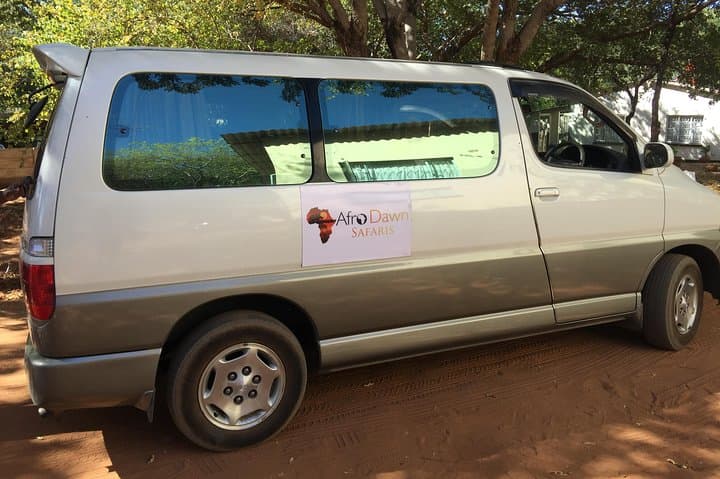
You step off an air-conditioned minibus into a steam-laced dawn and the first roar hits you before the first view—Victoria Falls announces itself like an old friend who never spoke softly. Morning spray mists the path and the basalt cliffs glisten; palms and fever trees stand guard while guides point out the best vantage points for the falls’ raw power.
You step off an air-conditioned minibus into a steam-laced dawn and the first roar hits you before the first view—Victoria Falls announces itself like an old friend who never spoke softly. Morning spray mists the path and the basalt cliffs glisten; palms and fever trees stand guard while guides point out the best vantage points for the falls’ raw power.
Geologically the falls sit where the Zambezi slices a basalt plateau, creating a 1.7-kilometre curtain of water and a sequence of gorges carved over millennia. David Livingstone brought the falls to European notice in 1855 and the local Lozi name, Mosi-oa-Tunya, means “the smoke that thunders,” a fitting label for the spray that rises like breath from the river.
Culture along the river is a riverine mix—fisherfolk, market stalls selling carved ebony and batiks, and small museums that explain colonial-era transport and the town’s development as a gateway for exploration and tourism.
Practical guidance: plan a 9‑hour day that includes immigration time at a busy border, a guided two-hour walk of the main viewpoints, and time for lunch in town. Carry a passport (and any required visas), waterproof camera protection, closed-toe shoes for wet, rocky paths, and a light rain layer. Expect uneven stone steps and short muddy stretches; most viewpoints are accessible but visibility varies with seasonal flow. If you want activities beyond the walking tour—helicopter flights, white-water rafting, or village visits—book those in advance. Aim for morning visits for softer light and calmer crowds; the falls’ mood can change by the hour, daring you to stay and watch.