THE ADVENTURE COLLECTIVE® · Independent discovery and booking for outdoor travel

Feel the spray and hear the roar on a guided day tour of Victoria Falls. Walk paved viewpoints through a rainforest, learn local history, and add helicopter or boat extras for a different perspective.
Feel the spray and hear the roar on a guided day tour of Victoria Falls. Walk paved viewpoints through a rainforest, learn local history, and add helicopter or boat extras for a different perspective.
A fine spray hangs in the air like a constant exhale as you step onto the main viewpoint at Victoria Falls. The falls roar with a force you feel in your chest; mist sweeps the paths and the rainforest surrounding the gorge clings to the rock, leaves beaded with water. Guides point out ledges and quieter viewpoints, and photographers jockey for frames where sunlight slices through the plume.
Verified experiences and guided adventures in the surrounding area.
Operated by Isa Adventures Limited · Livingstone, Southern Province
A fine spray hangs in the air like a constant exhale as you step onto the main viewpoint at Victoria Falls. The falls roar with a force you feel in your chest; mist sweeps the paths and the rainforest surrounding the gorge clings to the rock, leaves beaded with water. Guides point out ledges and quieter viewpoints, and photographers jockey for frames where sunlight slices through the plume.
Geologically the falls mark a dramatic break in the Zambezi River’s basalt plateau—water racing over fractured lava beds carved during volcanic periods millions of years ago. Culturally the site carries two names: the colonial christening by explorer David Livingstone in 1855 and the local Tonga name, Mosi-oa-Tunya, “The Smoke That Thunders.” Nearby Livingstone town grew as a gateway for visitors and still serves as the most common base for day trips.
Wildlife is part of the backdrop—monkeys and birds patrol the rainforest edge while hippos and elephants are common along the Zambezi upstream. Local guides often weave history and oral stories into their commentary, bringing geology and human history into the same narrative.
Practical guidance: plan for wet conditions—paths are paved but slippery; wear sturdy, closed-toe shoes and a lightweight rain layer. Bring a waterproof camera or protective sleeve and accept that some photos will have spray for atmosphere. Visit in the early morning or late afternoon to avoid peak crowds and catch angled light on the falls. If you want extras—helicopter flights, sunset cruises—book separately and expect seasonal availability. Respect marked trails and park staff: the gorge and pools are powerful and unpredictable.
easy.
3 hours.
Suitable for most fitness levels; requires walking on paved, sometimes slippery paths and short stair sections.
This tour lists admission as included. Confirm at booking whether national park entrance fees and local levies are covered for your ticket.
Visa requirements depend on your nationality; many visitors crossing from Zimbabwe and Zambia need visas, so check immigration rules before travel.
Some paved viewpoints are accessible, but many paths include stairs and slippery sections; contact the operator for specific accessibility support.
Yes—helicopter flights and Zambezi boat cruises are common optional extras but are booked separately and may have seasonal availability and additional costs.
David Livingstone publicized the falls in 1855; the local Tonga people call it Mosi-oa-Tunya, meaning 'The Smoke That Thunders.'
Victoria Falls sits in protected national parks on both sides of the border; stick to paths, avoid feeding wildlife, and use refillable bottles to reduce plastic waste.
Isa Adventures Limited operates guided outdoor trips and adventures with an emphasis on safety, stewardship, and memorable experiences.
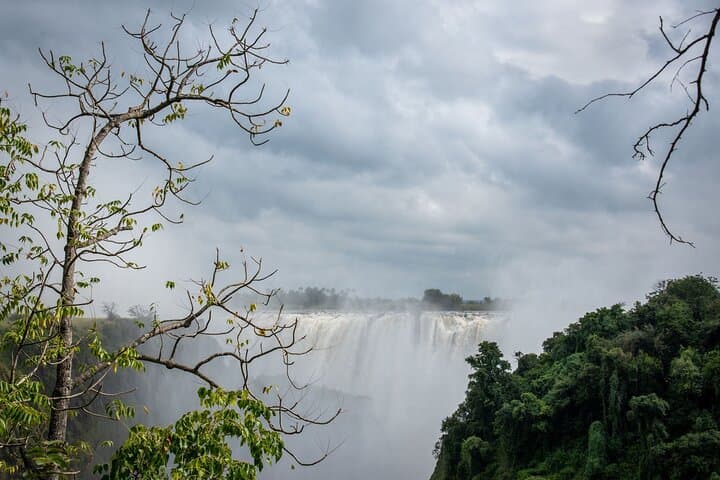
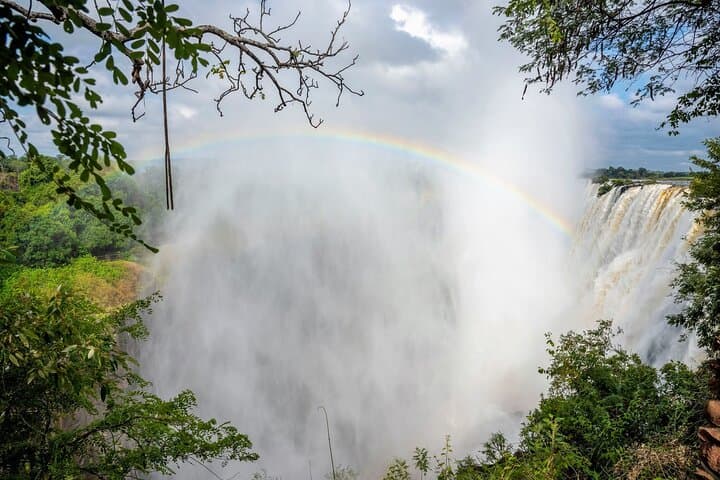
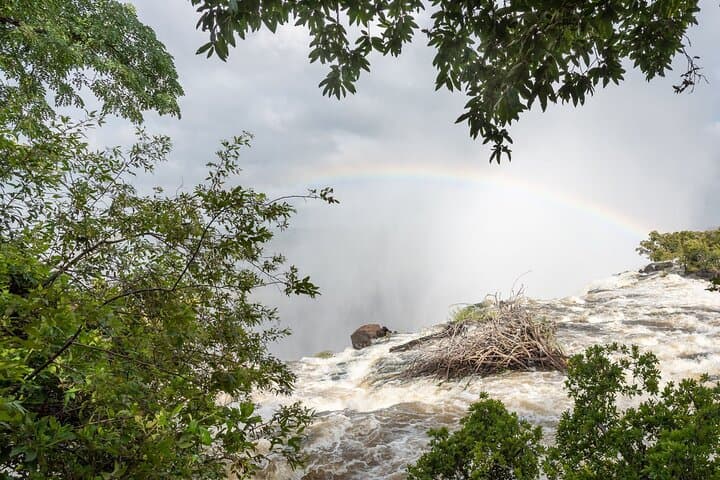
A fine spray hangs in the air like a constant exhale as you step onto the main viewpoint at Victoria Falls. The falls roar with a force you feel in your chest; mist sweeps the paths and the rainforest surrounding the gorge clings to the rock, leaves beaded with water. Guides point out ledges and quieter viewpoints, and photographers jockey for frames where sunlight slices through the plume.
A fine spray hangs in the air like a constant exhale as you step onto the main viewpoint at Victoria Falls. The falls roar with a force you feel in your chest; mist sweeps the paths and the rainforest surrounding the gorge clings to the rock, leaves beaded with water. Guides point out ledges and quieter viewpoints, and photographers jockey for frames where sunlight slices through the plume.
Geologically the falls mark a dramatic break in the Zambezi River’s basalt plateau—water racing over fractured lava beds carved during volcanic periods millions of years ago. Culturally the site carries two names: the colonial christening by explorer David Livingstone in 1855 and the local Tonga name, Mosi-oa-Tunya, “The Smoke That Thunders.” Nearby Livingstone town grew as a gateway for visitors and still serves as the most common base for day trips.
Wildlife is part of the backdrop—monkeys and birds patrol the rainforest edge while hippos and elephants are common along the Zambezi upstream. Local guides often weave history and oral stories into their commentary, bringing geology and human history into the same narrative.
Practical guidance: plan for wet conditions—paths are paved but slippery; wear sturdy, closed-toe shoes and a lightweight rain layer. Bring a waterproof camera or protective sleeve and accept that some photos will have spray for atmosphere. Visit in the early morning or late afternoon to avoid peak crowds and catch angled light on the falls. If you want extras—helicopter flights, sunset cruises—book separately and expect seasonal availability. Respect marked trails and park staff: the gorge and pools are powerful and unpredictable.