THE ADVENTURE COLLECTIVE® · Independent discovery and booking for outdoor travel

Walk beneath the steel arch where the Zambezi forces the Batoka Gorge into a white roar and history rests on rivets. This guided tour pairs close-up views of Victoria Falls with century-old engineering stories and practical tips for the half-day visit.
Walk beneath the steel arch where the Zambezi forces the Batoka Gorge into a white roar and history rests on rivets. This guided tour pairs close-up views of Victoria Falls with century-old engineering stories and practical tips for the half-day visit.
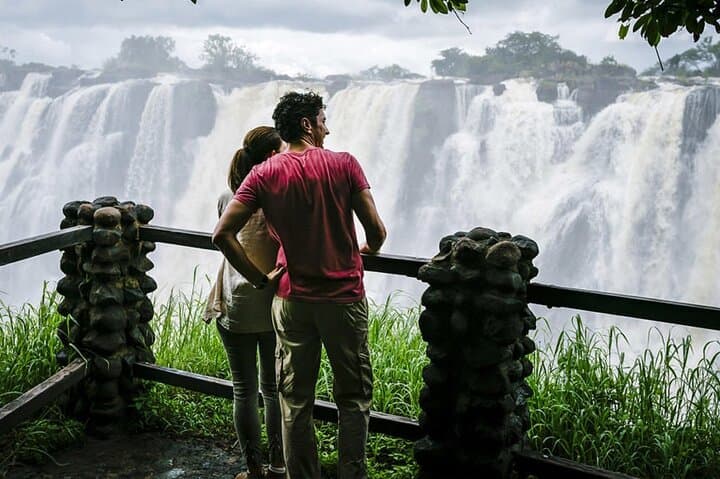
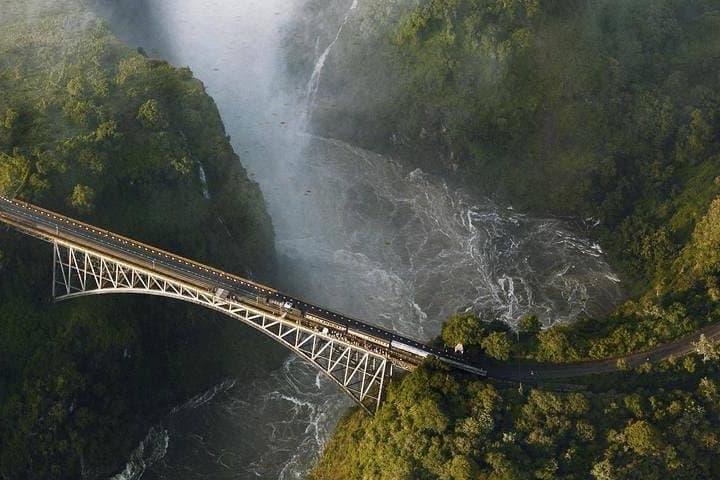
You step onto iron and rivets that have watched the Zambezi for a century: wind off the falls tugs at your jacket, spray throws prisms across the steel, and below the bridge the river hurries and dares you with thundering rapids. The Victoria Falls Bridge Tour threads visitors along walkways under and beside the arch, bringing the falls’ raw power into engineering-scale perspective.
Verified experiences and guided adventures in the surrounding area.
Operated by ThisAndThat Safaris · Victoria Falls, Matabeleland North
You step onto iron and rivets that have watched the Zambezi for a century: wind off the falls tugs at your jacket, spray throws prisms across the steel, and below the bridge the river hurries and dares you with thundering rapids. The Victoria Falls Bridge Tour threads visitors along walkways under and beside the arch, bringing the falls’ raw power into engineering-scale perspective.
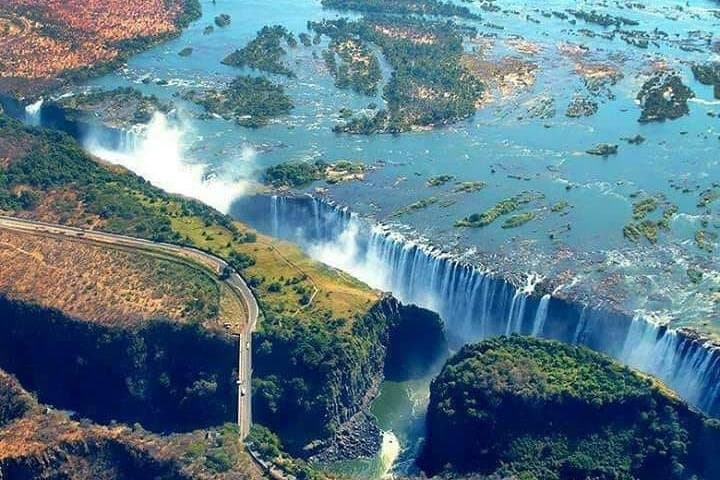
Built in 1905 as part of the Cape-to-Cairo ambition, the bridge is an emblem of colonial-era industry and the logistical boldness of its engineers. The arch spans the Batoka Gorge where basalt cliffs meet the river—geology that carved a narrow corridor ideal for a steel crossing. Culturally, the bridge marks a literal border between Zimbabwe and Zambia and sits amid local stories tied to trade, railways, and the colonial period.
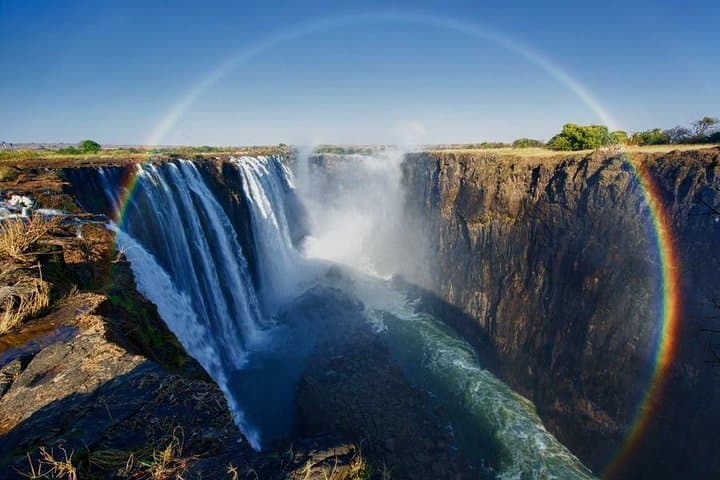
Expect clear interpretation from guides: historical anecdotes, structural details, and close views of the gorge and bungee jump platform. The tour highlights vantage points for rainbows in the mist and quieter corners where the roar of the falls is a low, constant drum.
Practical guidance: wear sturdy closed-toe shoes and a windproof layer; mornings bring softer light and fewer crowds. Photography is excellent from the lower walkways but watch for spray on lenses. The route involves stairs and narrow platforms around the bridge—those with balance issues should take care. Book ahead for small-group times and allow 2–3 hours including transfers and briefings. The experience blends a compact dose of natural spectacle with tangible engineering history—an accessible, informative half-day that puts you literally between two nations and a century of stories.
easy.
2–3 hours.
Suitable for all fitness levels; involves short walks, stairs and standing on viewing platforms.
The tour runs about 2–3 hours including guided walkways, history talks, and time for photos; transfers may extend total time.
Yes—it's rated suitable for all fitness levels, though the route includes stairs and narrow sections; supervisors should watch young children.
The historical tour stays on one side for viewing and interpretation; you will not cross international borders as part of this tour, but bring ID as requested by the operator.
Yes—the tour provides vantage points to view the bungee platform and Batoka Gorge rapids from the bridge walkways, but participation in activities like bungee jumping is booked separately.
Completed in 1905, the steel arch bridge was built during the colonial push for a Cape-to-Cairo rail link and stands as a prominent example of early 20th-century engineering in southern Africa.
Victoria Falls and surrounding parks are managed to protect riverine habitats and wildlife; visitors are asked to stick to paths, avoid feeding animals, and minimize noise and litter.
ThisAndThat Safaris operates guided outdoor trips and adventures with an emphasis on safety, stewardship, and memorable experiences.
You step onto iron and rivets that have watched the Zambezi for a century: wind off the falls tugs at your jacket, spray throws prisms across the steel, and below the bridge the river hurries and dares you with thundering rapids. The Victoria Falls Bridge Tour threads visitors along walkways under and beside the arch, bringing the falls’ raw power into engineering-scale perspective.
You step onto iron and rivets that have watched the Zambezi for a century: wind off the falls tugs at your jacket, spray throws prisms across the steel, and below the bridge the river hurries and dares you with thundering rapids. The Victoria Falls Bridge Tour threads visitors along walkways under and beside the arch, bringing the falls’ raw power into engineering-scale perspective.
Built in 1905 as part of the Cape-to-Cairo ambition, the bridge is an emblem of colonial-era industry and the logistical boldness of its engineers. The arch spans the Batoka Gorge where basalt cliffs meet the river—geology that carved a narrow corridor ideal for a steel crossing. Culturally, the bridge marks a literal border between Zimbabwe and Zambia and sits amid local stories tied to trade, railways, and the colonial period.
Expect clear interpretation from guides: historical anecdotes, structural details, and close views of the gorge and bungee jump platform. The tour highlights vantage points for rainbows in the mist and quieter corners where the roar of the falls is a low, constant drum.
Practical guidance: wear sturdy closed-toe shoes and a windproof layer; mornings bring softer light and fewer crowds. Photography is excellent from the lower walkways but watch for spray on lenses. The route involves stairs and narrow platforms around the bridge—those with balance issues should take care. Book ahead for small-group times and allow 2–3 hours including transfers and briefings. The experience blends a compact dose of natural spectacle with tangible engineering history—an accessible, informative half-day that puts you literally between two nations and a century of stories.