THE ADVENTURE COLLECTIVE® · Independent discovery and booking for outdoor travel

Five days of big-water rafting through Batoka Canyon on the Zambezi, beginning with a swim below Victoria Falls and continuing past class 4–5 rapids, beach camps, and dramatic basalt walls. Expect long paddling days, portages, and close wildlife encounters.
Five days of big-water rafting through Batoka Canyon on the Zambezi, beginning with a swim below Victoria Falls and continuing past class 4–5 rapids, beach camps, and dramatic basalt walls. Expect long paddling days, portages, and close wildlife encounters.
The canyon walls close in with a low, basalt roar as your raft slips into the Zambezi’s current, and the smell of wood smoke from the last campfire lingers on your jacket. Early on the first morning you’ll swim beneath the thunder of Victoria Falls, then launch straight into a sequence of class 4 and 5 rapids that define Batoka Canyon—Morning Glory, Stairway to Heaven and the Devil’s Toilet Bowl among them.
Verified experiences and guided adventures in the surrounding area.
Operated by SHOCKWAVE ADVENTURES · Victoria Falls, Matabeleland North
The canyon walls close in with a low, basalt roar as your raft slips into the Zambezi’s current, and the smell of wood smoke from the last campfire lingers on your jacket. Early on the first morning you’ll swim beneath the thunder of Victoria Falls, then launch straight into a sequence of class 4 and 5 rapids that define Batoka Canyon—Morning Glory, Stairway to Heaven and the Devil’s Toilet Bowl among them.
This stretch of river has been carving the Batoka Gorge for millions of years; the volcanic basalt and columnar joints create the tight chutes and powerful hydraulics that make the Zambezi world-renowned for big-water rafting. Local Tonga communities have lived along these banks for generations, and the river remains a working artery for wildlife: hippos at dawn, crocodiles on sunlit sandbars, and Egyptian geese in the shallows.
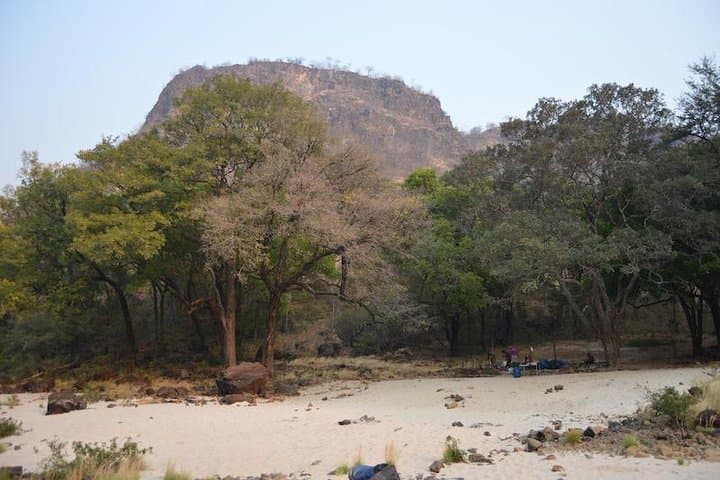
Practically, expect five days of roughly 130 km of river travel, averaging about 30 km per day, with three to four major portages around impassable falls. Nights are spent on sandy beach camps under tents with communal meals and debriefs; guides provide safety briefings, helmets, PFDs and instruction. Fitness should be moderate—days are long and paddling is intermittent but intense—and a confident swimmer is required.
Plan for strong sun, variable flows depending on season, and basic wilderness comforts rather than luxuries. Leave-no-trace camping, careful food storage, and following guide instructions keep both guests and the fragile canyon ecosystem safe. For those who want big water, close-up geology and uninterrupted river days, this is an uncompromising and unforgettable Zambezi adventure.
challenging.
5 days.
Moderate to strong cardiovascular fitness; able to paddle, hike short portages, and camp for consecutive nights
Minimum age is 12; travelers should have at least moderate fitness and be comfortable swimming and following guide instructions.
Yes—professional guides provide helmets, PFDs, safety briefings and river instruction; personal gear like shoes and layers are your responsibility.
The trip runs many class 4 and 5 rapids; prior rafting experience is helpful but not strictly required—guides coach teams through each rapid and lead in rescue procedures.
The dry winter months (June–August) are the most stable for consistent big rapids and comfortable camping; high water after rains can be more extreme and sometimes restrict sections.
The Batoka Gorge is carved from ancient basalt flows; European explorers named Victoria Falls in 1855 but the river has long been central to Tonga culture and livelihoods.
Operators follow strict camp and waste protocols; water levels are affected by upstream dams and climate variability, so minimizing impact and supporting local conservation initiatives helps protect the river.
SHOCKWAVE ADVENTURES operates guided outdoor trips and adventures with an emphasis on safety, stewardship, and memorable experiences.
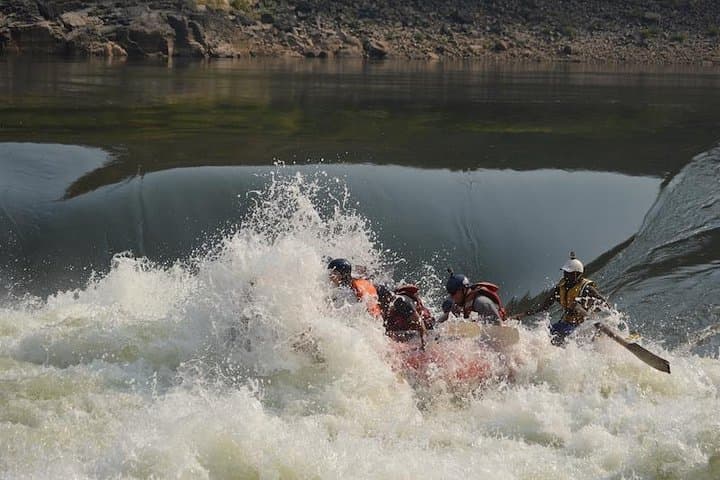


The canyon walls close in with a low, basalt roar as your raft slips into the Zambezi’s current, and the smell of wood smoke from the last campfire lingers on your jacket. Early on the first morning you’ll swim beneath the thunder of Victoria Falls, then launch straight into a sequence of class 4 and 5 rapids that define Batoka Canyon—Morning Glory, Stairway to Heaven and the Devil’s Toilet Bowl among them.
The canyon walls close in with a low, basalt roar as your raft slips into the Zambezi’s current, and the smell of wood smoke from the last campfire lingers on your jacket. Early on the first morning you’ll swim beneath the thunder of Victoria Falls, then launch straight into a sequence of class 4 and 5 rapids that define Batoka Canyon—Morning Glory, Stairway to Heaven and the Devil’s Toilet Bowl among them.
This stretch of river has been carving the Batoka Gorge for millions of years; the volcanic basalt and columnar joints create the tight chutes and powerful hydraulics that make the Zambezi world-renowned for big-water rafting. Local Tonga communities have lived along these banks for generations, and the river remains a working artery for wildlife: hippos at dawn, crocodiles on sunlit sandbars, and Egyptian geese in the shallows.
Practically, expect five days of roughly 130 km of river travel, averaging about 30 km per day, with three to four major portages around impassable falls. Nights are spent on sandy beach camps under tents with communal meals and debriefs; guides provide safety briefings, helmets, PFDs and instruction. Fitness should be moderate—days are long and paddling is intermittent but intense—and a confident swimmer is required.
Plan for strong sun, variable flows depending on season, and basic wilderness comforts rather than luxuries. Leave-no-trace camping, careful food storage, and following guide instructions keep both guests and the fragile canyon ecosystem safe. For those who want big water, close-up geology and uninterrupted river days, this is an uncompromising and unforgettable Zambezi adventure.