THE ADVENTURE COLLECTIVE® · Independent discovery and booking for outdoor travel

Stand on the Zambian edge of Victoria Falls to feel mist-driven thunder and walk rainforest trails that peer over a 108 m gorge. This 1-day experience balances dramatic viewpoints with practical logistics for seeing one of the world’s great waterfalls.
Stand on the Zambian edge of Victoria Falls to feel mist-driven thunder and walk rainforest trails that peer over a 108 m gorge. This 1-day experience balances dramatic viewpoints with practical logistics for seeing one of the world’s great waterfalls.
You step onto the Zambian viewpoint and the Zambezi throws its voice over the cliff — a thunder that you feel as much as hear. Mist lifts in curtains, spray sears the air with cool droplets, and the gorge below chisels a ribbon of white through black basalt.
Verified experiences and guided adventures in the surrounding area.
Operated by Holiday Africa Safaris · Livingstone, Southern Province
You step onto the Zambian viewpoint and the Zambezi throws its voice over the cliff — a thunder that you feel as much as hear. Mist lifts in curtains, spray sears the air with cool droplets, and the gorge below chisels a ribbon of white through black basalt.
The Zambian side of Victoria Falls gives immediate, intimate access: a compact network of rainforest trails and lookouts that together span roughly 2–3 km of walking with minimal elevation gain, while the gorge itself plunges about 108 meters. Geologically the falls sit where the Zambezi crosses a fractured basalt plateau; water exploits joints in that ancient lava to carve the famous cataract and the deeper Batoka Gorge downstream.
David Livingstone brought European attention to the site in 1855, and local Tonga communities long knew the river as a force shaping life and legend. Today Livingstone town serves as the practical gateway — markets, guides, and cultural centers offer a taste of regional crafts and history between viewpoints.
Practically: expect heavy spray — waterproof layers and quick-dry clothing are essential. Trails are compact but can be slippery; plan 3–5 hours to include transport, viewpoints, and a short rainforest loop. Peak river flow follows the rainy season (roughly March–June), while lower water makes activities like Devil’s Pool or close-edge swims possible in drier months. If your itinerary includes extras (helicopter flights or Devil’s Pool), check seasonal availability and safety briefings.
Bring local currency for park fees and small purchases, protect cameras from moisture, and allow time for immigration if crossing to the Zimbabwe side. The falls demand respect: they reward patience with one of the planet’s most immediate, elemental displays of flowing power.
easy.
5 hours.
Suitable for most fitness levels; requires short walks on uneven, often wet trails
Yes — the Zambian viewpoint trails are short and accessible, but infants must sit on laps and you should supervise children closely near wet, slippery edges.
Devil’s Pool is season-dependent and typically available in drier months; confirm with the operator ahead of time and follow all safety briefings if included.
Visa requirements vary by nationality — check your government’s travel guidance and allow extra time if your itinerary crosses into Zimbabwe for additional viewpoints.
Guides are not required for the main Zambian viewpoint circuit, but guided options add context, safe access to lesser-known lookouts, and help with logistics like transfers.
European explorer David Livingstone publicized the falls in 1855, but the area holds long-standing significance for Tonga communities along the Zambezi.
The falls sit within protected parkland; visitors should stick to marked paths, avoid littering, and support locally run concessions to reduce environmental impact.
Holiday Africa Safaris operates guided outdoor trips and adventures with an emphasis on safety, stewardship, and memorable experiences.
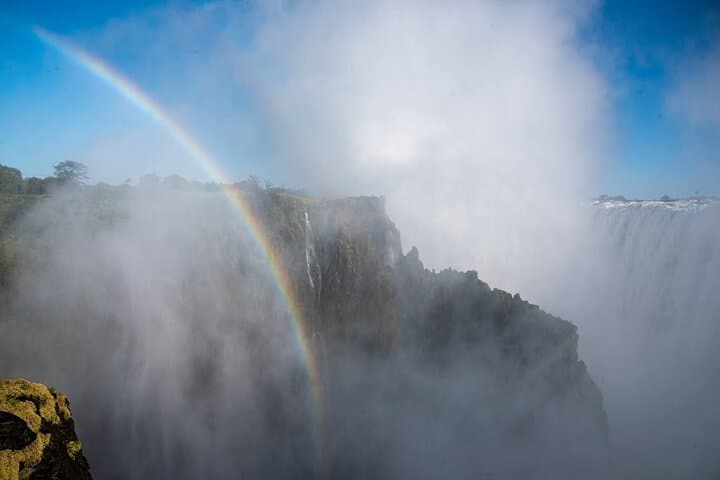
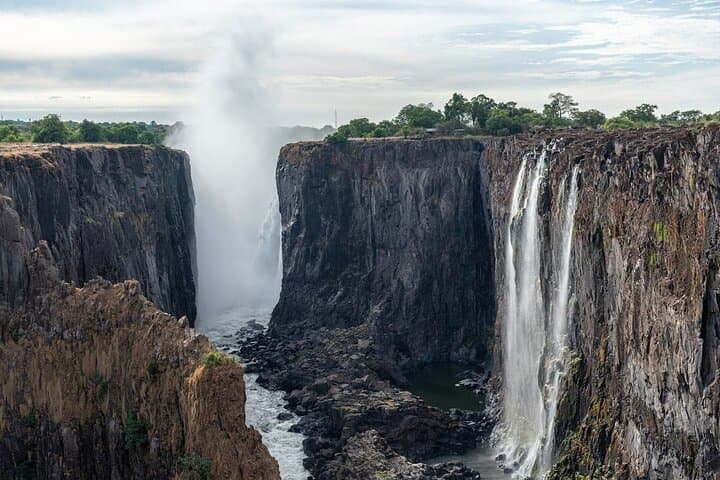
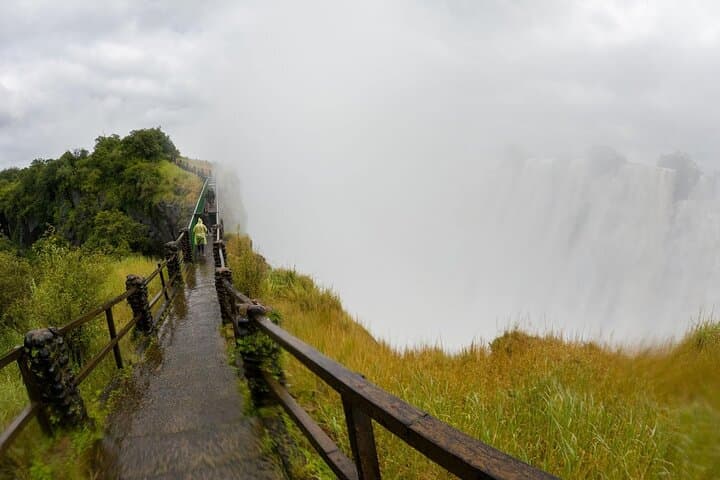
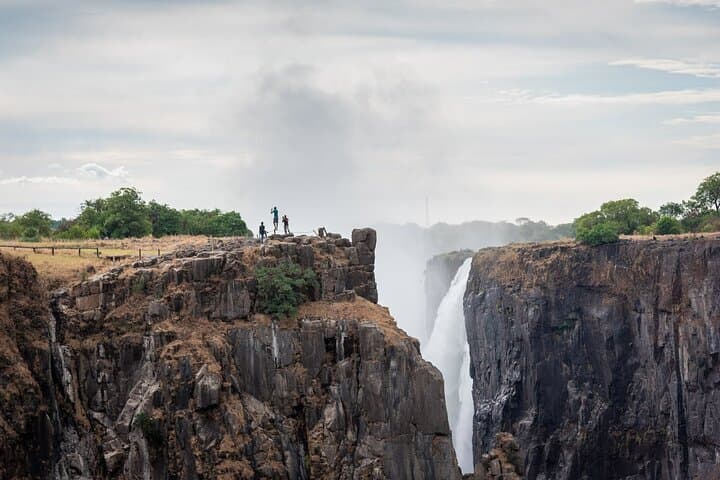
You step onto the Zambian viewpoint and the Zambezi throws its voice over the cliff — a thunder that you feel as much as hear. Mist lifts in curtains, spray sears the air with cool droplets, and the gorge below chisels a ribbon of white through black basalt.
You step onto the Zambian viewpoint and the Zambezi throws its voice over the cliff — a thunder that you feel as much as hear. Mist lifts in curtains, spray sears the air with cool droplets, and the gorge below chisels a ribbon of white through black basalt.
The Zambian side of Victoria Falls gives immediate, intimate access: a compact network of rainforest trails and lookouts that together span roughly 2–3 km of walking with minimal elevation gain, while the gorge itself plunges about 108 meters. Geologically the falls sit where the Zambezi crosses a fractured basalt plateau; water exploits joints in that ancient lava to carve the famous cataract and the deeper Batoka Gorge downstream.
David Livingstone brought European attention to the site in 1855, and local Tonga communities long knew the river as a force shaping life and legend. Today Livingstone town serves as the practical gateway — markets, guides, and cultural centers offer a taste of regional crafts and history between viewpoints.
Practically: expect heavy spray — waterproof layers and quick-dry clothing are essential. Trails are compact but can be slippery; plan 3–5 hours to include transport, viewpoints, and a short rainforest loop. Peak river flow follows the rainy season (roughly March–June), while lower water makes activities like Devil’s Pool or close-edge swims possible in drier months. If your itinerary includes extras (helicopter flights or Devil’s Pool), check seasonal availability and safety briefings.
Bring local currency for park fees and small purchases, protect cameras from moisture, and allow time for immigration if crossing to the Zimbabwe side. The falls demand respect: they reward patience with one of the planet’s most immediate, elemental displays of flowing power.