THE ADVENTURE COLLECTIVE® · Independent discovery and booking for outdoor travel

Explore the V&A in South Kensington with a focused highlights tour—Raphael paintings, samurai swords, decorative arts, and the Cast Courts all under one roof. Practical tips on timing, accessibility, and what to prioritize during a 2–3 hour visit.
Explore the V&A in South Kensington with a focused highlights tour—Raphael paintings, samurai swords, decorative arts, and the Cast Courts all under one roof. Practical tips on timing, accessibility, and what to prioritize during a 2–3 hour visit.
You step through the V&A's Victorian entrance and the building exhales history—stone staircases leading toward rooms that collect centuries of human craft. Light falls on lacquer ware from Japan and swords that seem to keep their silence across four hundred years; a Raphael painting draws the eye with the same gravity as a cast court of marble that dares you to walk its scale.
Verified experiences and guided adventures in the surrounding area.
Operated by Anthony Matthews · London, England
You step through the V&A's Victorian entrance and the building exhales history—stone staircases leading toward rooms that collect centuries of human craft. Light falls on lacquer ware from Japan and swords that seem to keep their silence across four hundred years; a Raphael painting draws the eye with the same gravity as a cast court of marble that dares you to walk its scale.
Founded in the mid-19th century to advance art and design, the Victoria and Albert Museum houses decorative arts from around the globe. Galleries trace shifting tastes: Renaissance paintings, Canova statuary, 17th–21st century fashion, and an encyclopedic Asian collection sit under one roof. The Cast Courts preserve monumental plaster copies; the John Madejski Garden offers a quiet pause behind the galleries.
Expect a mix of close-looking and slow walking. The layout rewards thematic wandering—start with the European sculpture and ceramics, then cross into Asian lacquer and samurai arms for contrast. The museum maintains active conservation studios; many objects are fragile, so signs or rope lines dictate viewing distance.
Practical guidance: allow roughly 2–3 hours for a highlights tour, wear supportive shoes for stone floors, and bring a lightweight layer—the gallery climate is controlled and cool year-round. Photography is generally allowed without flash, but restricted in some rooms. If mobility is a concern, the V&A offers full wheelchair access and lifts; there are also toilets, a cloakroom, and cafés. Book a guided visit or arrive early to avoid crowds and make time for the quieter corners—those details often make the visit feel like discovery rather than a checklist.
easy.
2–3 hours.
Light walking and standing; suitable for most fitness levels but bring a small break for seating.
Yes — this private highlights tour includes admission to the V&A as stated in the itinerary.
Yes — the V&A provides step-free access, lifts, and wheelchair-accessible routes through major galleries.
Generally yes without flash, but certain objects or temporary exhibitions restrict photography—follow posted rules and guide instructions.
Plan 2–3 hours to see major works without rushing; allow extra time if you want to visit the Cast Courts or the garden café.
Opened from collections assembled in the mid-19th century, the V&A was established to educate designers and the public; it bears the names of Queen Victoria and Prince Albert and grew from the South Kensington museums movement.
The museum operates in-house conservation and research studios to care for fragile objects and encourages visitors to observe without touching to protect collections.
Anthony Matthews operates guided outdoor trips and adventures with an emphasis on safety, stewardship, and memorable experiences.
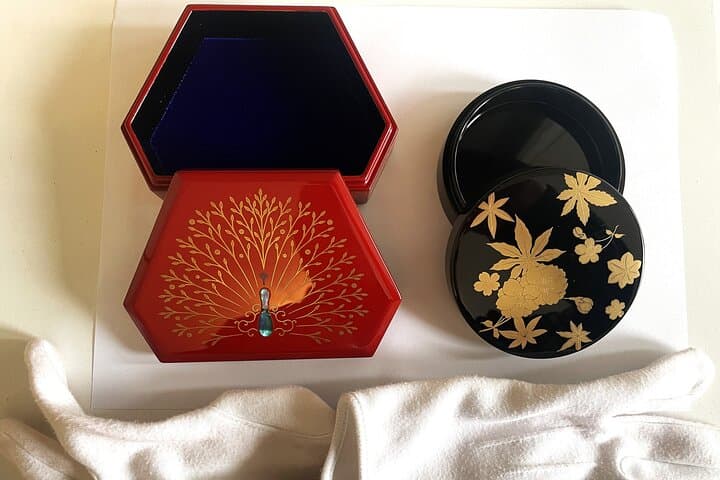
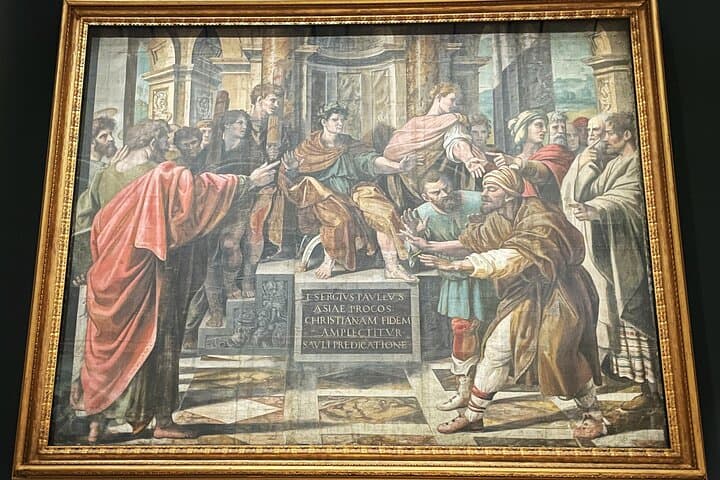
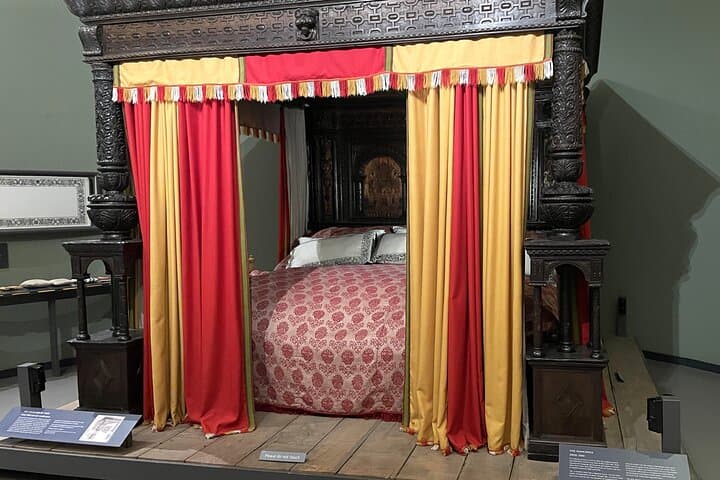

You step through the V&A's Victorian entrance and the building exhales history—stone staircases leading toward rooms that collect centuries of human craft. Light falls on lacquer ware from Japan and swords that seem to keep their silence across four hundred years; a Raphael painting draws the eye with the same gravity as a cast court of marble that dares you to walk its scale.
You step through the V&A's Victorian entrance and the building exhales history—stone staircases leading toward rooms that collect centuries of human craft. Light falls on lacquer ware from Japan and swords that seem to keep their silence across four hundred years; a Raphael painting draws the eye with the same gravity as a cast court of marble that dares you to walk its scale.
Founded in the mid-19th century to advance art and design, the Victoria and Albert Museum houses decorative arts from around the globe. Galleries trace shifting tastes: Renaissance paintings, Canova statuary, 17th–21st century fashion, and an encyclopedic Asian collection sit under one roof. The Cast Courts preserve monumental plaster copies; the John Madejski Garden offers a quiet pause behind the galleries.
Expect a mix of close-looking and slow walking. The layout rewards thematic wandering—start with the European sculpture and ceramics, then cross into Asian lacquer and samurai arms for contrast. The museum maintains active conservation studios; many objects are fragile, so signs or rope lines dictate viewing distance.
Practical guidance: allow roughly 2–3 hours for a highlights tour, wear supportive shoes for stone floors, and bring a lightweight layer—the gallery climate is controlled and cool year-round. Photography is generally allowed without flash, but restricted in some rooms. If mobility is a concern, the V&A offers full wheelchair access and lifts; there are also toilets, a cloakroom, and cafés. Book a guided visit or arrive early to avoid crowds and make time for the quieter corners—those details often make the visit feel like discovery rather than a checklist.