THE ADVENTURE COLLECTIVE® · Independent discovery and booking for outdoor travel

Climb steel rungs and clip into safety cables above the Piva River on a guide-led via ferrata that finishes beneath the 165 m Mratinje bridge. Two hours of exposed climbing, geology briefs and photo stops make this a compact, adrenaline-charged canyon experience.
Climb steel rungs and clip into safety cables above the Piva River on a guide-led via ferrata that finishes beneath the 165 m Mratinje bridge. Two hours of exposed climbing, geology briefs and photo stops make this a compact, adrenaline-charged canyon experience.
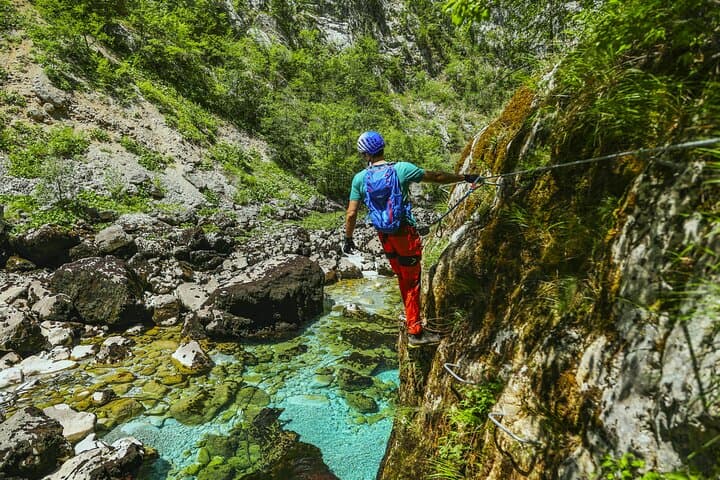
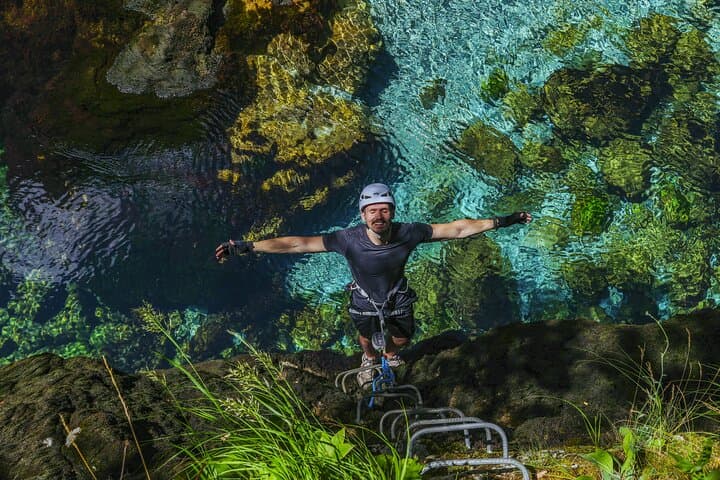
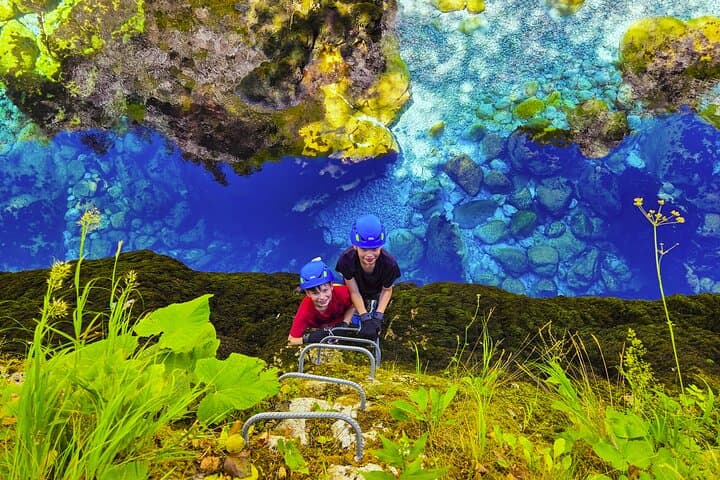
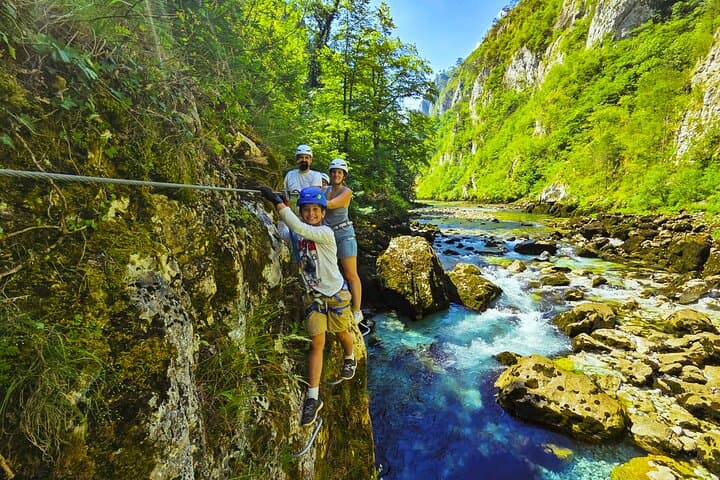
You step off the gravel parking lot, the Piva River roaring below and a sheer wall of limestone rising like a challenge. The guide fits your harness, hands you a Petzl ferrata set and gloves, and points to a steel ladder that disappears above the river’s ribbon. For the next two hours you move on cables, iron rungs and narrow ledges—first traversing over the water, then climbing vertical walls beneath the concrete sweep of the Mratinje bridge, 165 meters overhead.
Verified experiences and guided adventures in the surrounding area.
Operated by Ferrata Montenegro – Piva Canyon Adventure · Plužine, Nikšić Municipality
You step off the gravel parking lot, the Piva River roaring below and a sheer wall of limestone rising like a challenge. The guide fits your harness, hands you a Petzl ferrata set and gloves, and points to a steel ladder that disappears above the river’s ribbon. For the next two hours you move on cables, iron rungs and narrow ledges—first traversing over the water, then climbing vertical walls beneath the concrete sweep of the Mratinje bridge, 165 meters overhead.
This route threads modern climbing hardware through a canyon carved by millennia of glacial and river erosion. The Piva region is defined by karst limestone, exposed cliffs and the engineered interruption of the 20th-century Mratinje dam and bridge; nearby, the historic Piva Monastery was relocated stone-by-stone when the reservoir was created. Local guides combine safety instruction with context: geology, endemic plants clinging to cracks, and the human history of hydropower and relocated villages.
Expect narrow exposures, short vertical pitches fixed with steel steps and suspension spans that focus the senses. The guide-led format suits climbers new to ferrata as well as seasoned hikers seeking technical exposure without multi-pitch rope systems.
Practical guidance: arrive with sturdy footwear and a light daypack, be able to walk uneven ground and manage sustained exposure for 2 hours. Bring 1–2 liters of water, a windproof layer and sunscreen; check weather because operations close in poor conditions. The exchange of instruction, fixed protection and dramatic viewpoints make this a compact, high-adrenaline way to experience Montenegro’s canyon country.
challenging.
2 hours.
Comfortable cardiovascular fitness and no severe fear of heights; able to climb fixed ladders and stand on exposed ledges for extended periods.
No prior technical climbing is required—guides give a full safety briefing and teach via ferrata clipping and movement, but participants should be comfortable with exposure and basic fitness.
Age and weight guidelines vary; you’ll be asked for height and weight at booking to ensure harness fit—confirm specific limits with the operator when reserving.
No—operators cancel in heavy rain, high winds or lightning for safety. The route becomes slippery and exposure increases risk in bad weather.
Yes—guides include scheduled photo stops and may provide professional images as part of the activity or offer them for purchase; check the tour details on booking.
The Piva area was reshaped by hydropower development in the mid-20th century; the Mratinje dam created Lake Piva and required relocation of cultural sites like the Piva Monastery.
The karst cliffs are sensitive—stay on fixed routes, avoid chalking holds, and pack out trash; local operators monitor group size to limit erosion and disturbance.
Ferrata Montenegro – Piva Canyon Adventure operates guided outdoor trips and adventures with an emphasis on safety, stewardship, and memorable experiences.
You step off the gravel parking lot, the Piva River roaring below and a sheer wall of limestone rising like a challenge. The guide fits your harness, hands you a Petzl ferrata set and gloves, and points to a steel ladder that disappears above the river’s ribbon. For the next two hours you move on cables, iron rungs and narrow ledges—first traversing over the water, then climbing vertical walls beneath the concrete sweep of the Mratinje bridge, 165 meters overhead.
You step off the gravel parking lot, the Piva River roaring below and a sheer wall of limestone rising like a challenge. The guide fits your harness, hands you a Petzl ferrata set and gloves, and points to a steel ladder that disappears above the river’s ribbon. For the next two hours you move on cables, iron rungs and narrow ledges—first traversing over the water, then climbing vertical walls beneath the concrete sweep of the Mratinje bridge, 165 meters overhead.
This route threads modern climbing hardware through a canyon carved by millennia of glacial and river erosion. The Piva region is defined by karst limestone, exposed cliffs and the engineered interruption of the 20th-century Mratinje dam and bridge; nearby, the historic Piva Monastery was relocated stone-by-stone when the reservoir was created. Local guides combine safety instruction with context: geology, endemic plants clinging to cracks, and the human history of hydropower and relocated villages.
Expect narrow exposures, short vertical pitches fixed with steel steps and suspension spans that focus the senses. The guide-led format suits climbers new to ferrata as well as seasoned hikers seeking technical exposure without multi-pitch rope systems.
Practical guidance: arrive with sturdy footwear and a light daypack, be able to walk uneven ground and manage sustained exposure for 2 hours. Bring 1–2 liters of water, a windproof layer and sunscreen; check weather because operations close in poor conditions. The exchange of instruction, fixed protection and dramatic viewpoints make this a compact, high-adrenaline way to experience Montenegro’s canyon country.