THE ADVENTURE COLLECTIVE® · Independent discovery and booking for outdoor travel

Climb a historic via ferrata to the summit of Peña de Bernal—one of the world’s largest monoliths. This guided day trip pairs a steep approach trail with protected, exposed climbing and panoramic summit views.
Climb a historic via ferrata to the summit of Peña de Bernal—one of the world’s largest monoliths. This guided day trip pairs a steep approach trail with protected, exposed climbing and panoramic summit views.
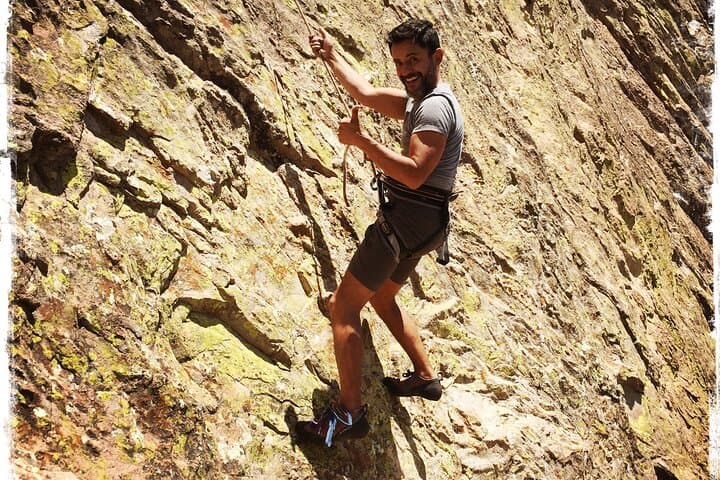
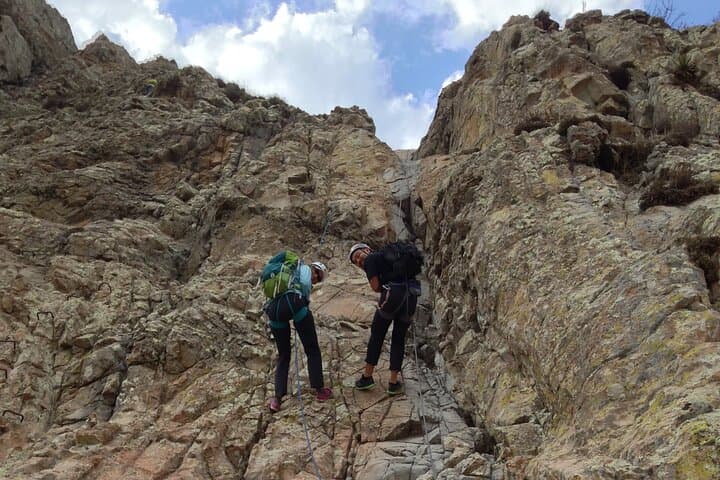
You reach the tourist trail as light slants across the rock face; the monolith looms—vertical, textured, and daring you upward. Guides sort ropes and harnesses while wind threads through fissures. The climb begins with a hike up the tourist trail, a compacted dirt approach that gives way to iron rungs and a fixed cable where hands and feet negotiate exposure.
Verified experiences and guided adventures in the surrounding area.
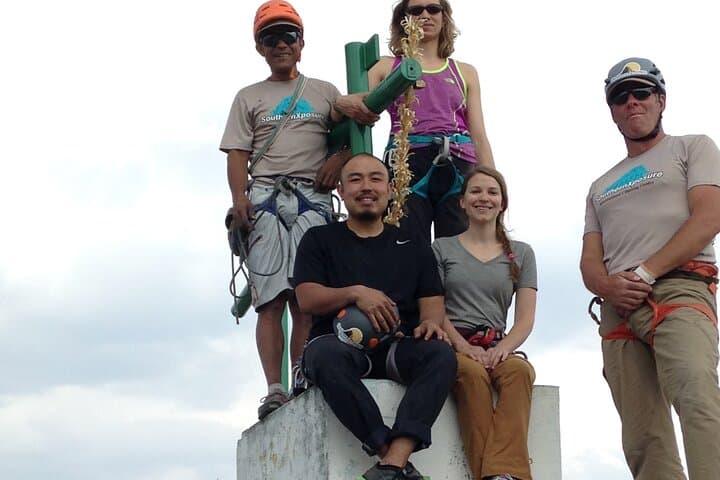
Operated by SouthernXposure Rock Climbing Guides · San Sebastián Bernal, Querétaro
You reach the tourist trail as light slants across the rock face; the monolith looms—vertical, textured, and daring you upward. Guides sort ropes and harnesses while wind threads through fissures. The climb begins with a hike up the tourist trail, a compacted dirt approach that gives way to iron rungs and a fixed cable where hands and feet negotiate exposure.
Peña de Bernal is one of the largest monoliths on Earth, a volcanic neck pushed up and sculpted by erosion over millions of years. The town of San Sebastián Bernal grew at its base; you'll see colonial-era stonework and local churches whose festivals still circle the rock's cultural significance. Geologically the granite is coarse and blocky—excellent for placing feet but deceptive when wet.
Expect 350–450 m of vertical gain from the base to the summit platform, with mixed terrain: a 1–2 km approach on packed trail, then 200–400 m of protected climbing on the via ferrata with sections of exposed scrambling. The summit rewards you with a 360° panorama of farmland, distant mountains, and the grid of Querétaro’s valley.
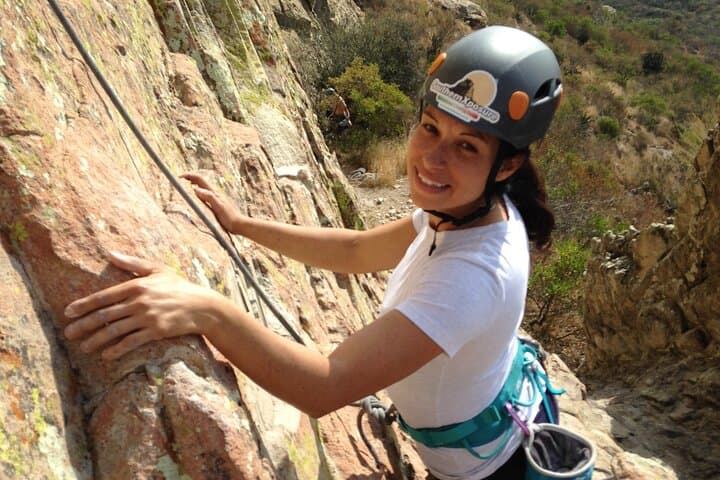
Practical notes: arrive early to avoid midday sun and crowds, carry 2–3 L of water, and wear sturdy hiking boots with grippy soles. Guides supply ropes, harnesses, helmets and belay/rappel devices; personal via ferrata gloves make a big difference. The route can be slippery after rain—operators cancel in bad weather—so check forecasts and your fitness level before booking.
challenging.
5–6 hours.
Should have good cardiovascular fitness and comfort with sustained uphill hiking and exposed, assisted climbing.
No formal experience is required, but climbers should be comfortable with exposure and have at least moderate fitness; guides handle technical rigging.
Guides provide ropes, harnesses, helmets and belay/rappel devices; guests should bring suitable clothing, gloves and personal water.
The activity is a full-day outing (~5–6 hours): a 1–2 km approach to the via ferrata, then 200–400 m of protected vertical ascent to the summit and a return.
Operators typically cancel in bad weather for safety; full refunds are available if canceled at least 24 hours before the scheduled departure per the booking terms.
Peña de Bernal formed as a volcanic neck and has been a spiritual landmark for local communities; the town grew in the colonial era around mission churches and artisan traditions.
Stay on established trails and avoid chalking or bolting new routes; local guides help limit group impact and operators often follow leave-no-trace practices.
SouthernXposure Rock Climbing Guides operates guided outdoor trips and adventures with an emphasis on safety, stewardship, and memorable experiences.
You reach the tourist trail as light slants across the rock face; the monolith looms—vertical, textured, and daring you upward. Guides sort ropes and harnesses while wind threads through fissures. The climb begins with a hike up the tourist trail, a compacted dirt approach that gives way to iron rungs and a fixed cable where hands and feet negotiate exposure.
You reach the tourist trail as light slants across the rock face; the monolith looms—vertical, textured, and daring you upward. Guides sort ropes and harnesses while wind threads through fissures. The climb begins with a hike up the tourist trail, a compacted dirt approach that gives way to iron rungs and a fixed cable where hands and feet negotiate exposure.
Peña de Bernal is one of the largest monoliths on Earth, a volcanic neck pushed up and sculpted by erosion over millions of years. The town of San Sebastián Bernal grew at its base; you'll see colonial-era stonework and local churches whose festivals still circle the rock's cultural significance. Geologically the granite is coarse and blocky—excellent for placing feet but deceptive when wet.
Expect 350–450 m of vertical gain from the base to the summit platform, with mixed terrain: a 1–2 km approach on packed trail, then 200–400 m of protected climbing on the via ferrata with sections of exposed scrambling. The summit rewards you with a 360° panorama of farmland, distant mountains, and the grid of Querétaro’s valley.
Practical notes: arrive early to avoid midday sun and crowds, carry 2–3 L of water, and wear sturdy hiking boots with grippy soles. Guides supply ropes, harnesses, helmets and belay/rappel devices; personal via ferrata gloves make a big difference. The route can be slippery after rain—operators cancel in bad weather—so check forecasts and your fitness level before booking.