THE ADVENTURE COLLECTIVE® · Independent discovery and booking for outdoor travel

A guided, three-hour via ferrata in the Aragon Pyrenees puts you on fixed cables and rungs to reach viewpoints otherwise inaccessible on foot. Expect exposed limestone, clear guides, and panoramic ridgelines—ideal for climbers comfortable with height.
A guided, three-hour via ferrata in the Aragon Pyrenees puts you on fixed cables and rungs to reach viewpoints otherwise inaccessible on foot. Expect exposed limestone, clear guides, and panoramic ridgelines—ideal for climbers comfortable with height.
You step out of the minivan and the limestone wall rises in front of you, the rock face testing your steps and the wind nudging you to pay attention. For three sharp hours the Pyrenees become tactile—iron rungs and a steel cable threading a route where sheer stone otherwise forbids passage. The guide clips you in, checks your harness, and the mountain begins to invite rather than intimidate.
Verified experiences and guided adventures in the surrounding area.
Operated by Nómadas del Pirineo · Jaca, Aragon
You step out of the minivan and the limestone wall rises in front of you, the rock face testing your steps and the wind nudging you to pay attention. For three sharp hours the Pyrenees become tactile—iron rungs and a steel cable threading a route where sheer stone otherwise forbids passage. The guide clips you in, checks your harness, and the mountain begins to invite rather than intimidate.
The Aragonese Pyrenees are folded from ancient seabeds turned to limestone and sculpted by glaciers; the via ferrata routes here take advantage of exposed ribs, chimneys and ledges carved over millennia. The climb sits in a cultural landscape of small mountain villages and shepherd tracks; many via ferrata installations in this region were inspired by Italian and Alpine techniques to make vertical terrain accessible without full technical climbing. Expect views of rocky ridgelines, dark pine stands, and terraces that trace old transhumance paths.
Practically: routes are fully equipped with fixed cables and rungs, and guides provide helmets, harnesses and instruction. Climbs include short exposed sections, occasional vertical steps and easy scrambling at the top. The activity runs about three hours, with a 15–20 minute approach and a 20-minute descent to the meeting point. Moderate fitness and no severe vertigo are required; the guide can clip clients in with additional safety if needed.
Bring sturdy approach shoes, layered clothing for mountain weather, water and a small snack. Start early to avoid afternoon thermals and check that you meet age and health guidelines—this is vertical terrain that rewards focus and calm, not haste.
moderate.
3 hours.
Moderate aerobic fitness and comfort with exposure; able to scramble and ascend ladders for several continuous minutes.
No advanced climbing experience is necessary; guides give a safety briefing and show how to move on the ferrata, but you should be comfortable with exposure and basic scrambling.
This activity is not suitable for children under 12, pregnant travelers, or people with significant heart conditions or severe vertigo.
Tours are cancelled for unsafe weather (thunderstorms, heavy rain) under the operator’s policy; bookings are final, so confirm conditions before travel.
Yes—harness, helmet and via ferrata lanyard are included; guests should bring their own gloves and shoes for fit and comfort.
The Pyrenees have long been a corridor between Iberia and the rest of Europe; many mountain routes follow centuries-old shepherd tracks, and modern via ferratas borrow engineering ideas from early Alpine routes.
Stick to established routes, pack out all trash and avoid disturbing nesting birds—vulture colonies in the Pyrenees are sensitive to human disturbance.
Nómadas del Pirineo operates guided outdoor trips and adventures with an emphasis on safety, stewardship, and memorable experiences.
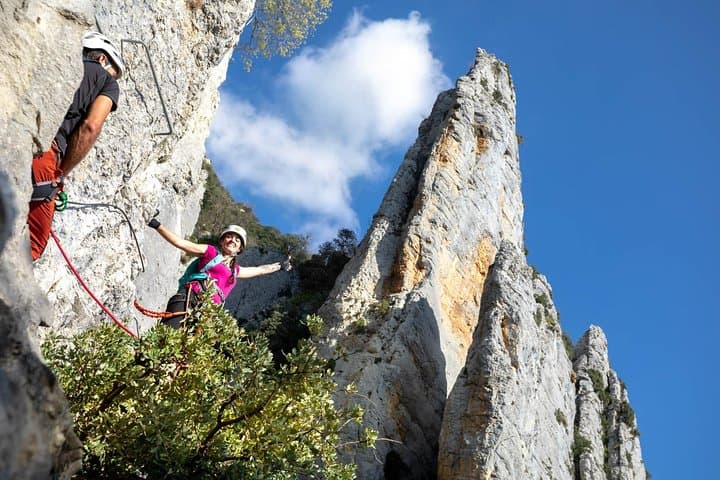
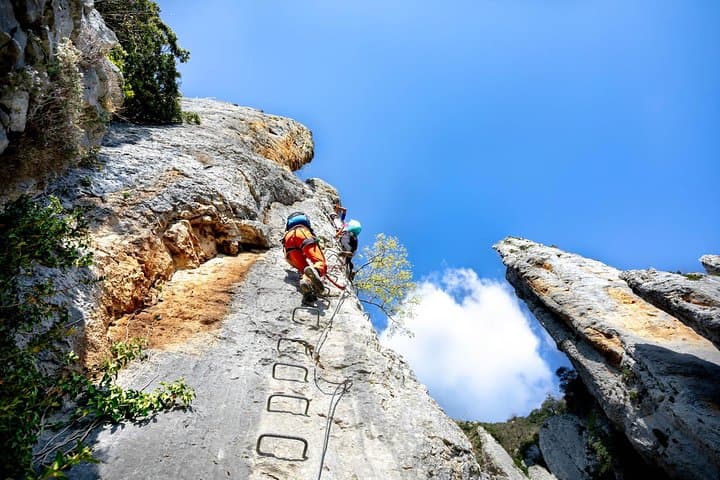
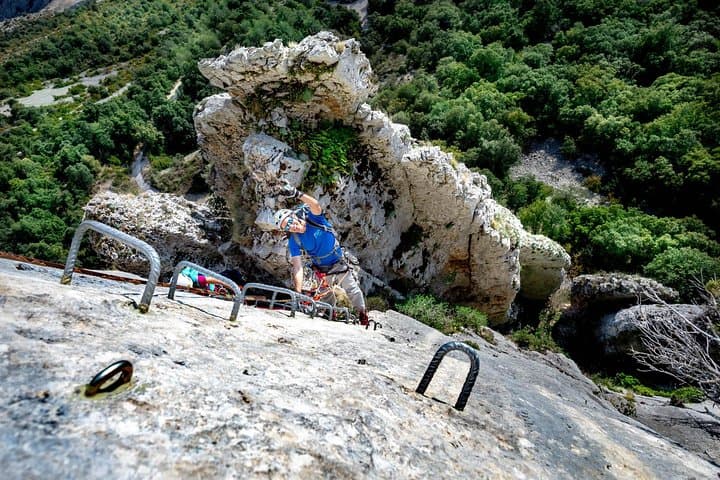
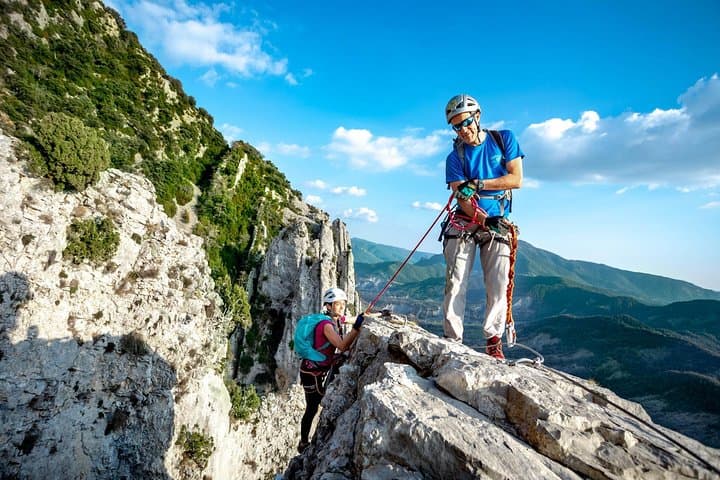
You step out of the minivan and the limestone wall rises in front of you, the rock face testing your steps and the wind nudging you to pay attention. For three sharp hours the Pyrenees become tactile—iron rungs and a steel cable threading a route where sheer stone otherwise forbids passage. The guide clips you in, checks your harness, and the mountain begins to invite rather than intimidate.
You step out of the minivan and the limestone wall rises in front of you, the rock face testing your steps and the wind nudging you to pay attention. For three sharp hours the Pyrenees become tactile—iron rungs and a steel cable threading a route where sheer stone otherwise forbids passage. The guide clips you in, checks your harness, and the mountain begins to invite rather than intimidate.
The Aragonese Pyrenees are folded from ancient seabeds turned to limestone and sculpted by glaciers; the via ferrata routes here take advantage of exposed ribs, chimneys and ledges carved over millennia. The climb sits in a cultural landscape of small mountain villages and shepherd tracks; many via ferrata installations in this region were inspired by Italian and Alpine techniques to make vertical terrain accessible without full technical climbing. Expect views of rocky ridgelines, dark pine stands, and terraces that trace old transhumance paths.
Practically: routes are fully equipped with fixed cables and rungs, and guides provide helmets, harnesses and instruction. Climbs include short exposed sections, occasional vertical steps and easy scrambling at the top. The activity runs about three hours, with a 15–20 minute approach and a 20-minute descent to the meeting point. Moderate fitness and no severe vertigo are required; the guide can clip clients in with additional safety if needed.
Bring sturdy approach shoes, layered clothing for mountain weather, water and a small snack. Start early to avoid afternoon thermals and check that you meet age and health guidelines—this is vertical terrain that rewards focus and calm, not haste.