THE ADVENTURE COLLECTIVE® · Independent discovery and booking for outdoor travel

Clip into Crete’s only via ferrata for a three‑hour route of cables, ladders and vertical limestone with sweeping views of the Libyan Sea. Small guided groups, full equipment and an off‑road approach make this an intense but accessible mountain experience.
Clip into Crete’s only via ferrata for a three‑hour route of cables, ladders and vertical limestone with sweeping views of the Libyan Sea. Small guided groups, full equipment and an off‑road approach make this an intense but accessible mountain experience.
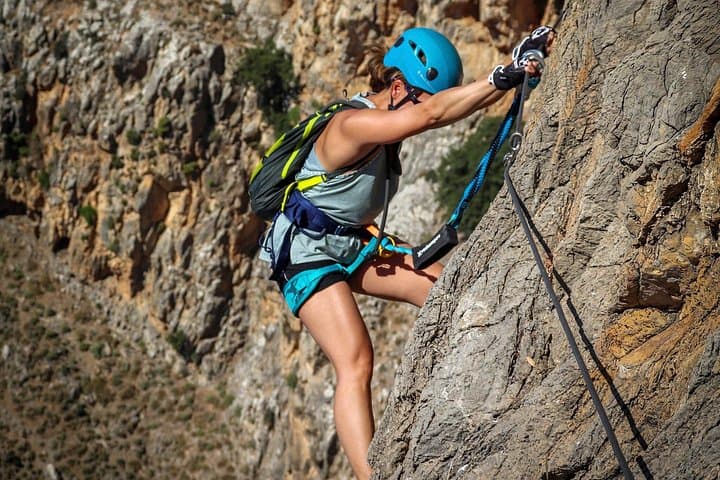
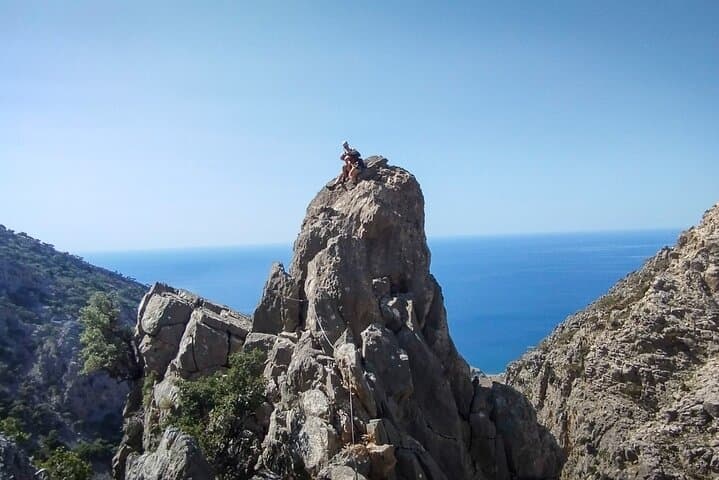
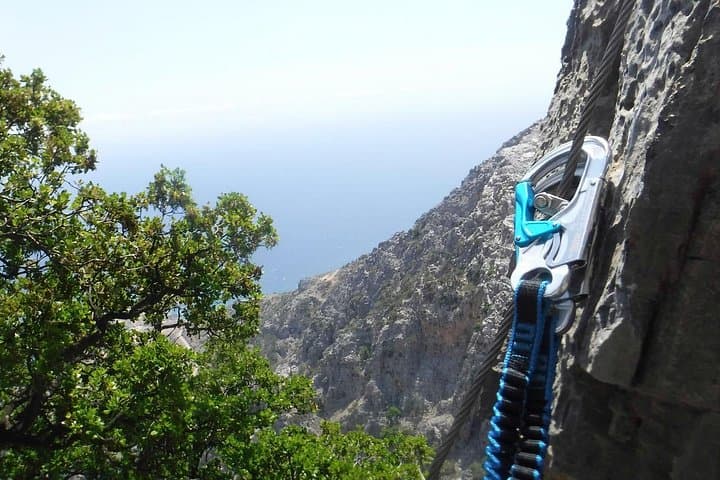
You leave the village of Kapetaniana before dawn, the road narrowing as the sea drops away to the south and the Asterousia’s rocky ribs close in. The route begins with a short off‑road transfer to a ridge where steel cables and runged ladders stitch a safe line across exposed limestone faces. Wind from the Libyan Sea tugs at your jacket as you clip in; below, gorges plunge into shadow and terraced sheep pastures cling to the slopes.
Verified experiences and guided adventures in the surrounding area.
Operated by Alternative Crete · Kapetaniana, Crete
You leave the village of Kapetaniana before dawn, the road narrowing as the sea drops away to the south and the Asterousia’s rocky ribs close in. The route begins with a short off‑road transfer to a ridge where steel cables and runged ladders stitch a safe line across exposed limestone faces. Wind from the Libyan Sea tugs at your jacket as you clip in; below, gorges plunge into shadow and terraced sheep pastures cling to the slopes.
The Asterousia Mountains are among Europe’s southernmost ranges, formed from uplifted limestone and shaped by millennia of wind and water. Small Byzantine chapels and shepherd settlements dot the hills, a reminder that this is working land — not a manicured park. Local guides combine mountaineering skills with knowledge of the region’s flora: low, aromatic shrubs, resilient wildflowers and nesting raptors.
Practically speaking, this is a guided, three‑hour via ferrata suitable for fit beginners comfortable with exposure. Operators provide helmet, harness and lanyard; certified guides lead small groups and manage safety protocols. Expect scrambling, fixed anchors, a few vertical sections and panoramic sea views as your reward.
Plan for sun and wind: mid‑morning to late afternoon is typical, but mornings are cooler and clearer. Wear sturdy hikers with a good sole, bring 1–2 liters of water, sun protection and gloves for the steelwork. The route is not recommended for anyone with serious back or heart conditions, or for those with a strong fear of heights. With preparation and respect for the terrain, the Asterousia via ferrata delivers concentrated exposure and broad coastal vistas in a compact, well‑managed package.
challenging.
3 hours.
You should be in good aerobic shape, comfortable with exposed scrambling and able to ascend/descend uneven terrain for several hundred vertical meters.
No formal climbing experience is required; the route is guided and equipped, but you should be comfortable with heights and have good balance and basic scrambling ability.
Operators typically accept fit teenagers and adults; a high level of physical fitness is recommended and infants or very young children are not suitable for the technical sections.
The tour can be canceled for safety in high wind, heavy rain or lightning; operators usually offer full refunds if canceled at least 24 hours beforehand.
Yes — certified guides supply helmet, harness and via‑ferrata lanyards; participants should bring personal gloves and appropriate footwear.
Asterousia’s slopes have long supported seasonal shepherding and small hamlets; stone chapels and mule tracks reflect centuries of pastoral life.
Stick to fixed anchors and established paths to limit erosion; small group sizes and guided trips help protect fragile limestone flora and nesting birds.
Alternative Crete operates guided outdoor trips and adventures with an emphasis on safety, stewardship, and memorable experiences.
You leave the village of Kapetaniana before dawn, the road narrowing as the sea drops away to the south and the Asterousia’s rocky ribs close in. The route begins with a short off‑road transfer to a ridge where steel cables and runged ladders stitch a safe line across exposed limestone faces. Wind from the Libyan Sea tugs at your jacket as you clip in; below, gorges plunge into shadow and terraced sheep pastures cling to the slopes.
You leave the village of Kapetaniana before dawn, the road narrowing as the sea drops away to the south and the Asterousia’s rocky ribs close in. The route begins with a short off‑road transfer to a ridge where steel cables and runged ladders stitch a safe line across exposed limestone faces. Wind from the Libyan Sea tugs at your jacket as you clip in; below, gorges plunge into shadow and terraced sheep pastures cling to the slopes.
The Asterousia Mountains are among Europe’s southernmost ranges, formed from uplifted limestone and shaped by millennia of wind and water. Small Byzantine chapels and shepherd settlements dot the hills, a reminder that this is working land — not a manicured park. Local guides combine mountaineering skills with knowledge of the region’s flora: low, aromatic shrubs, resilient wildflowers and nesting raptors.
Practically speaking, this is a guided, three‑hour via ferrata suitable for fit beginners comfortable with exposure. Operators provide helmet, harness and lanyard; certified guides lead small groups and manage safety protocols. Expect scrambling, fixed anchors, a few vertical sections and panoramic sea views as your reward.
Plan for sun and wind: mid‑morning to late afternoon is typical, but mornings are cooler and clearer. Wear sturdy hikers with a good sole, bring 1–2 liters of water, sun protection and gloves for the steelwork. The route is not recommended for anyone with serious back or heart conditions, or for those with a strong fear of heights. With preparation and respect for the terrain, the Asterousia via ferrata delivers concentrated exposure and broad coastal vistas in a compact, well‑managed package.