THE ADVENTURE COLLECTIVE® · Independent discovery and booking for outdoor travel

Clip onto the cable and read the rock: this guided Via Ferrata in Andorra delivers four hours of steel rungs, exposed traverses and Pyrenean views with all safety gear provided. Ideal for first-timers and those seeking a controlled dose of vertical adventure.
Clip onto the cable and read the rock: this guided Via Ferrata in Andorra delivers four hours of steel rungs, exposed traverses and Pyrenean views with all safety gear provided. Ideal for first-timers and those seeking a controlled dose of vertical adventure.
You clip in, feel the cable tighten, and the valley exhales beneath you — stone faces daring you upward while pine-scented air pushes at your back. This guided Via Ferrata in Andorra runs about four hours with certified guides and all climbing equipment provided, placing climbers on fixed rungs, steel cables and short suspension bridges carved into Pyrenean limestone.
Verified experiences and guided adventures in the surrounding area.
Operated by Isard Experiences · Andorra la Vella, Andorra la Vella (Parish)
You clip in, feel the cable tighten, and the valley exhales beneath you — stone faces daring you upward while pine-scented air pushes at your back. This guided Via Ferrata in Andorra runs about four hours with certified guides and all climbing equipment provided, placing climbers on fixed rungs, steel cables and short suspension bridges carved into Pyrenean limestone.
The Pyrenees are young mountains of folded rock and glacial polish; routes here trace ancient drainage lines and past shepherd trails. Andorra’s compact cultural patchwork — Catalan-speaking parishes, high-mountain Romanesque churches — sits a short drive from the climbing start, so you move quickly from village lanes to exposed ledges.
Expect sustained exposure rather than technical rock climbing: vertical and traversing sections, occasional ladders and bridge crossings. Guides handle safety systems, teach clipping and descending techniques, and tailor the route to skill level so beginners and experienced climbers share the same itinerary.
Practically, arrive with sturdy footwear, water and layered clothing; the route runs higher than valley temperatures—sun and wind can switch mood in an hour. The operator supplies harness, helmet and dissipator; you only need to focus on movement and breathing. Hydrate before the climb, follow guide briefings closely, and pace yourself on longer vertical pitches. With clear weather this is an accessible, high-adrenaline way to read the mountains up close: steel anchors give a defined line, but the rock and wind keep the day honest.
No—guided Via Ferrata routes are designed for beginners; guides teach clipping, ladder use and basic ropework on site.
The operator supplies a harness, helmet and a dissipator (fall-arrest lanyard); guides manage belays and safety checks.
Minimum participant age varies by operator and route, but many providers allow capable children when accompanied by adults—check age and weight limits when booking.
Tours are often cancelled for heavy rain, high winds or thunderstorms; the cancellation policy typically allows a full refund if called off 24 hours prior.
Isard Experiences operates guided outdoor trips and adventures with an emphasis on safety, stewardship, and memorable experiences.
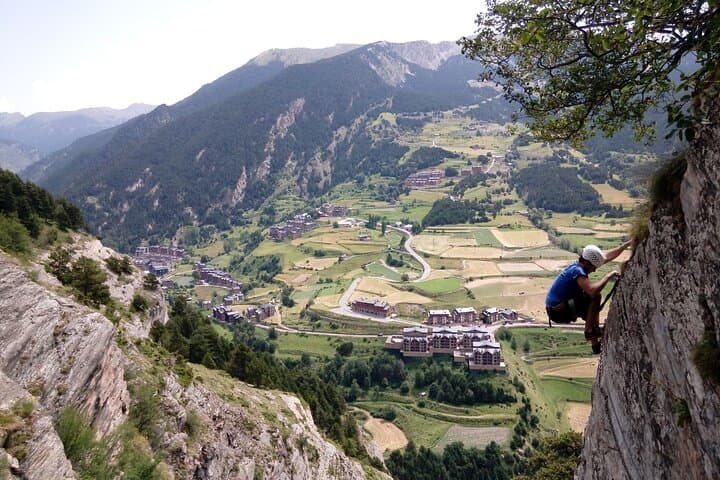
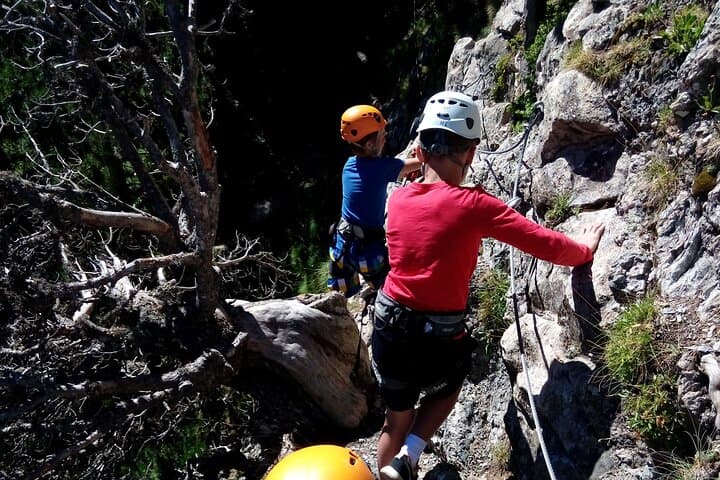
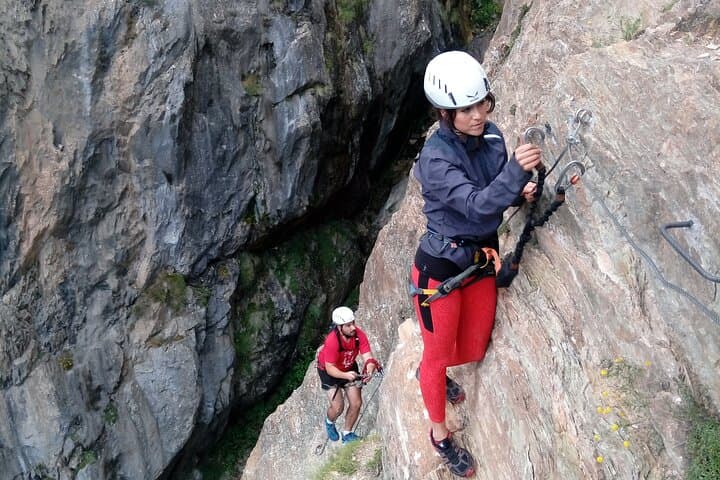
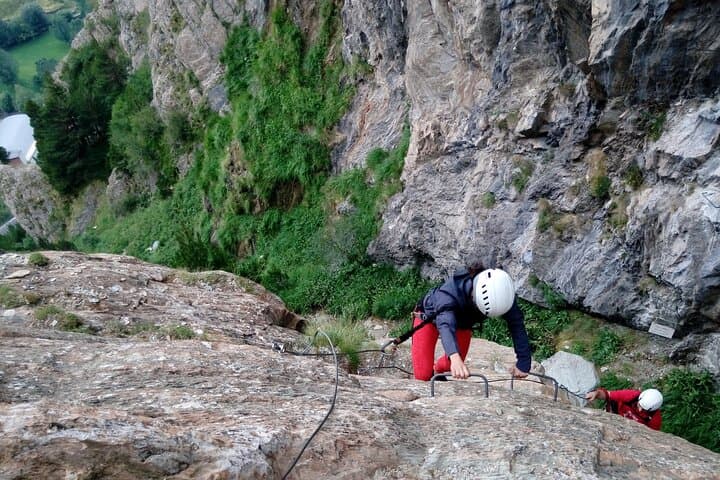
You clip in, feel the cable tighten, and the valley exhales beneath you — stone faces daring you upward while pine-scented air pushes at your back. This guided Via Ferrata in Andorra runs about four hours with certified guides and all climbing equipment provided, placing climbers on fixed rungs, steel cables and short suspension bridges carved into Pyrenean limestone.
You clip in, feel the cable tighten, and the valley exhales beneath you — stone faces daring you upward while pine-scented air pushes at your back. This guided Via Ferrata in Andorra runs about four hours with certified guides and all climbing equipment provided, placing climbers on fixed rungs, steel cables and short suspension bridges carved into Pyrenean limestone.
The Pyrenees are young mountains of folded rock and glacial polish; routes here trace ancient drainage lines and past shepherd trails. Andorra’s compact cultural patchwork — Catalan-speaking parishes, high-mountain Romanesque churches — sits a short drive from the climbing start, so you move quickly from village lanes to exposed ledges.
Expect sustained exposure rather than technical rock climbing: vertical and traversing sections, occasional ladders and bridge crossings. Guides handle safety systems, teach clipping and descending techniques, and tailor the route to skill level so beginners and experienced climbers share the same itinerary.
Practically, arrive with sturdy footwear, water and layered clothing; the route runs higher than valley temperatures—sun and wind can switch mood in an hour. The operator supplies harness, helmet and dissipator; you only need to focus on movement and breathing. Hydrate before the climb, follow guide briefings closely, and pace yourself on longer vertical pitches. With clear weather this is an accessible, high-adrenaline way to read the mountains up close: steel anchors give a defined line, but the rock and wind keep the day honest.