THE ADVENTURE COLLECTIVE® · Independent discovery and booking for outdoor travel

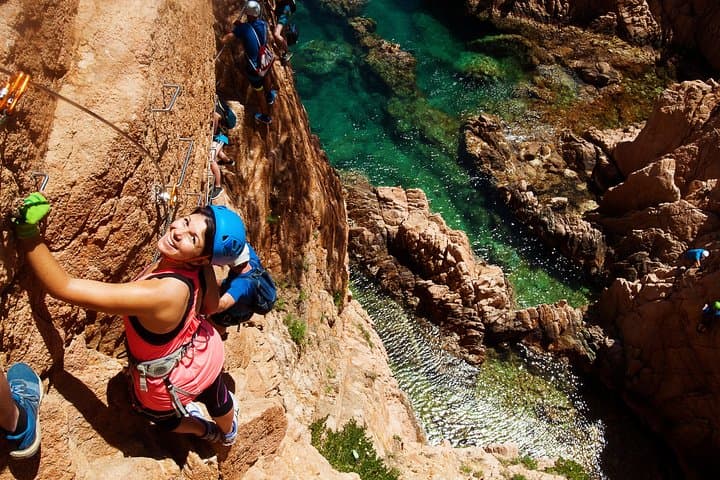
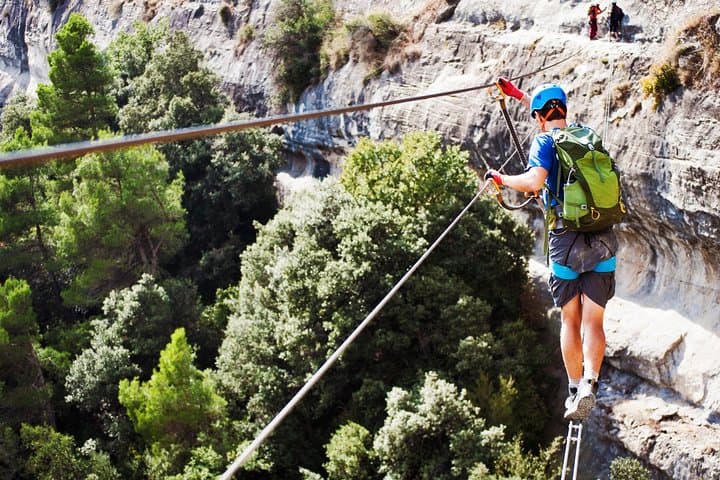
Climb fixed steel and wire above the Mediterranean on a guided via ferrata day trip from Barcelona. Expect exposed traverses, short bridges and panoramic cliff-top views with full safety briefing and equipment provided.
Climb fixed steel and wire above the Mediterranean on a guided via ferrata day trip from Barcelona. Expect exposed traverses, short bridges and panoramic cliff-top views with full safety briefing and equipment provided.
The rope hums at your feet as the city falls away. You meet in Barcelona at first light, load into a van and drive past vineyards and limestone outcrops until the road drops toward a cliff face pinned with steel—your course for the day. The wind off the Mediterranean will push, the cliff will demand attention, and the guide will hand you a harness that suddenly makes exposure manageable instead of terrifying.
Verified experiences and guided adventures in the surrounding area.
Operated by Crag Rats BCN · Barcelona, Catalonia
The rope hums at your feet as the city falls away. You meet in Barcelona at first light, load into a van and drive past vineyards and limestone outcrops until the road drops toward a cliff face pinned with steel—your course for the day. The wind off the Mediterranean will push, the cliff will demand attention, and the guide will hand you a harness that suddenly makes exposure manageable instead of terrifying.
Via ferrata routes in Catalonia trace the junctions of Alpine geology and Mediterranean weather: dolomite and limestone cliffs carved by ancient seas and uplifted by tectonic force. The region’s ferratas range from short coastal spurs that flirt with sea spray to longer inland lines that thread grottos, bridges, and chimneys high enough for raptors to wheel beneath. Culturally, these routes reflect a local appetite for adventure—late 19th- and 20th-century shepherd and mining tracks repurposed into modern protected climbing routes.
Practically, expect a full-day outing: a safety briefing, guided clipping practice, sustained clipped sections, wire bridges, and scrambling. Guides supply helmet, harness, lanyards and instruction; prior scrambling experience helps but no specialist climbing certification is required for introductory K3 routes. Wear grippy approach shoes, bring layered clothing for coastal wind and mountain chill, and carry water and sunscreen. Plan for variable footing, sun exposure, and moments of real exposure; the reward is a route-level view few day-trippers earn and a cold beer on return to Barcelona.
moderate.
8 hours.
Moderate — comfortable with sustained walking, scrambling and exposure for several hours; basic upper-body stamina helps.
No formal climbing experience is required for introductory K3 routes; guides teach clipping technique and movement on exposure during the safety briefing.
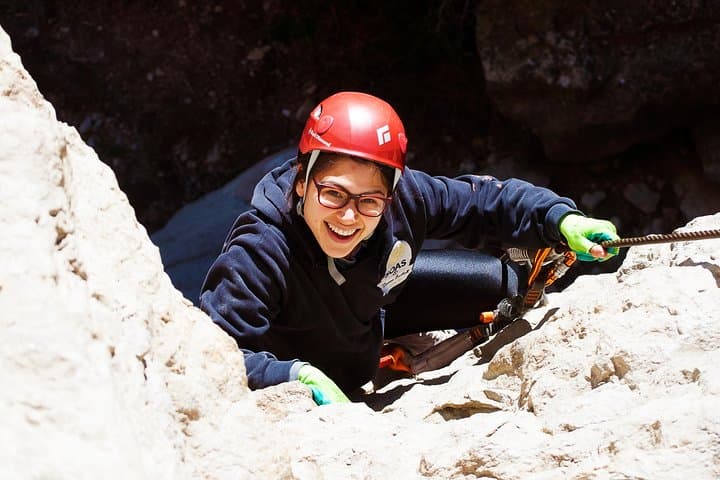
Guides supply helmet, harness, lanyard system and gloves; bring water (1–2 L), snacks, sun protection, sturdy shoes and a small pack.
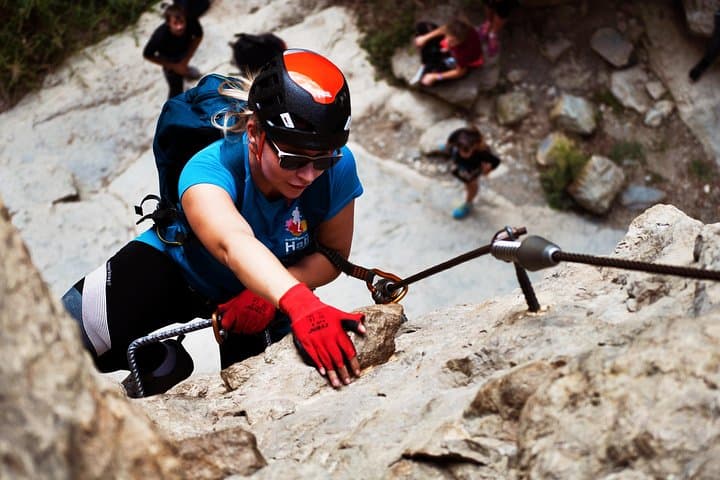
Via ferratas are exposed by design but are protected with steel cables and anchors; proper use of the lanyard system and following the guide’s instructions keeps risk low.
This activity is not recommended for travelers with spinal injuries, heart problems or pregnancy due to sustained exertion and exposure.
Many routes follow old shepherd paths, mining tracks and military access ways that were later equipped with steel rungs and cables in the 20th century.
Stick to marked paths and avoid chalking or altering rock; local guides work with land managers to limit erosion and protect nesting raptors.
Crag Rats BCN operates guided outdoor trips and adventures with an emphasis on safety, stewardship, and memorable experiences.
The rope hums at your feet as the city falls away. You meet in Barcelona at first light, load into a van and drive past vineyards and limestone outcrops until the road drops toward a cliff face pinned with steel—your course for the day. The wind off the Mediterranean will push, the cliff will demand attention, and the guide will hand you a harness that suddenly makes exposure manageable instead of terrifying.
The rope hums at your feet as the city falls away. You meet in Barcelona at first light, load into a van and drive past vineyards and limestone outcrops until the road drops toward a cliff face pinned with steel—your course for the day. The wind off the Mediterranean will push, the cliff will demand attention, and the guide will hand you a harness that suddenly makes exposure manageable instead of terrifying.
Via ferrata routes in Catalonia trace the junctions of Alpine geology and Mediterranean weather: dolomite and limestone cliffs carved by ancient seas and uplifted by tectonic force. The region’s ferratas range from short coastal spurs that flirt with sea spray to longer inland lines that thread grottos, bridges, and chimneys high enough for raptors to wheel beneath. Culturally, these routes reflect a local appetite for adventure—late 19th- and 20th-century shepherd and mining tracks repurposed into modern protected climbing routes.
Practically, expect a full-day outing: a safety briefing, guided clipping practice, sustained clipped sections, wire bridges, and scrambling. Guides supply helmet, harness, lanyards and instruction; prior scrambling experience helps but no specialist climbing certification is required for introductory K3 routes. Wear grippy approach shoes, bring layered clothing for coastal wind and mountain chill, and carry water and sunscreen. Plan for variable footing, sun exposure, and moments of real exposure; the reward is a route-level view few day-trippers earn and a cold beer on return to Barcelona.