THE ADVENTURE COLLECTIVE® · Independent discovery and booking for outdoor travel

Climb the south face of Montserrat on the Via Ferrata de les Dames: a 4‑hour guided route that threads cables and rungs across rugged conglomerate cliffs, ending with sweeping valley views and a hike back to Vinya Nova. Perfect for fit beginners who want exposed climbing with full safety gear.
Climb the south face of Montserrat on the Via Ferrata de les Dames: a 4‑hour guided route that threads cables and rungs across rugged conglomerate cliffs, ending with sweeping valley views and a hike back to Vinya Nova. Perfect for fit beginners who want exposed climbing with full safety gear.
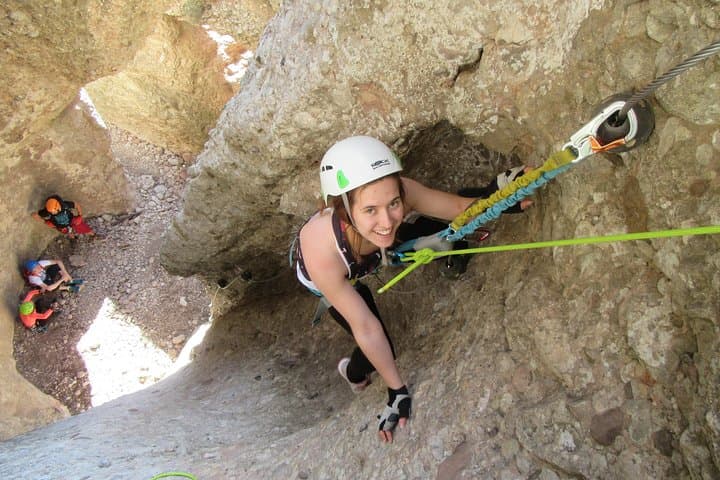
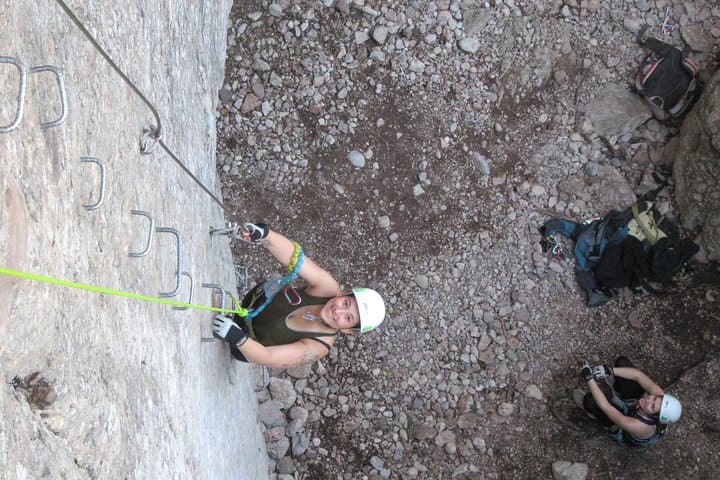
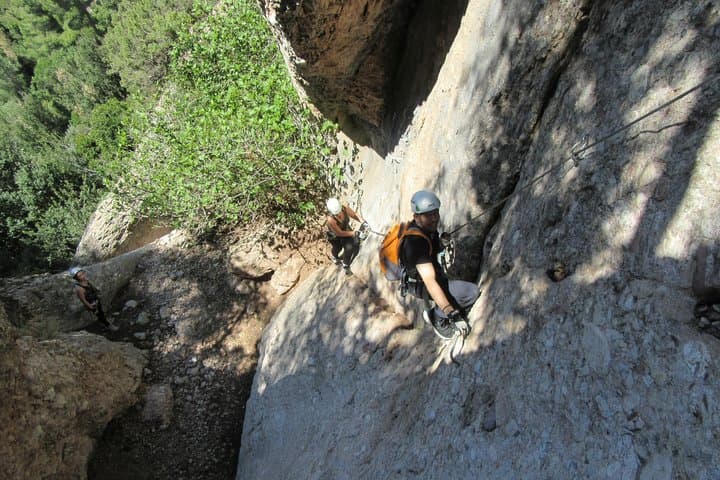
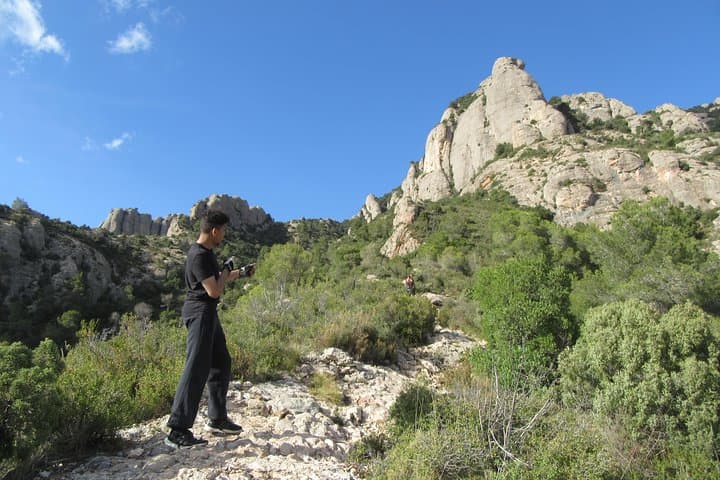
You step off the trail where the south face of Montserrat drops into a slate of warm, orange-brown rock. Steel rungs and cables bite into the cliff and the guide checks your harness; the valley below opens toward vineyards and distant low hills, and the wind seems to encourage each handhold.
Verified experiences and guided adventures in the surrounding area.
Operated by Marc Vilaplana Climbing Guide · El Bruc, Catalonia
You step off the trail where the south face of Montserrat drops into a slate of warm, orange-brown rock. Steel rungs and cables bite into the cliff and the guide checks your harness; the valley below opens toward vineyards and distant low hills, and the wind seems to encourage each handhold.
Montserrat is a jagged mass of conglomerate — rounded pebbles in a cemented matrix — carved by millennia of rain and frost into towers and narrow gullies. The massif grew into cultural prominence around the Benedictine abbey high on the ridge; shepherds and pilgrims have traced these slopes for centuries. The south face where the Via Ferrata de les Dames sits is both geological classroom and playground: expect polishing from countless boots, pockets of lichen, and sudden panoramas toward Barcelona on clear days.
This route mixes exposed vertical sections with easier traverses; rungs, chains and a guided safety line carry you across chimneys and small overhangs. The full experience takes roughly four hours — 25 minutes approach, about 2.5 hours on the equipped route, and a 45-minute descent — and finishes back at the Vinya Nova parking where Catalan food waits.
Practical notes: the operator provides a harness, helmet and lanyard and offers instruction before you start. Wear sport or approach shoes with sticky soles, bring 1–1.5 liters of water, sun protection, and a light wind layer. Avoid the route in heavy rain; the conglomerate becomes slippery and guides will cancel in bad weather. Pace yourself on exposed sections and use the photos your guide takes to remember the climb.
challenging.
4 hours.
Moderate to fit: steady balance, comfort on exposure, and ability to climb 2–3 hours at a controlled pace.
No technical climbing experience is required; guides give a safety briefing and the via ferrata kit lets you clip in as you progress.
Age limits vary by operator; physically capable teenagers may join, but check with the provider for minimum age and supervision rules.
Operators cancel the route in heavy rain, strong winds or icy conditions because the metal rungs and conglomerate rock become hazardous.
This specific meeting point is El Bruc; some operators offer pickup options but confirm transfer details when booking.
Montserrat’s massif has been a pilgrimage site since medieval times; the Benedictine abbey and the Black Madonna draw cultural visitors alongside climbers.
The Montserrat area is managed to protect fragile rock formations and endemic flora—stay on trails, avoid hammering bolts or damaging anchors, and follow guide instructions to minimize impact.
Marc Vilaplana Climbing Guide operates guided outdoor trips and adventures with an emphasis on safety, stewardship, and memorable experiences.
You step off the trail where the south face of Montserrat drops into a slate of warm, orange-brown rock. Steel rungs and cables bite into the cliff and the guide checks your harness; the valley below opens toward vineyards and distant low hills, and the wind seems to encourage each handhold.
You step off the trail where the south face of Montserrat drops into a slate of warm, orange-brown rock. Steel rungs and cables bite into the cliff and the guide checks your harness; the valley below opens toward vineyards and distant low hills, and the wind seems to encourage each handhold.
Montserrat is a jagged mass of conglomerate — rounded pebbles in a cemented matrix — carved by millennia of rain and frost into towers and narrow gullies. The massif grew into cultural prominence around the Benedictine abbey high on the ridge; shepherds and pilgrims have traced these slopes for centuries. The south face where the Via Ferrata de les Dames sits is both geological classroom and playground: expect polishing from countless boots, pockets of lichen, and sudden panoramas toward Barcelona on clear days.
This route mixes exposed vertical sections with easier traverses; rungs, chains and a guided safety line carry you across chimneys and small overhangs. The full experience takes roughly four hours — 25 minutes approach, about 2.5 hours on the equipped route, and a 45-minute descent — and finishes back at the Vinya Nova parking where Catalan food waits.
Practical notes: the operator provides a harness, helmet and lanyard and offers instruction before you start. Wear sport or approach shoes with sticky soles, bring 1–1.5 liters of water, sun protection, and a light wind layer. Avoid the route in heavy rain; the conglomerate becomes slippery and guides will cancel in bad weather. Pace yourself on exposed sections and use the photos your guide takes to remember the climb.