THE ADVENTURE COLLECTIVE® · Independent discovery and booking for outdoor travel

A compact, adrenaline-tinged via ferrata just outside El Chaltén that combines a flat approach, 600 ft of elevation gain on protected iron, and a final zipline with Fitz Roy views—perfect for fit hikers with a taste for exposure.
A compact, adrenaline-tinged via ferrata just outside El Chaltén that combines a flat approach, 600 ft of elevation gain on protected iron, and a final zipline with Fitz Roy views—perfect for fit hikers with a taste for exposure.
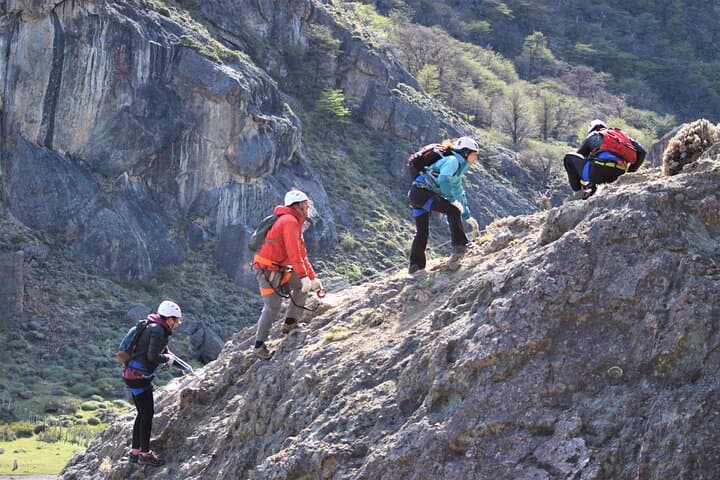
You step off the trail and the canyon takes charge: wind pushes across the wide valley, lenga trees lean like quiet witnesses and the granite face above invites steady feet and a clipped carabiner.
Verified experiences and guided adventures in the surrounding area.
Operated by Bonanza Adventure · El Chaltén, Santa Cruz
You step off the trail and the canyon takes charge: wind pushes across the wide valley, lenga trees lean like quiet witnesses and the granite face above invites steady feet and a clipped carabiner.
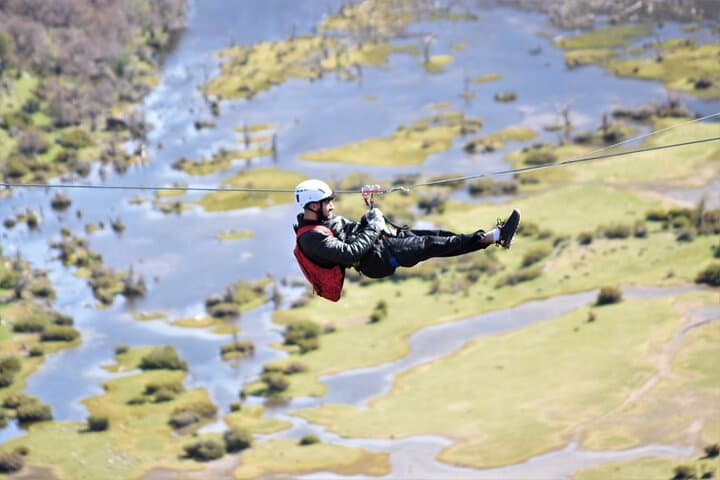
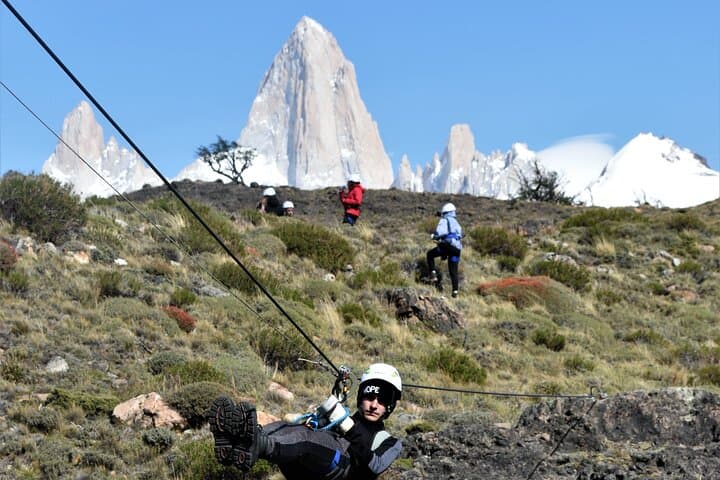
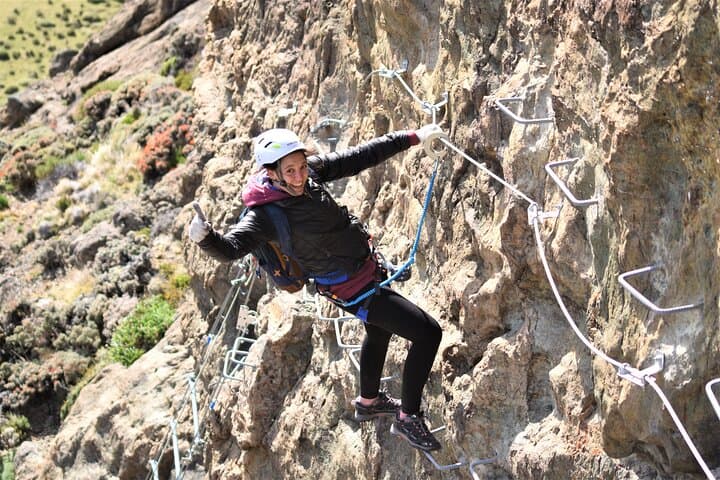
This three‑hour Via Ferrata in Cañadón de la Vizcacha pairs a one‑mile flat approach with 1800 ft of fixed cable route and roughly 600 ft of vertical gain. The iron path—anchors, rungs and a few suspension bridges—lets non‑climbers move through exposed rock with a locked lanyard, finishing on a surprise zipline that slings you toward a higher viewpoint of the Fitz Roy massif.
Geology here is raw: wind‑scoured Patagonian granite carved by glaciers, producing sharp ridges and polished faces. El Chaltén is a young settlement born from mountaineering and sheep ranching; guides here are steeped in local route knowledge and ranger weather warnings. Culture is pragmatic—gaucho and guide share respect for rapid weather shifts and fragile steppe ecosystems.
Practical guidance: expect 1.6 km approach, moderate scrambling, and continuous walking on the iron line; total time about three hours. Guides supply helmet, harness and specialized lanyard; no prior climbing experience required but a moderate fitness level and surefootedness are essential. Layer for wind, drink frequently—the Patagonian sun and breeze can dehydrate fast—and arrive with closed‑toe boots and light gloves for carabiner handling.
The route is short but intense: move deliberately on the cable, follow your guide’s briefings, and pause at the top to let the valley and Fitz Roy do the talking before the zipline sends you off.
moderate.
3 hours.
Should have steady aerobic fitness for continuous hiking and the ability to handle exposed, vertical sections for up to an hour at a time.
No prior climbing experience is required; guides brief clipping technique and you remain attached to the safety cable throughout.
The iron route runs approximately 1800 ft (550 m) in length with around 600 ft (180 m) of elevation gain; approach adds about 1 mile (1.6 km) round trip on flat terrain.
Age and ability limits vary by operator; children with good balance and moderate fitness may be allowed but check the operator’s minimum age and safety rules beforehand.
Trips are often canceled for high winds or storms; operators typically offer refunds or rescheduling if conditions make the route unsafe.
El Chaltén was established in the 1980s and quickly became Argentina’s trekking hub; routes reflect a blend of gaucho ranching territory and mountaineering tradition.
Visitors are asked to stay on marked trails and carry out all waste; the fragile Patagonian steppe and glacial runoff are sensitive to erosion and pollution.
Bonanza Adventure operates guided outdoor trips and adventures with an emphasis on safety, stewardship, and memorable experiences.
You step off the trail and the canyon takes charge: wind pushes across the wide valley, lenga trees lean like quiet witnesses and the granite face above invites steady feet and a clipped carabiner.
You step off the trail and the canyon takes charge: wind pushes across the wide valley, lenga trees lean like quiet witnesses and the granite face above invites steady feet and a clipped carabiner.
This three‑hour Via Ferrata in Cañadón de la Vizcacha pairs a one‑mile flat approach with 1800 ft of fixed cable route and roughly 600 ft of vertical gain. The iron path—anchors, rungs and a few suspension bridges—lets non‑climbers move through exposed rock with a locked lanyard, finishing on a surprise zipline that slings you toward a higher viewpoint of the Fitz Roy massif.
Geology here is raw: wind‑scoured Patagonian granite carved by glaciers, producing sharp ridges and polished faces. El Chaltén is a young settlement born from mountaineering and sheep ranching; guides here are steeped in local route knowledge and ranger weather warnings. Culture is pragmatic—gaucho and guide share respect for rapid weather shifts and fragile steppe ecosystems.
Practical guidance: expect 1.6 km approach, moderate scrambling, and continuous walking on the iron line; total time about three hours. Guides supply helmet, harness and specialized lanyard; no prior climbing experience required but a moderate fitness level and surefootedness are essential. Layer for wind, drink frequently—the Patagonian sun and breeze can dehydrate fast—and arrive with closed‑toe boots and light gloves for carabiner handling.
The route is short but intense: move deliberately on the cable, follow your guide’s briefings, and pause at the top to let the valley and Fitz Roy do the talking before the zipline sends you off.