THE ADVENTURE COLLECTIVE® · Independent discovery and booking for outdoor travel

Cross Europe’s longest Tibetan bridge on the Baumes Corcades via ferrata in Centelles. This 4-hour guided climb combines exposed iron rungs, vertical walls and sweeping valley views—ideal for climbers comfortable with heights and looking for a technical, adrenaline-rich day.
Cross Europe’s longest Tibetan bridge on the Baumes Corcades via ferrata in Centelles. This 4-hour guided climb combines exposed iron rungs, vertical walls and sweeping valley views—ideal for climbers comfortable with heights and looking for a technical, adrenaline-rich day.
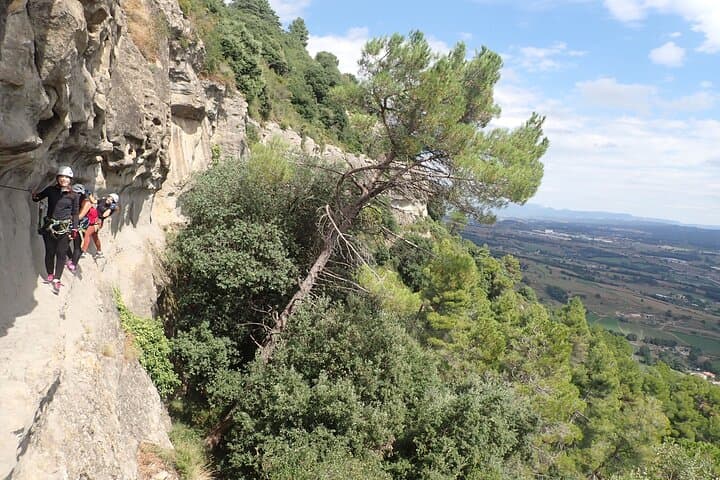
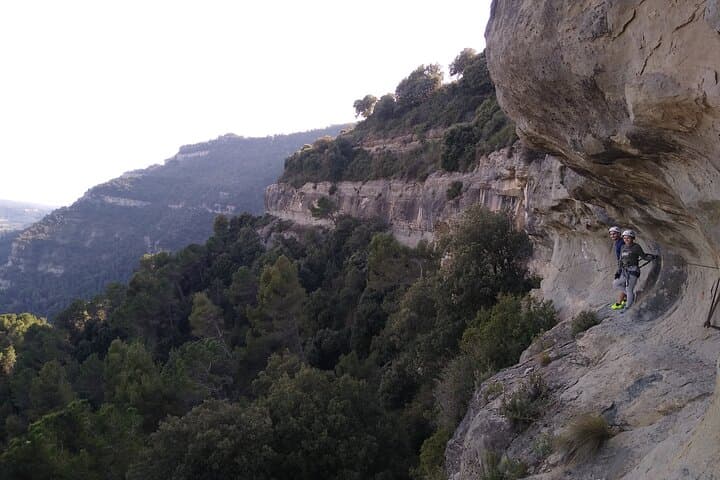
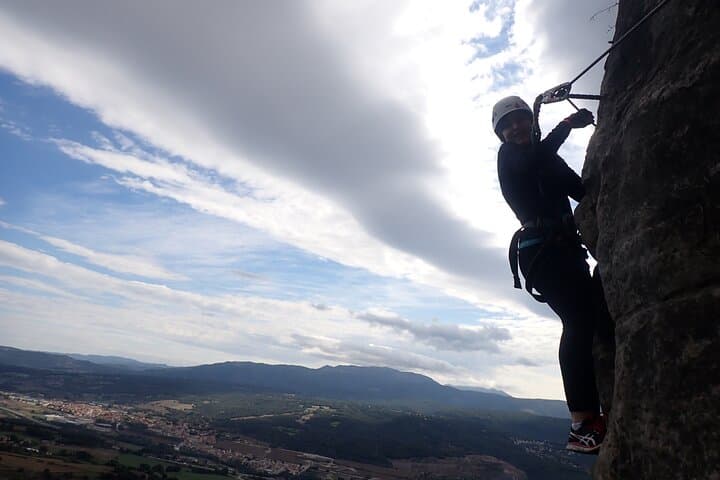
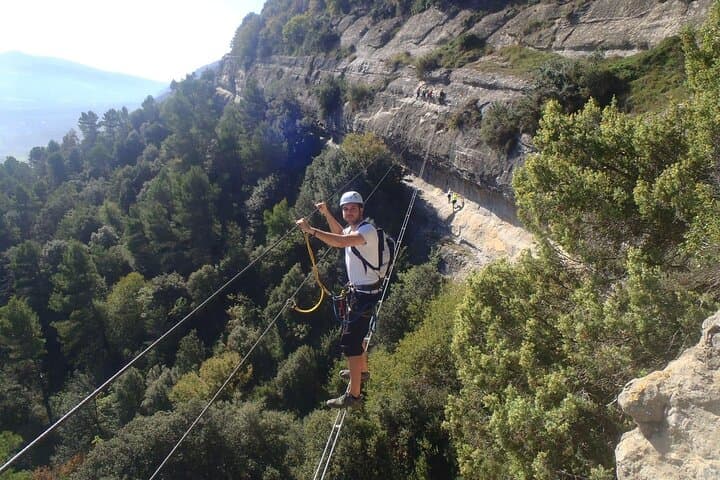
You step onto raw limestone, the cliff face pressing cool under your palms while a 70-meter Tibetan bridge swings and narrows ahead, daring you to cross. Wind drafts through the gorge; below, the valley falls away in a drop that feels like several hundred meters of exposure. For four focused hours you move across iron rungs, slotted steps and vertical walls—each section a test of balance and nerve.
Verified experiences and guided adventures in the surrounding area.
Operated by Guies Arania · Centelles, Catalonia
You step onto raw limestone, the cliff face pressing cool under your palms while a 70-meter Tibetan bridge swings and narrows ahead, daring you to cross. Wind drafts through the gorge; below, the valley falls away in a drop that feels like several hundred meters of exposure. For four focused hours you move across iron rungs, slotted steps and vertical walls—each section a test of balance and nerve.
The Baumes Corcades via ferrata sits in Centelles, Osona, an area shaped by Miocene limestones and river erosion that carved steep gorges and overhangs. Catalonia’s climbing history is practical and local—farm trails turned access routes, and today these via ferratas blend industrial anchors with traditional footpaths. Expect Catalan countryside sights: terraced fields, scattered masies (stone farmhouses), and the occasional shepherding dog.
Practically speaking, the route is exposed and technical in short bursts; you’ll clip a via ferrata set, wear a helmet and move under guide supervision. The 70 m Tibetan bridge is the route’s highlight and gives a dramatic feeling of height (reports describe exposure from roughly 300–600 m in visual drop). The operator structures the day into briefing, practice on easier sections, the main via ferrata, then the bridge and descent.
Bring layered clothing, gloves, and sturdy boots. Hydrate well and arrive with a moderate level of fitness and no recent spinal or cardiac issues. If weather turns—wind or lightning—the route will be closed. When it’s clear, the ridge rewards measured courage with broad valley views and an unforgettable rope-and-iron passage across Catalonia’s limestone spine.
challenging.
4 hours.
Moderate to high — good leg strength, endurance, and comfort with exposure are required
Previous via ferrata or scrambling experience helps, but guides provide instruction; you should be comfortable with heights and basic climbing movement.
Tours are about 4 hours with up to 10 participants per shared group; expect briefing, practice, the main route, and descent.
Most operators supply helmets, harnesses and via-ferrata lanyards; confirm when booking if you need a different size or wish to use personal gear.
Not recommended for pregnant travelers or those with serious back or heart conditions; participants should have moderate fitness and no recent spinal injuries.
The via ferrata follows paths where local shepherds and quarry workers once moved; bolted routes were developed more recently to open the cliffs to recreational climbers.
Stay on established approaches, avoid chalking or additional bolts, and pack out waste—local groups monitor erosion and restrict access during nesting season.
Guies Arania operates guided outdoor trips and adventures with an emphasis on safety, stewardship, and memorable experiences.
You step onto raw limestone, the cliff face pressing cool under your palms while a 70-meter Tibetan bridge swings and narrows ahead, daring you to cross. Wind drafts through the gorge; below, the valley falls away in a drop that feels like several hundred meters of exposure. For four focused hours you move across iron rungs, slotted steps and vertical walls—each section a test of balance and nerve.
You step onto raw limestone, the cliff face pressing cool under your palms while a 70-meter Tibetan bridge swings and narrows ahead, daring you to cross. Wind drafts through the gorge; below, the valley falls away in a drop that feels like several hundred meters of exposure. For four focused hours you move across iron rungs, slotted steps and vertical walls—each section a test of balance and nerve.
The Baumes Corcades via ferrata sits in Centelles, Osona, an area shaped by Miocene limestones and river erosion that carved steep gorges and overhangs. Catalonia’s climbing history is practical and local—farm trails turned access routes, and today these via ferratas blend industrial anchors with traditional footpaths. Expect Catalan countryside sights: terraced fields, scattered masies (stone farmhouses), and the occasional shepherding dog.
Practically speaking, the route is exposed and technical in short bursts; you’ll clip a via ferrata set, wear a helmet and move under guide supervision. The 70 m Tibetan bridge is the route’s highlight and gives a dramatic feeling of height (reports describe exposure from roughly 300–600 m in visual drop). The operator structures the day into briefing, practice on easier sections, the main via ferrata, then the bridge and descent.
Bring layered clothing, gloves, and sturdy boots. Hydrate well and arrive with a moderate level of fitness and no recent spinal or cardiac issues. If weather turns—wind or lightning—the route will be closed. When it’s clear, the ridge rewards measured courage with broad valley views and an unforgettable rope-and-iron passage across Catalonia’s limestone spine.