THE ADVENTURE COLLECTIVE® · Independent discovery and booking for outdoor travel

An exposed, technical via ferrata above Trento that demands experience and steady nerves. Expect overhangs, sustained exposure and compact vertical climbing with sweeping Adige Valley views.
An exposed, technical via ferrata above Trento that demands experience and steady nerves. Expect overhangs, sustained exposure and compact vertical climbing with sweeping Adige Valley views.
You step onto iron rungs that cut a line across limestone, the Adige Valley opening beneath you like a wide current that dares you forward. Wind combs the ridge; the rock pitches, then overhangs, and the valley town of Trento shrinks into a grid of roofs. This is Monte Albano’s via ferrata—a short but intense climb where exposure is constant and views are rewards earned a meter at a time.
Verified experiences and guided adventures in the surrounding area.
Operated by Mmove - Into Nature · Trento, Trentino-Alto Adige
You step onto iron rungs that cut a line across limestone, the Adige Valley opening beneath you like a wide current that dares you forward. Wind combs the ridge; the rock pitches, then overhangs, and the valley town of Trento shrinks into a grid of roofs. This is Monte Albano’s via ferrata—a short but intense climb where exposure is constant and views are rewards earned a meter at a time.
Geologically the route carves through Mesozoic limestone layered with fossilized marine beds; the steep faces are a record of the Adriatic’s ancient reach and the uplift that created the Southern Alps. Historically the area served local shepherding and strategic observation of the valley; today small hamlets and mountain huts preserve rural Trentino culture and mountain guiding traditions.
Expect a mix of vertical iron steps, traverses and at least one sustained overhang; the line is compact but physically demanding. The itinerary commonly includes an approach trail through mixed beech and chestnut woodland, a crux on exposed rock, and a descent that returns you to the valley with long views of terraced vineyards and distant peaks.
Practical guidance: arrive with sturdy approach shoes, gloves or ferrata-specific gloves, and at least 2 liters of water; sun and wind can both be strong on the ridge. Climbers should be comfortable with sustained exposure, able to clip and unclip a ferrata lanyard without assistance, and fit enough for a 3–4 hour outing including approach and descent. Guided trips provide helmet, harness and ferrata set; check local weather and cancel policies—thunderstorms make this route unsafe.
difficult.
4 hours.
Good cardiovascular fitness and leg strength; able to handle sustained scrambling and exposure for several hours.
Yes—this route contains overhanging and highly exposed sections best suited to climbers who have completed intermediate ferratas.
Guided trips typically include helmet, harness and a ferrata set; verify with the operator before arrival.
Late spring through early fall offers the most stable conditions; avoid summer afternoons due to thunderstorms and winter when snow and ice make the route hazardous.
Beginners are sometimes accepted only with specific prior experience and excellent fitness; confirm with the guide company before booking.
The ridge has long been a local observation line above the Adige; limestone terraces and old shepherd tracks reflect traditional land use in Trentino.
Stick to established trails and avoid chalking or placing gear on fragile rock; the area is managed for both recreation and agricultural use, so pack out all waste.
Mmove - Into Nature operates guided outdoor trips and adventures with an emphasis on safety, stewardship, and memorable experiences.
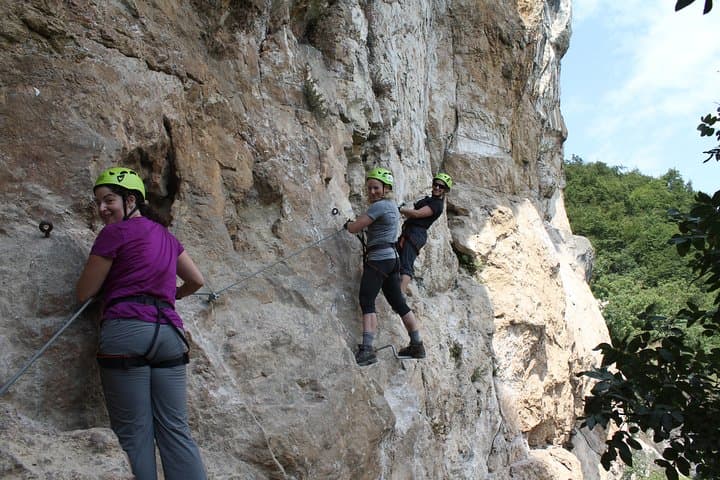
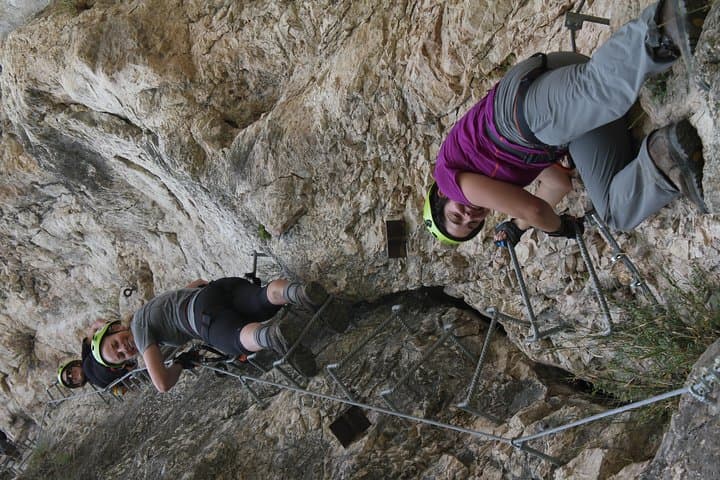
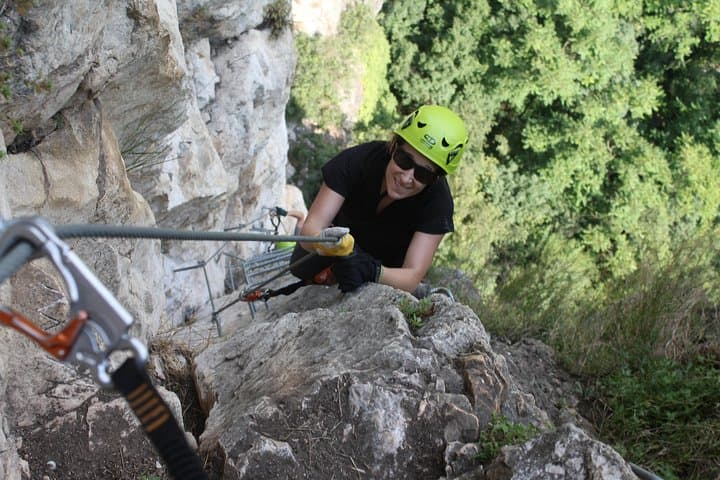
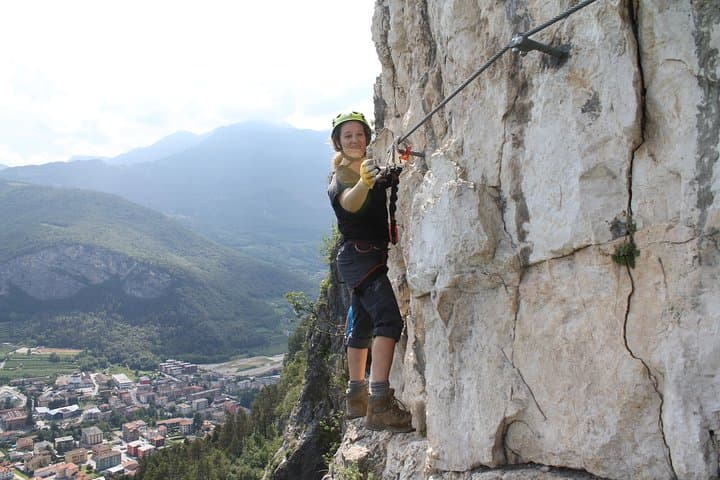
You step onto iron rungs that cut a line across limestone, the Adige Valley opening beneath you like a wide current that dares you forward. Wind combs the ridge; the rock pitches, then overhangs, and the valley town of Trento shrinks into a grid of roofs. This is Monte Albano’s via ferrata—a short but intense climb where exposure is constant and views are rewards earned a meter at a time.
You step onto iron rungs that cut a line across limestone, the Adige Valley opening beneath you like a wide current that dares you forward. Wind combs the ridge; the rock pitches, then overhangs, and the valley town of Trento shrinks into a grid of roofs. This is Monte Albano’s via ferrata—a short but intense climb where exposure is constant and views are rewards earned a meter at a time.
Geologically the route carves through Mesozoic limestone layered with fossilized marine beds; the steep faces are a record of the Adriatic’s ancient reach and the uplift that created the Southern Alps. Historically the area served local shepherding and strategic observation of the valley; today small hamlets and mountain huts preserve rural Trentino culture and mountain guiding traditions.
Expect a mix of vertical iron steps, traverses and at least one sustained overhang; the line is compact but physically demanding. The itinerary commonly includes an approach trail through mixed beech and chestnut woodland, a crux on exposed rock, and a descent that returns you to the valley with long views of terraced vineyards and distant peaks.
Practical guidance: arrive with sturdy approach shoes, gloves or ferrata-specific gloves, and at least 2 liters of water; sun and wind can both be strong on the ridge. Climbers should be comfortable with sustained exposure, able to clip and unclip a ferrata lanyard without assistance, and fit enough for a 3–4 hour outing including approach and descent. Guided trips provide helmet, harness and ferrata set; check local weather and cancel policies—thunderstorms make this route unsafe.