THE ADVENTURE COLLECTIVE® · Independent discovery and booking for outdoor travel

Combine a crater rim walk with a vineyard lunch on the slopes of Mount Vesuvius. This half-day tour from Naples pairs a guided geological overview with tastings of Lacryma Christi and other local wines.
Combine a crater rim walk with a vineyard lunch on the slopes of Mount Vesuvius. This half-day tour from Naples pairs a guided geological overview with tastings of Lacryma Christi and other local wines.
You step off the minibus into a thin, high wind and the Bay of Naples opens like a painted map beneath you — the city of Naples to the left, Capri and the Tyrrhenian punched out on the horizon. The trail up Vesuvius climbs through scrub and vineyards; volcanic rock crunches underfoot and the air smells faintly of smoke and grape must. From the crater rim the mountain looks both ancient and active, a raw geological presence that frames the vineyard terraces below.
Verified experiences and guided adventures in the surrounding area.
Operated by Campania Overland · Naples, Campania
You step off the minibus into a thin, high wind and the Bay of Naples opens like a painted map beneath you — the city of Naples to the left, Capri and the Tyrrhenian punched out on the horizon. The trail up Vesuvius climbs through scrub and vineyards; volcanic rock crunches underfoot and the air smells faintly of smoke and grape must. From the crater rim the mountain looks both ancient and active, a raw geological presence that frames the vineyard terraces below.
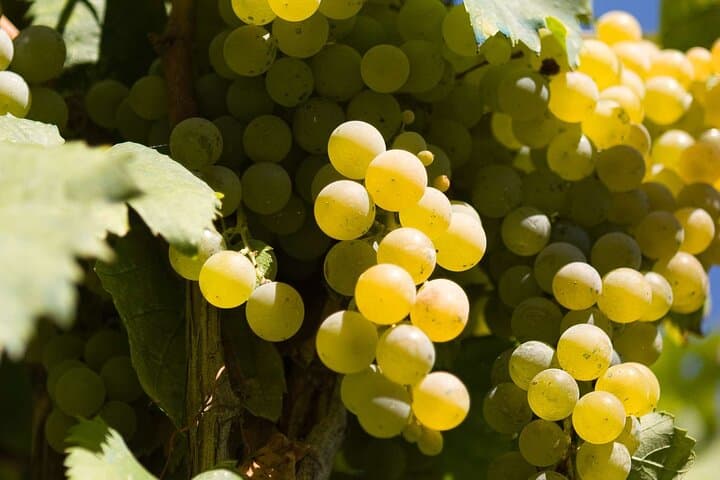
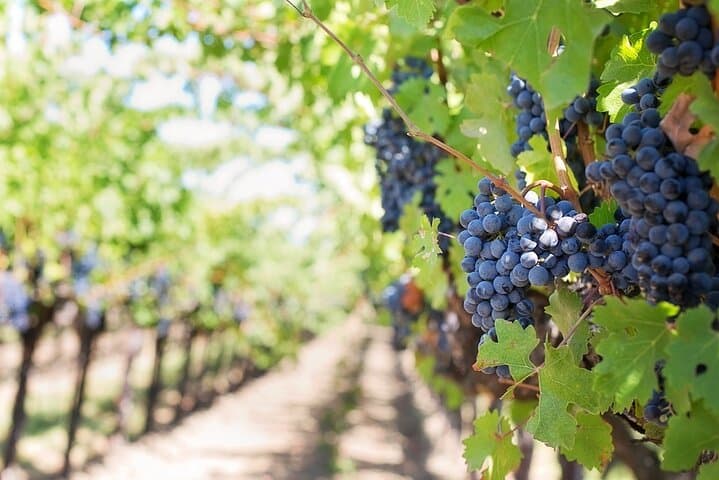
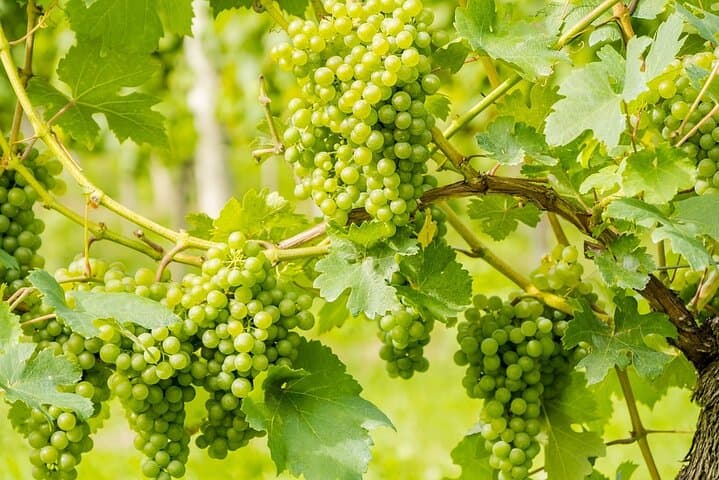
This is a place shaped by eruption: the 79 AD blast that buried Pompeii and Herculaneum left a mineral-rich soil that local growers have used for centuries. Lacryma Christi and Caprettone are two wines born of that soil, their character folded by pumice, ash, and sun. Cultural memory here is visible in old stone terraces, family-run cantinas, and the way guides weave archaeological and viticultural stories together.
Practical guidance: expect roughly a half-day tour (about 4 hours) with a guided walk to the crater and a seated vineyard tasting and lunch. Trails are uneven with loose volcanic scree; solid hiking shoes and sun protection matter more than technical gear. Plan for wind at the summit and bring layers — temperatures can drop quickly. Hydrate before you climb and reserve a full afternoon if you want to explore Pompeii beforehand; many tours link the two.
Timing tip: mornings bring clearer views across the gulf; late afternoon light makes the vineyards glow for photos. Respect private vineyards — tastings happen in permitted farmhouses where local producers welcome guests.
moderate.
4 hours.
Moderately fit — able to handle 30–60 minutes of uphill walking on uneven terrain and steps.
The walk from the designated parking area to the crater rim is typically 20–40 minutes depending on fitness and exact meeting point; paths are uneven with loose stones.
Yes — a vineyard lunch with a wine tasting is included on most tours, but alcohol tastings are not served to underaged guests.
Many operators link Pompeii and Vesuvius on a half- or full-day schedule; check tour itinerary — pickups often start in Naples with a stop at Pompeii en route.
Not recommended — the crater path and terraces involve steep, uneven sections and limited wheelchair access; consult the operator for alternatives.
Vesuvius’s AD 79 eruption buried Pompeii and Herculaneum; the mountain’s volcanic soils have supported specialized viticulture for centuries.
Trails and terraces are fragile — stay on marked paths, avoid disturbing vines, and support local producers who practice sustainable hillside farming.
Campania Overland operates guided outdoor trips and adventures with an emphasis on safety, stewardship, and memorable experiences.
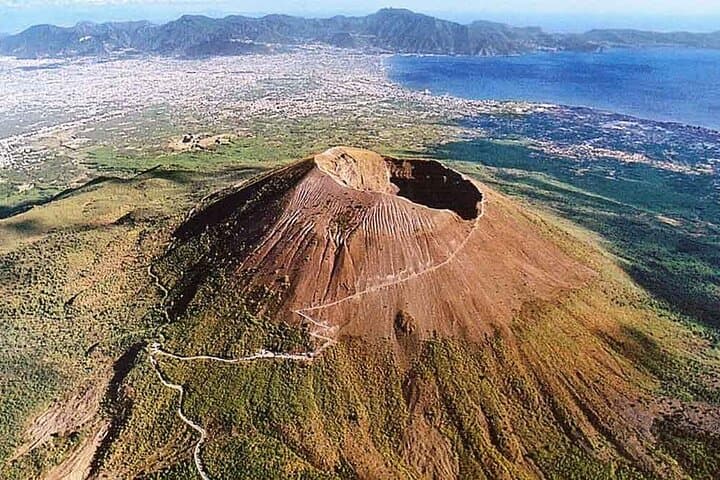
You step off the minibus into a thin, high wind and the Bay of Naples opens like a painted map beneath you — the city of Naples to the left, Capri and the Tyrrhenian punched out on the horizon. The trail up Vesuvius climbs through scrub and vineyards; volcanic rock crunches underfoot and the air smells faintly of smoke and grape must. From the crater rim the mountain looks both ancient and active, a raw geological presence that frames the vineyard terraces below.
You step off the minibus into a thin, high wind and the Bay of Naples opens like a painted map beneath you — the city of Naples to the left, Capri and the Tyrrhenian punched out on the horizon. The trail up Vesuvius climbs through scrub and vineyards; volcanic rock crunches underfoot and the air smells faintly of smoke and grape must. From the crater rim the mountain looks both ancient and active, a raw geological presence that frames the vineyard terraces below.
This is a place shaped by eruption: the 79 AD blast that buried Pompeii and Herculaneum left a mineral-rich soil that local growers have used for centuries. Lacryma Christi and Caprettone are two wines born of that soil, their character folded by pumice, ash, and sun. Cultural memory here is visible in old stone terraces, family-run cantinas, and the way guides weave archaeological and viticultural stories together.
Practical guidance: expect roughly a half-day tour (about 4 hours) with a guided walk to the crater and a seated vineyard tasting and lunch. Trails are uneven with loose volcanic scree; solid hiking shoes and sun protection matter more than technical gear. Plan for wind at the summit and bring layers — temperatures can drop quickly. Hydrate before you climb and reserve a full afternoon if you want to explore Pompeii beforehand; many tours link the two.
Timing tip: mornings bring clearer views across the gulf; late afternoon light makes the vineyards glow for photos. Respect private vineyards — tastings happen in permitted farmhouses where local producers welcome guests.