THE ADVENTURE COLLECTIVE® · Independent discovery and booking for outdoor travel

Hike to Vesuvius’s crater, walk the remarkably preserved streets of Herculaneum, and explore Pompeii’s forum on a full‑day journey from Naples. Practical tips on tickets, footwear and timing help you get the most from a compact, history‑rich day.
Hike to Vesuvius’s crater, walk the remarkably preserved streets of Herculaneum, and explore Pompeii’s forum on a full‑day journey from Naples. Practical tips on tickets, footwear and timing help you get the most from a compact, history‑rich day.
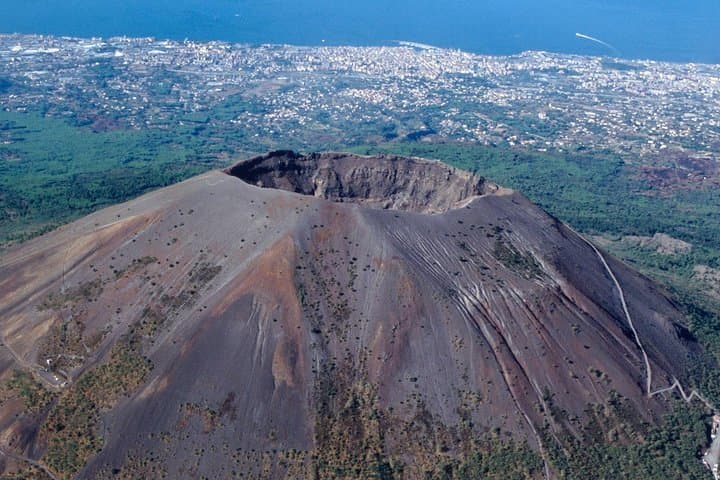
You step out of the air‑conditioned vehicle and the sulfur-tinged air of the Bay of Naples nudges you toward the mountain. Mt. Vesuvius rises above the coastline like a roughened crown; the trail to the crater is rocky and exposed, with Naples shrinking to a smear of rooftops below. After an hour at the rim—where steam and volcanic scree shape the walk—you return to streets that remember a different silence: the stone alleys of Herculaneum and the wide plazas of Pompeii.
Verified experiences and guided adventures in the surrounding area.
Operated by AmalfiDriver.com Tours & Transfers with Experience · Pompeii, Campania
You step out of the air‑conditioned vehicle and the sulfur-tinged air of the Bay of Naples nudges you toward the mountain. Mt. Vesuvius rises above the coastline like a roughened crown; the trail to the crater is rocky and exposed, with Naples shrinking to a smear of rooftops below. After an hour at the rim—where steam and volcanic scree shape the walk—you return to streets that remember a different silence: the stone alleys of Herculaneum and the wide plazas of Pompeii.
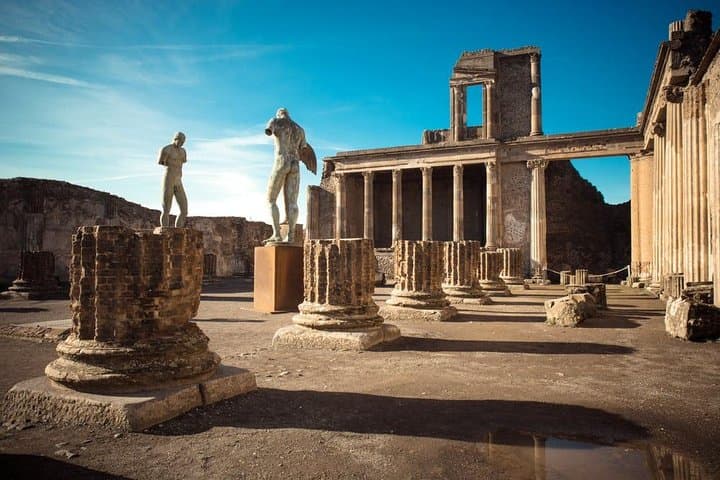
The region is defined by one catastrophic day in 79 AD when Vesuvius buried Roman towns under ash and pumice. Geologically young and still monitored, Vesuvius sits on the Apennine‑backed coastline; its eruption preserved frescoes, mosaics and daily life under mineral layers. Herculaneum offers well‑preserved wooden structures and upper‑class villas, while Pompeii’s forum, baths and plaster casts give a fuller civic portrait.
Culturally, the route threads working towns—Torre del Greco’s cameo workshops and Ercolano’s local bakeries—so expect glimpses of modern crafts alongside ancient ruins.
Practical guidance: buy the crater access ticket online before arrival; the ascent is uneven and often windy, so wear sturdy shoes and a wind layer. Bring at least 1–2 liters of water and sun protection; there’s limited shade. If you want depth, hire a licensed archaeological guide at the sites. Timing matters—start early to avoid the largest crowds and the midday sun. The day is a blend of short hikes, walking on archaeological surfaces, and seated transfer time—pack light, move deliberately, and let the landscape of fire and stone tell its story.
moderate.
8 hours.
Expect several hours of standing and walking on uneven ground; a moderate fitness level with steady mobility is recommended.
No—tickets for Mt. Vesuvius crater, Herculaneum and Pompeii are not included; the driver will advise how to purchase Vesuvius access online and you can buy site tickets ahead or on arrival depending on availability.
Expect multiple walking periods: a 30–60 minute ascent to the Vesuvius crater (uneven trail), about 90 minutes in Herculaneum, and roughly 2 hours in Pompeii, plus short walks between coach and sites.
Infants and small children can participate; strollers are possible in some flat areas but archaeological surfaces are often uneven—carriers or booster seats are available in the vehicle.
Yes—private licensed guides can be arranged and are recommended for deeper historical context; request one when booking or ask the driver on the day.
Mt. Vesuvius’s 79 AD eruption rapidly buried Herculaneum and Pompeii, preserving domestic life, artworks and civic structures beneath ash and carbonized material.
Both archaeological parks are protected sites with strict rules—stick to marked paths, avoid touching frescoes and support local conservation by using official guides and licensed vendors.
AmalfiDriver.com Tours & Transfers with Experience operates guided outdoor trips and adventures with an emphasis on safety, stewardship, and memorable experiences.

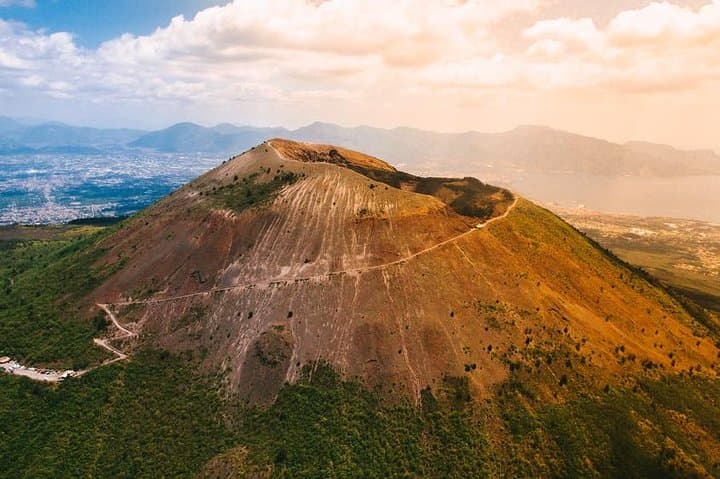
You step out of the air‑conditioned vehicle and the sulfur-tinged air of the Bay of Naples nudges you toward the mountain. Mt. Vesuvius rises above the coastline like a roughened crown; the trail to the crater is rocky and exposed, with Naples shrinking to a smear of rooftops below. After an hour at the rim—where steam and volcanic scree shape the walk—you return to streets that remember a different silence: the stone alleys of Herculaneum and the wide plazas of Pompeii.
You step out of the air‑conditioned vehicle and the sulfur-tinged air of the Bay of Naples nudges you toward the mountain. Mt. Vesuvius rises above the coastline like a roughened crown; the trail to the crater is rocky and exposed, with Naples shrinking to a smear of rooftops below. After an hour at the rim—where steam and volcanic scree shape the walk—you return to streets that remember a different silence: the stone alleys of Herculaneum and the wide plazas of Pompeii.
The region is defined by one catastrophic day in 79 AD when Vesuvius buried Roman towns under ash and pumice. Geologically young and still monitored, Vesuvius sits on the Apennine‑backed coastline; its eruption preserved frescoes, mosaics and daily life under mineral layers. Herculaneum offers well‑preserved wooden structures and upper‑class villas, while Pompeii’s forum, baths and plaster casts give a fuller civic portrait.
Culturally, the route threads working towns—Torre del Greco’s cameo workshops and Ercolano’s local bakeries—so expect glimpses of modern crafts alongside ancient ruins.
Practical guidance: buy the crater access ticket online before arrival; the ascent is uneven and often windy, so wear sturdy shoes and a wind layer. Bring at least 1–2 liters of water and sun protection; there’s limited shade. If you want depth, hire a licensed archaeological guide at the sites. Timing matters—start early to avoid the largest crowds and the midday sun. The day is a blend of short hikes, walking on archaeological surfaces, and seated transfer time—pack light, move deliberately, and let the landscape of fire and stone tell its story.