THE ADVENTURE COLLECTIVE® · Independent discovery and booking for outdoor travel

Join certified Volcanological Guides for a guided night hike on Mount Vesuvius. Enjoy illuminated coastal views of Naples, Sorrento and Capri while learning volcanic history and safety on a 3–4 hour route that avoids the crater rim.
Join certified Volcanological Guides for a guided night hike on Mount Vesuvius. Enjoy illuminated coastal views of Naples, Sorrento and Capri while learning volcanic history and safety on a 3–4 hour route that avoids the crater rim.
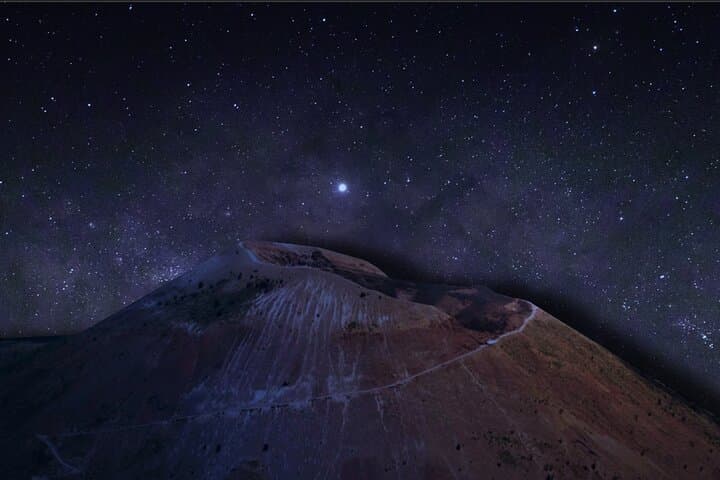
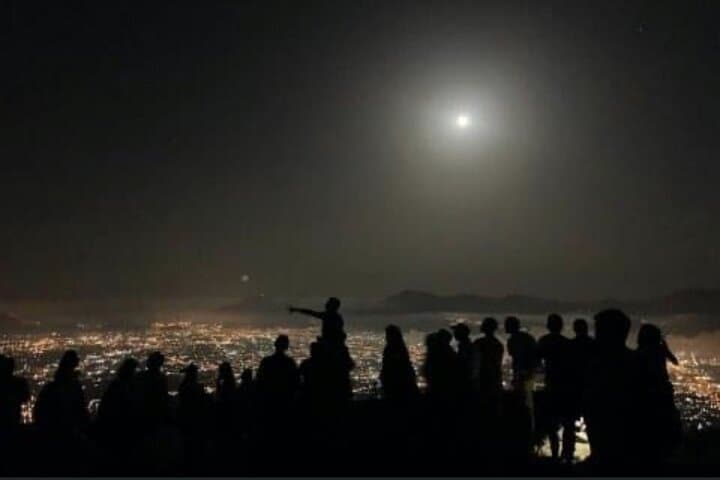
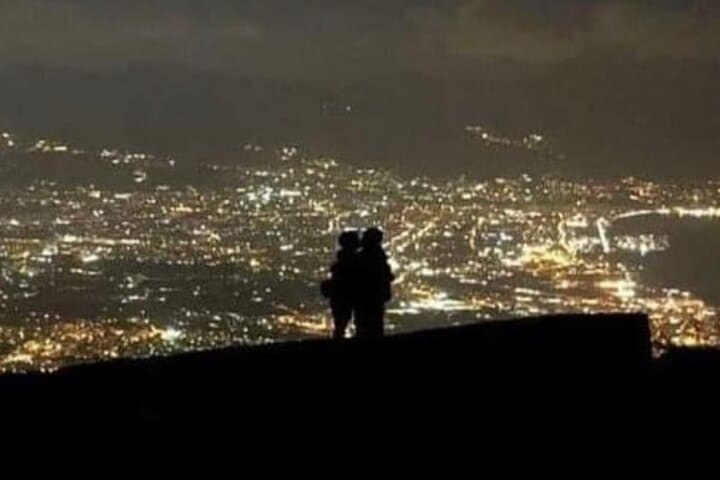
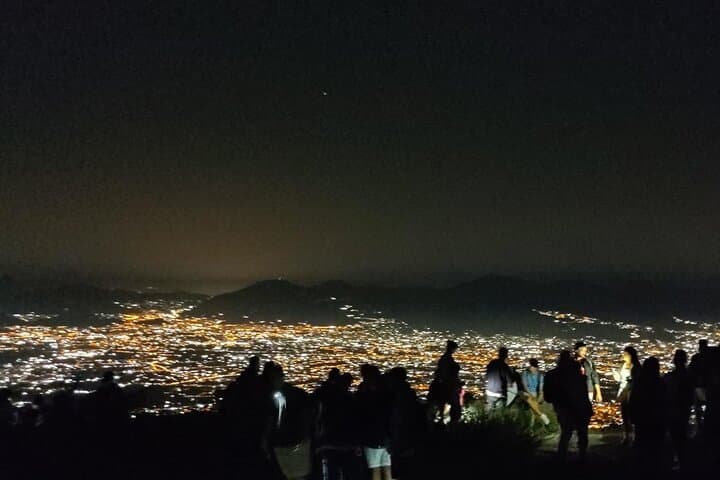
A cool wind from the Gulf of Naples pushes up the dark slope as stars prick the sky and the silhouette of Vesuvius looms above. On this night hike, guides from the Volcanological Service lead a compact group along the park tracks, pausing at rim-side viewpoints where Naples, Sorrento and Capri lie lit like a map below. The air smells of cooled lava and scrub; the trail crunches underfoot with volcanic ash that shifts with each step.
Verified experiences and guided adventures in the surrounding area.
Operated by Gennaro Balzano · Ercolano, Campania
A cool wind from the Gulf of Naples pushes up the dark slope as stars prick the sky and the silhouette of Vesuvius looms above. On this night hike, guides from the Volcanological Service lead a compact group along the park tracks, pausing at rim-side viewpoints where Naples, Sorrento and Capri lie lit like a map below. The air smells of cooled lava and scrub; the trail crunches underfoot with volcanic ash that shifts with each step.
Geology and history are constant companions here: Mount Vesuvius is the younger cone within the Somma–Vesuvius complex, the volcano responsible for the A.D. 79 eruptions that buried Pompeii and Herculaneum. Walkers learn eruption cycles, recent monitoring techniques and how the park manages this active landscape while standing on terraces cut through old lava flows. Local culture appears in simple ways — the port city lights, the small food tasting included in many tours, and village names that recall Roman and medieval eras.
Practically, expect a 3–4 hour outing mostly on well-worn volcanic paths (roughly 3–5 km total, about 150–300 m cumulative gain). The route avoids the crater rim but offers several panoramic stops, so bring a headlamp, warm layers and sturdy shoes. Guides recommend arriving by public transport or organized transfer; the park enforces trail preservation—stay on routes, carry out waste and respect restricted zones. Night conditions are colder and wind-exposed, so time your hike after dusk, check forecasts, and follow the volcanological guides’ safety briefings for a memorable, informed experience.
moderate.
3–4 hours.
Light to moderate fitness; comfortable walking on uneven volcanic ash and rock for several kilometers.
The tour is described as suitable for most fitness levels; you should be able to walk 3–5 km over uneven volcanic terrain with some elevation gain (roughly 150–300 m).
This particular route does not include access to the crater rim; it visits viewpoints and interpretive stops within Vesuvius National Park instead.
Meeting logistics vary by operator—public transport options exist, but many visitors use a pre-arranged transfer or taxi to the park meeting point; check your booking confirmation for specifics.
Guides are licensed volcanological professionals and provide safety briefings; follow their instructions, stay on marked routes and heed weather or access changes.
Vesuvius’ AD 79 eruption buried Roman towns like Pompeii and Herculaneum; the current Somma–Vesuvius complex formed through successive eruptions and collapses over millennia.
The route runs inside Vesuvius National Park, which manages visitor access and habitat protection—stay on trails, pack out waste and respect seasonal restrictions to limit erosion and disturbance.
Gennaro Balzano operates guided outdoor trips and adventures with an emphasis on safety, stewardship, and memorable experiences.
A cool wind from the Gulf of Naples pushes up the dark slope as stars prick the sky and the silhouette of Vesuvius looms above. On this night hike, guides from the Volcanological Service lead a compact group along the park tracks, pausing at rim-side viewpoints where Naples, Sorrento and Capri lie lit like a map below. The air smells of cooled lava and scrub; the trail crunches underfoot with volcanic ash that shifts with each step.
A cool wind from the Gulf of Naples pushes up the dark slope as stars prick the sky and the silhouette of Vesuvius looms above. On this night hike, guides from the Volcanological Service lead a compact group along the park tracks, pausing at rim-side viewpoints where Naples, Sorrento and Capri lie lit like a map below. The air smells of cooled lava and scrub; the trail crunches underfoot with volcanic ash that shifts with each step.
Geology and history are constant companions here: Mount Vesuvius is the younger cone within the Somma–Vesuvius complex, the volcano responsible for the A.D. 79 eruptions that buried Pompeii and Herculaneum. Walkers learn eruption cycles, recent monitoring techniques and how the park manages this active landscape while standing on terraces cut through old lava flows. Local culture appears in simple ways — the port city lights, the small food tasting included in many tours, and village names that recall Roman and medieval eras.
Practically, expect a 3–4 hour outing mostly on well-worn volcanic paths (roughly 3–5 km total, about 150–300 m cumulative gain). The route avoids the crater rim but offers several panoramic stops, so bring a headlamp, warm layers and sturdy shoes. Guides recommend arriving by public transport or organized transfer; the park enforces trail preservation—stay on routes, carry out waste and respect restricted zones. Night conditions are colder and wind-exposed, so time your hike after dusk, check forecasts, and follow the volcanological guides’ safety briefings for a memorable, informed experience.