THE ADVENTURE COLLECTIVE® · Independent discovery and booking for outdoor travel

Ride a Vespa from Phnom Penh to Koh Dach (Silk Island) for a market visit, silk-weaving demonstration, and a hands-on Khmer cooking class. This half-day tour blends village culture, riverside scenery, and the chance to learn Fish Amok from a local chef.
Ride a Vespa from Phnom Penh to Koh Dach (Silk Island) for a market visit, silk-weaving demonstration, and a hands-on Khmer cooking class. This half-day tour blends village culture, riverside scenery, and the chance to learn Fish Amok from a local chef.
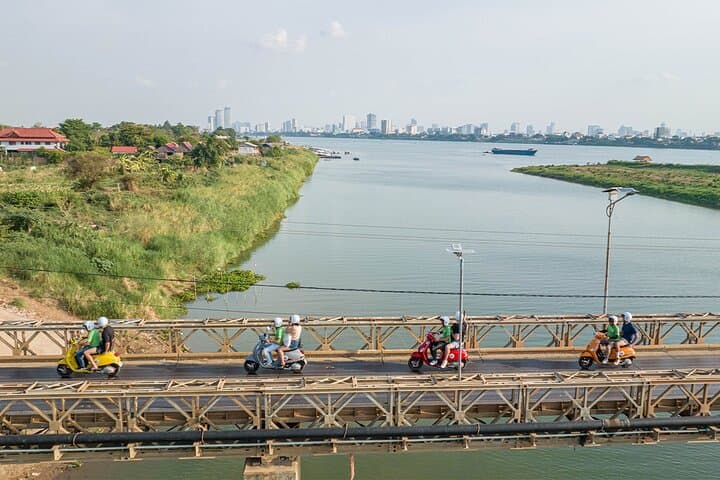
The Vespa hums through early-morning Phnom Penh as the city’s chaos thins and the Mekong widens ahead.
Verified experiences and guided adventures in the surrounding area.
Operated by Vespa Backstreet · Phnom Penh, Phnom Penh
The Vespa hums through early-morning Phnom Penh as the city’s chaos thins and the Mekong widens ahead.
You glide past riverside markets, rice paddies leaning toward the water, then board a short ferry to Koh Dach — Silk Island — where the tempo slows and artisans still work by hand. The first stop is a weaving house: looms click, dyed threads pass through practiced fingers, and a local weaver explains the island’s centuries-long silk craft. Nearby, tofu skin producers and a small Buddhist temple mark village life that has resisted hurry.
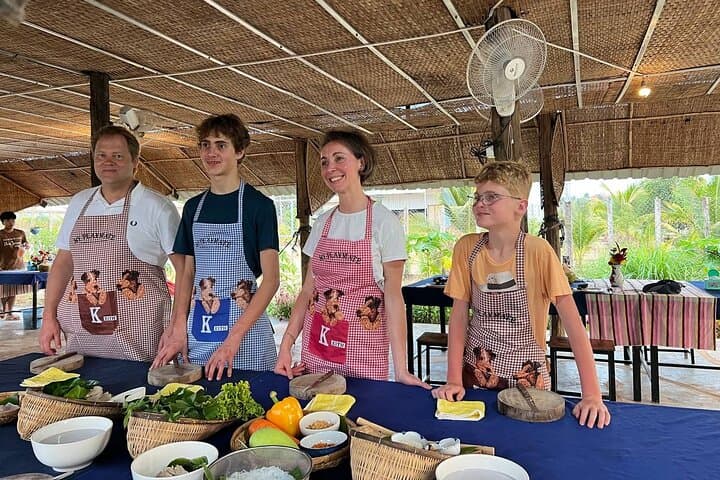
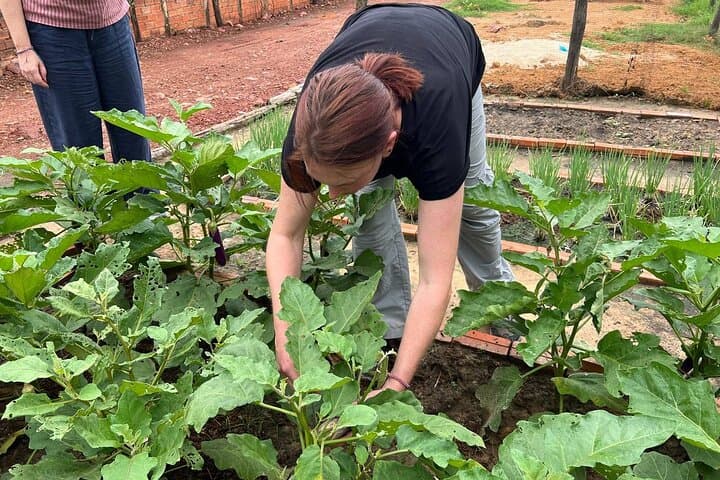
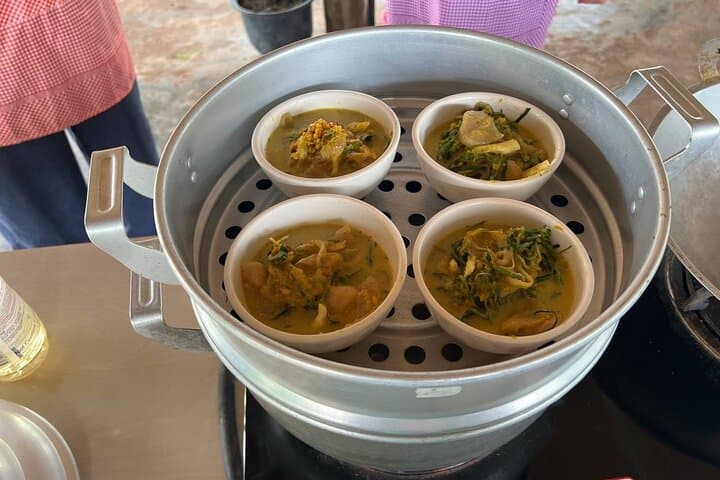
In the market, fish and herbs crowd wooden stalls. Under a shaded roof or in a garden kitchen, a Khmer chef leads a hands-on class: expect to prepare Fish Amok with coconut and kroeung, a crisp green mango salad, and a sweet banana dessert, then sit to eat what you’ve cooked with river views.
History is straightforward here — Koh Dach’s identity grew from riverside farming and textile craft tied to the Mekong’s flow. Geology matters too: the island’s alluvial soils support rice and mulberry trees for silk. Cultural insight comes from small interactions — bargaining for spices, watching a monk accept alms, learning how a family boils silk cocoons.
Practical edge: bring sun protection and modest clothing for temple visits, carry small local currency for souvenirs, and wear closed-toe shoes for uneven village paths. The tour runs about five hours, returning mid-afternoon — a compact blend of transport, culture, and hands-on Cambodian cooking.
easy.
5 hours.
Suitable for most fitness levels; involves short walks, standing during the cooking class, and light ferry and Vespa travel.
No — the class is hands-on and designed for beginners; the chef will guide each step.
Yes — an experienced driver and guide handle the Vespa; passengers should hold on and wear provided helmets if available.
Most operators can accommodate common dietary needs if informed at booking; notify them ahead of time via the booking questions.
The ferry crossing is short — typically 10–20 minutes depending on the landing point and river conditions.
Koh Dach has been known for silk weaving for generations; family-run looms keep traditional patterns and techniques alive.
Tourism here directly supports artisan livelihoods; minimize plastic use, buy directly from makers, and stick to marked paths to reduce erosion.
Vespa Backstreet operates guided outdoor trips and adventures with an emphasis on safety, stewardship, and memorable experiences.
The Vespa hums through early-morning Phnom Penh as the city’s chaos thins and the Mekong widens ahead.
The Vespa hums through early-morning Phnom Penh as the city’s chaos thins and the Mekong widens ahead.
You glide past riverside markets, rice paddies leaning toward the water, then board a short ferry to Koh Dach — Silk Island — where the tempo slows and artisans still work by hand. The first stop is a weaving house: looms click, dyed threads pass through practiced fingers, and a local weaver explains the island’s centuries-long silk craft. Nearby, tofu skin producers and a small Buddhist temple mark village life that has resisted hurry.
In the market, fish and herbs crowd wooden stalls. Under a shaded roof or in a garden kitchen, a Khmer chef leads a hands-on class: expect to prepare Fish Amok with coconut and kroeung, a crisp green mango salad, and a sweet banana dessert, then sit to eat what you’ve cooked with river views.
History is straightforward here — Koh Dach’s identity grew from riverside farming and textile craft tied to the Mekong’s flow. Geology matters too: the island’s alluvial soils support rice and mulberry trees for silk. Cultural insight comes from small interactions — bargaining for spices, watching a monk accept alms, learning how a family boils silk cocoons.
Practical edge: bring sun protection and modest clothing for temple visits, carry small local currency for souvenirs, and wear closed-toe shoes for uneven village paths. The tour runs about five hours, returning mid-afternoon — a compact blend of transport, culture, and hands-on Cambodian cooking.