THE ADVENTURE COLLECTIVE® · Independent discovery and booking for outdoor travel

Spend a full day on Vespa through Angkor Archaeological Park, seeing Ta Prohm, Bayon, Angkor Thom and Angkor Wat with an English-speaking guide. This full-day tour combines relaxed riding, off-the-beaten-path trails, and a local lunch.
Spend a full day on Vespa through Angkor Archaeological Park, seeing Ta Prohm, Bayon, Angkor Thom and Angkor Wat with an English-speaking guide. This full-day tour combines relaxed riding, off-the-beaten-path trails, and a local lunch.
Morning light slices through banyan roots as a Vespa idles at the edge of the ancient causeway — rubber and stone meet history. Riders set off from Siem Reap, engines low and steady, threading quiet service lanes into the wide reach of Angkor Archaeological Park. The day unfolds as a moving viewpoint: Ta Prohm’s tree-wrapped ruins, the marching faces of Bayon, the embossed terraces of Angkor Thom, and the monumental silhouette of Angkor Wat at dawn or late afternoon when shadows sharpen relief.
Verified experiences and guided adventures in the surrounding area.
Operated by Vespa Backstreet · Siem Reap, Siem Reap Province
Morning light slices through banyan roots as a Vespa idles at the edge of the ancient causeway — rubber and stone meet history. Riders set off from Siem Reap, engines low and steady, threading quiet service lanes into the wide reach of Angkor Archaeological Park. The day unfolds as a moving viewpoint: Ta Prohm’s tree-wrapped ruins, the marching faces of Bayon, the embossed terraces of Angkor Thom, and the monumental silhouette of Angkor Wat at dawn or late afternoon when shadows sharpen relief.
This landscape is carved from uplifted sandstone and laterite, a product of Khmer craftsmanship and monsoon-fed rivers rearranging the ground. Angkor was the Khmer Empire’s heart from the 9th to the 15th century, its temples designed as cosmological maps; guides translate iconography into stories of kings, gods, and irrigation that shaped rice economies. Between temples, riders glimpse everyday modern Cambodia — small farms, community tourism hubs, and the occasional water buffalo grazing along canal banks.
Practical planning matters: the tour runs roughly eight hours with hotel pickup, includes snacks, lunch, water, and a local English-speaking guide; Angkor Park entrance fee is separate and should be purchased in advance. Wear breathable long sleeves for sun and temple etiquette, closed-toe shoes for walking, and bring sunscreen and insect repellent. Expect unpaved sidetracks and short walks; helmets are used on Vespas. Time your visit for early morning cool or late afternoon light to avoid the worst sun and crowds. With a sensible pack and steady attention to traffic and footpaths, this Vespa loop turns a day of temples into a continuous, kinetic study of history, geology, and contemporary Khmer life.
easy.
8 hours.
Light fitness; able to mount/dismount a scooter and walk short uneven stretches
No — the Angkor Archaeological Park ticket is not included; buy your single- or multi-day pass at the official ticket center before starting the tour.
Yes, helmets and an experienced driver are provided; if you have a preferred helmet size bring a personal one for comfort.
Children can join but check local age or height restrictions and ensure child seats or safe seating are available if needed.
The operator may cancel for heavy rain; check the cancellation policy for full refund details and bring a lightweight rain layer in the wet season.
Angkor was the political and religious center of the Khmer Empire from the 9th to 15th centuries; temples are aligned with cosmological and hydraulic systems that supported large-scale rice cultivation.
Visitor pressure and weathering threaten sandstone reliefs; stick to marked paths, avoid touching carvings, and support community-run projects that fund site stewardship.
Vespa Backstreet operates guided outdoor trips and adventures with an emphasis on safety, stewardship, and memorable experiences.
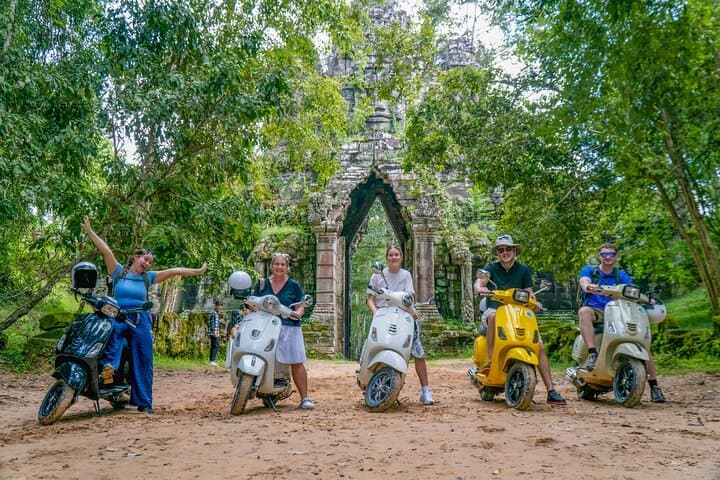
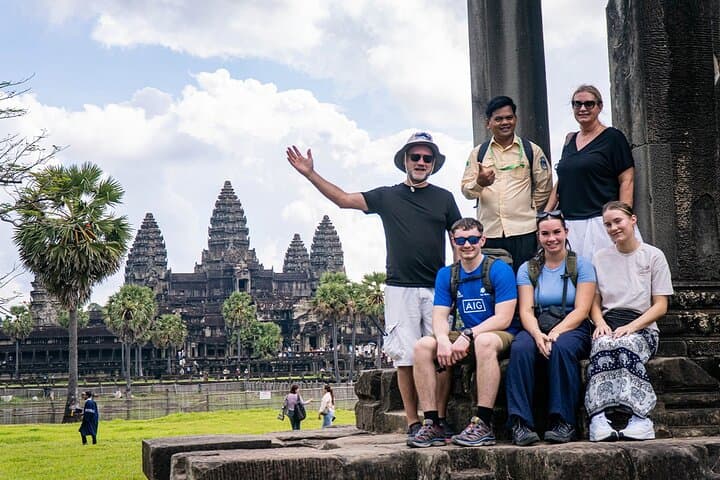
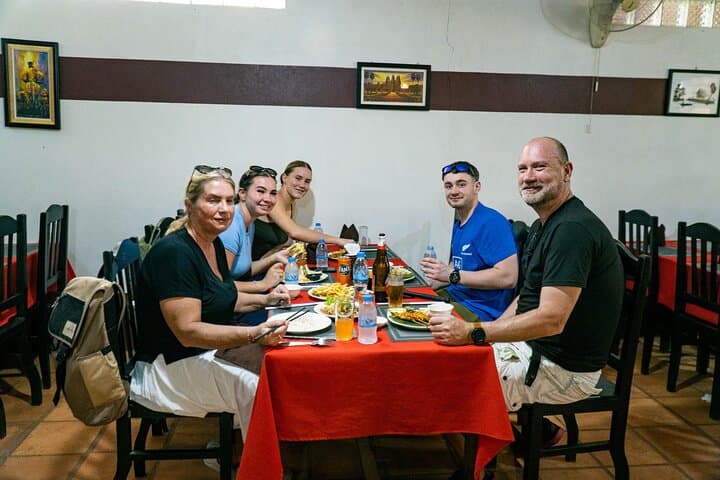
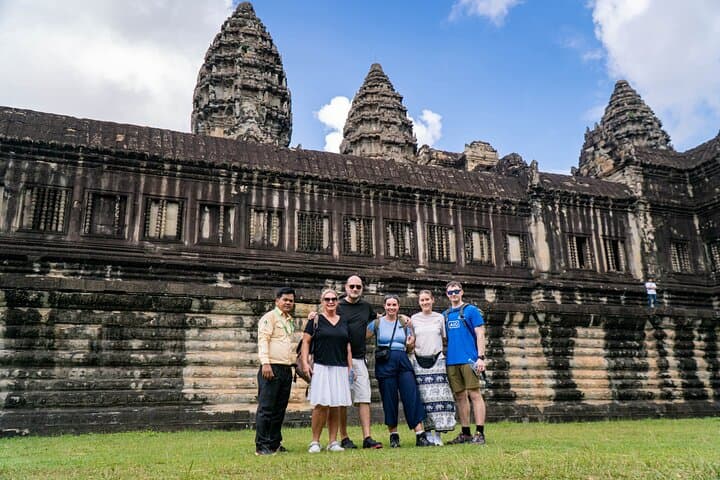
Morning light slices through banyan roots as a Vespa idles at the edge of the ancient causeway — rubber and stone meet history. Riders set off from Siem Reap, engines low and steady, threading quiet service lanes into the wide reach of Angkor Archaeological Park. The day unfolds as a moving viewpoint: Ta Prohm’s tree-wrapped ruins, the marching faces of Bayon, the embossed terraces of Angkor Thom, and the monumental silhouette of Angkor Wat at dawn or late afternoon when shadows sharpen relief.
Morning light slices through banyan roots as a Vespa idles at the edge of the ancient causeway — rubber and stone meet history. Riders set off from Siem Reap, engines low and steady, threading quiet service lanes into the wide reach of Angkor Archaeological Park. The day unfolds as a moving viewpoint: Ta Prohm’s tree-wrapped ruins, the marching faces of Bayon, the embossed terraces of Angkor Thom, and the monumental silhouette of Angkor Wat at dawn or late afternoon when shadows sharpen relief.
This landscape is carved from uplifted sandstone and laterite, a product of Khmer craftsmanship and monsoon-fed rivers rearranging the ground. Angkor was the Khmer Empire’s heart from the 9th to the 15th century, its temples designed as cosmological maps; guides translate iconography into stories of kings, gods, and irrigation that shaped rice economies. Between temples, riders glimpse everyday modern Cambodia — small farms, community tourism hubs, and the occasional water buffalo grazing along canal banks.
Practical planning matters: the tour runs roughly eight hours with hotel pickup, includes snacks, lunch, water, and a local English-speaking guide; Angkor Park entrance fee is separate and should be purchased in advance. Wear breathable long sleeves for sun and temple etiquette, closed-toe shoes for walking, and bring sunscreen and insect repellent. Expect unpaved sidetracks and short walks; helmets are used on Vespas. Time your visit for early morning cool or late afternoon light to avoid the worst sun and crowds. With a sensible pack and steady attention to traffic and footpaths, this Vespa loop turns a day of temples into a continuous, kinetic study of history, geology, and contemporary Khmer life.