THE ADVENTURE COLLECTIVE® · Independent discovery and booking for outdoor travel

See Rome by Vespa sidecar on a brisk 90-minute loop that hits the Colosseum, Trevi Fountain, Pantheon and St. Peter’s Square. Fast, narrated, and ideal for travelers who want a vivid orientation to the Eternal City.
See Rome by Vespa sidecar on a brisk 90-minute loop that hits the Colosseum, Trevi Fountain, Pantheon and St. Peter’s Square. Fast, narrated, and ideal for travelers who want a vivid orientation to the Eternal City.
You settle into the leather sidecar, the engine purring low, and the city unfurls: cobblestones flash past, domes puncture the skyline, and the Tiber slides alongside like a silver ribbon daring you to look away.
Verified experiences and guided adventures in the surrounding area.
Operated by Luxurbe · Rome, Lazio
You settle into the leather sidecar, the engine purring low, and the city unfurls: cobblestones flash past, domes puncture the skyline, and the Tiber slides alongside like a silver ribbon daring you to look away.
This 90-minute loop stitches together Rome’s layers — Imperial stone at the Colosseum, Baroque flourish at the Trevi Fountain, and Renaissance order at St. Peter’s Square. The route traces arteries carved by centuries of urban growth; piazzas once used for markets now frame monuments to power and faith. The city’s geology — travertine and tufa-scarred hills — gives roofs and facades their ochre warmth, while Bernini and Michelangelo left a human scale to grand spaces.
Culturally, expect commentary laced with local lore: who commissioned which fountain, why a particular alley bears a saint’s name, and how Rome’s neighborhoods earned their characters. The final climb to Gianicolo Hill rewards with a panorama that reorients you: domes and chimneys, satellite dishes and ancient columns in the same gaze.
Practically, the tour is fast-paced but accessible. Certified helmets and earphones for guide narration are provided; photo stops are short and staged for easy exits from the sidecar. Traffic and city events can alter timing, so morning departures avoid peak crowds. Dress in layers and secure loose scarves; bring a compact camera and small bag that zips. If you want closer looks at interiors like the Pantheon, plan a separate visit — the sidecar is built for circulation and storytelling, not museum entry.
By the time you step off, Rome feels both readable and restless — a city that invites repeat visits with different maps.
easy.
1.5 hours.
Suitable for all fitness levels; ability to get in/out of a low sidecar seat is required
Yes; the tour notes it’s suitable for all fitness levels, but operators may have age or height minimums — check booking requirements.
Yes, certified helmets and earphones for the guide commentary are provided for passengers.
No — the sidecar tour includes exterior/photo stops; plan separate visits for interior access and timed entries.
The operator may cancel for bad weather with full refunds if within their policy window; dress in layers and check the forecast before departure.
Many stops trace Rome’s imperial and papal history — the Colosseum and nearby Forum mark ancient civic life, while St. Peter’s and surrounding Vatican buildings reflect Renaissance and Baroque papal power.
Rome’s heavy tourist traffic concentrates wear on historic stone and fountains; visitors are encouraged to follow marked paths, avoid touching ancient masonry, and use designated waste bins.
Luxurbe operates guided outdoor trips and adventures with an emphasis on safety, stewardship, and memorable experiences.
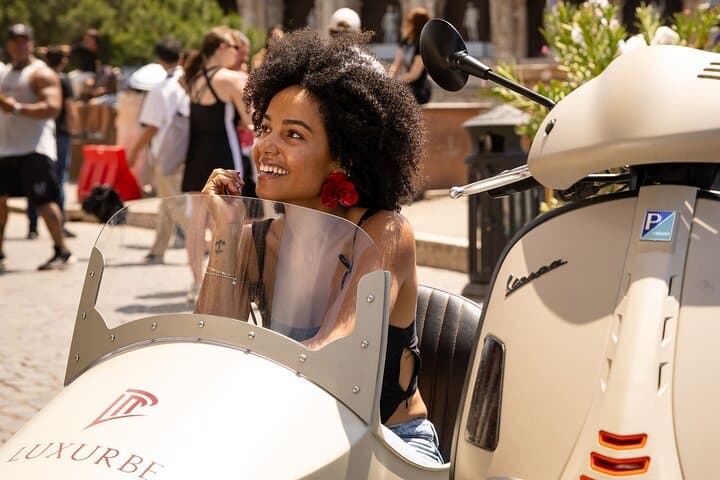
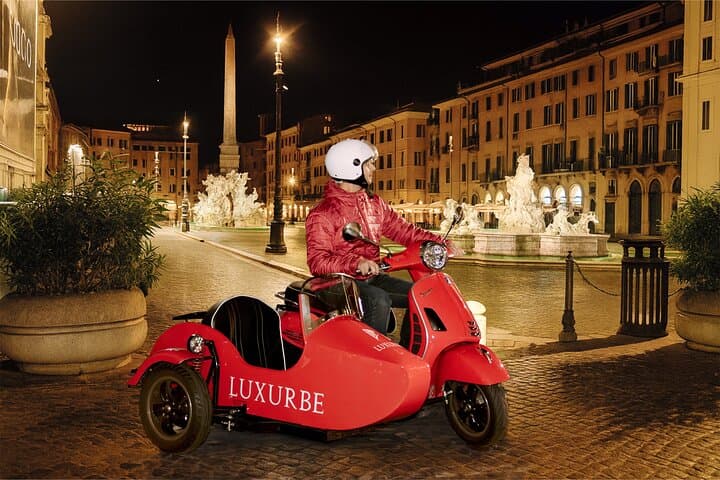
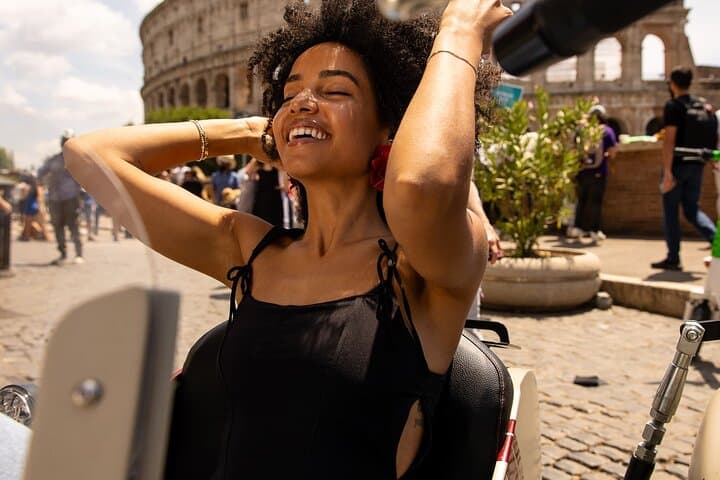
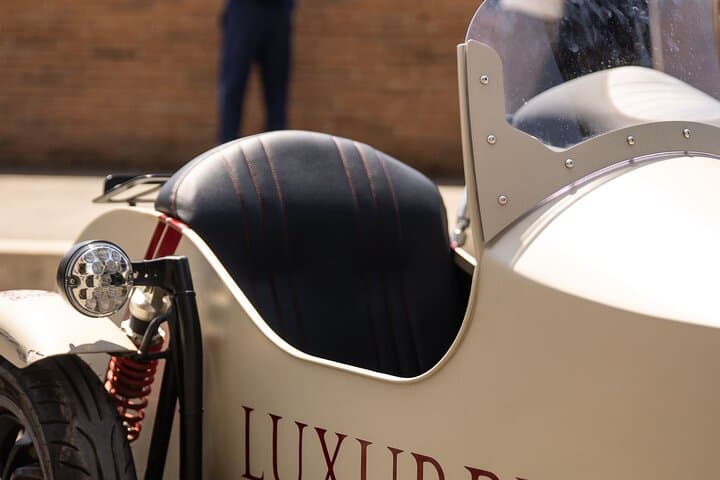
You settle into the leather sidecar, the engine purring low, and the city unfurls: cobblestones flash past, domes puncture the skyline, and the Tiber slides alongside like a silver ribbon daring you to look away.
You settle into the leather sidecar, the engine purring low, and the city unfurls: cobblestones flash past, domes puncture the skyline, and the Tiber slides alongside like a silver ribbon daring you to look away.
This 90-minute loop stitches together Rome’s layers — Imperial stone at the Colosseum, Baroque flourish at the Trevi Fountain, and Renaissance order at St. Peter’s Square. The route traces arteries carved by centuries of urban growth; piazzas once used for markets now frame monuments to power and faith. The city’s geology — travertine and tufa-scarred hills — gives roofs and facades their ochre warmth, while Bernini and Michelangelo left a human scale to grand spaces.
Culturally, expect commentary laced with local lore: who commissioned which fountain, why a particular alley bears a saint’s name, and how Rome’s neighborhoods earned their characters. The final climb to Gianicolo Hill rewards with a panorama that reorients you: domes and chimneys, satellite dishes and ancient columns in the same gaze.
Practically, the tour is fast-paced but accessible. Certified helmets and earphones for guide narration are provided; photo stops are short and staged for easy exits from the sidecar. Traffic and city events can alter timing, so morning departures avoid peak crowds. Dress in layers and secure loose scarves; bring a compact camera and small bag that zips. If you want closer looks at interiors like the Pantheon, plan a separate visit — the sidecar is built for circulation and storytelling, not museum entry.
By the time you step off, Rome feels both readable and restless — a city that invites repeat visits with different maps.