THE ADVENTURE COLLECTIVE® · Independent discovery and booking for outdoor travel

Climb 230 metres of near-vertical limestone on the Ponoig Via Ferrata outside Polop. This half-day guided outing offers sustained exposure, a technical rappel descent, and sweeping views toward Benidorm and the Mediterranean.
Climb 230 metres of near-vertical limestone on the Ponoig Via Ferrata outside Polop. This half-day guided outing offers sustained exposure, a technical rappel descent, and sweeping views toward Benidorm and the Mediterranean.
The cliff waits like a daring invitation: a sheer limestone face rising above Polop, its metal staples glinting where hands and feet find purchase. You clip in at the base, look up at 230 metres of mostly vertical terrain and feel the rock, not as a wall but as a route that will push your focus and calm your breaths.
Verified experiences and guided adventures in the surrounding area.
Operated by Alicante Aventura · Polop, Alicante
The cliff waits like a daring invitation: a sheer limestone face rising above Polop, its metal staples glinting where hands and feet find purchase. You clip in at the base, look up at 230 metres of mostly vertical terrain and feel the rock, not as a wall but as a route that will push your focus and calm your breaths.
Peña Ponoig is carved from Alicante’s ancient carbonate platform—steep faces formed by uplift and erosion are common here, offering compact, pocketed limestone that grips boots and bites into fingertips. Polop’s history runs along the valley below: Moorish terraces, shepherd tracks and a medieval center that once watched the sea routes toward the Mediterranean. On a clear day the summit, León Dormido, frames Benidorm’s coastline, a stark contrast of stone and blue.
The via ferrata itself is split into two vertical sectors with close-set staples; rated K4, climbs are continuous with few rest spots. Dynamic elements are minimal—no hanging bridges—but the route demands steady arms, core tension and composure with exposure. The descent is technical: rappelling back down rather than a stroll.
Practical guidance: plan 3–4 hours for approach, climb and descent; bring sun protection and layered wind shell; gloves that protect against metal and rope burn are useful. Guides supply harness, helmet and via-ferrata kit and handle the technical rigging—still, moderate fitness and comfort with heights are required. Start early to avoid heat and expect clear high-angle views at the top. Treat anchors and bolts respectfully and leave no trace: this is a compact, intense slice of Alicante climbing that rewards focus and steady movement.
challenging.
3–4 hours.
Moderate to fit: sustained upper-body effort, good balance and no severe vertigo; expect continuous climbing with few rests.
K4 indicates sustained vertical exposure with athletic moves; it’s physically demanding but achievable with a guide and moderate fitness.
No technical climbing background is required if you join a guided trip, but participants should be comfortable with heights and continuous arm work.
Unlike some via ferratas, Ponoig requires rappelling for descent—guides provide the ropes and manage the rappels for safety.
Certified guides supply all technical gear and instruction; beginners can participate if they meet health/fitness requirements and are not prone to severe vertigo.
Peña Ponoig’s cliffs are part of Alicante’s limestone belt; nearby Polop bears medieval and Moorish influences with old agricultural terraces carved into the hillsides.
Stay clipped to marked cables, avoid hammering or stressing anchors, and pack out all waste—local populations rely on low-impact visitation to preserve nesting raptors and fragile scrubland.
Alicante Aventura operates guided outdoor trips and adventures with an emphasis on safety, stewardship, and memorable experiences.
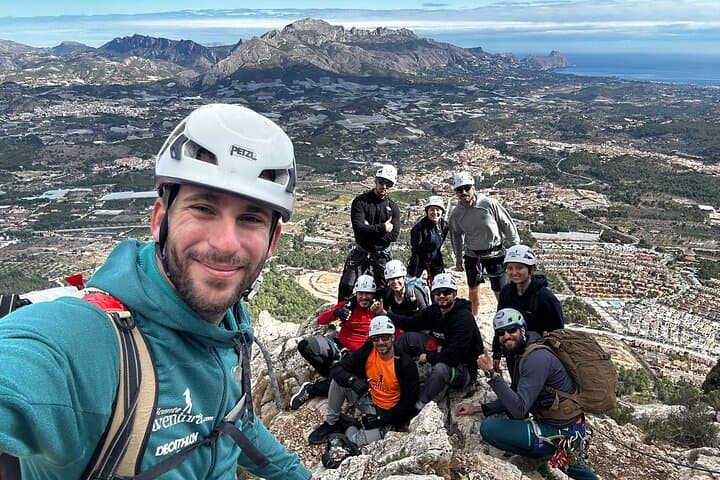
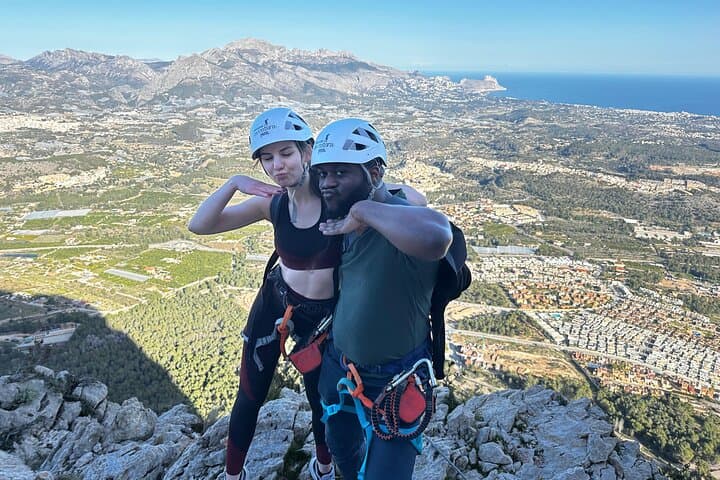
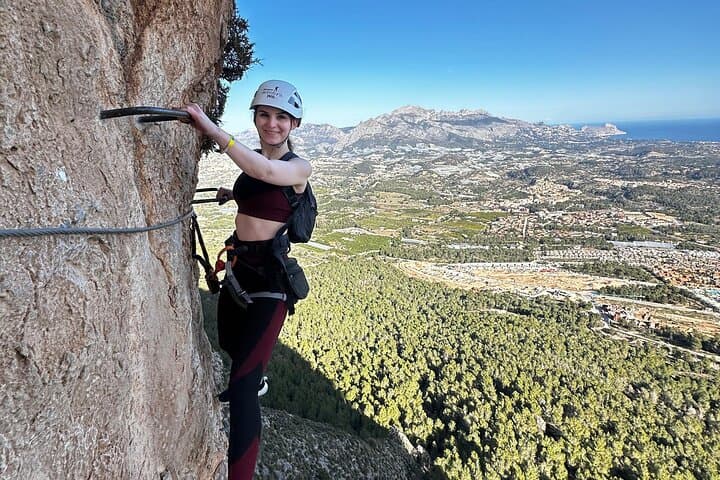
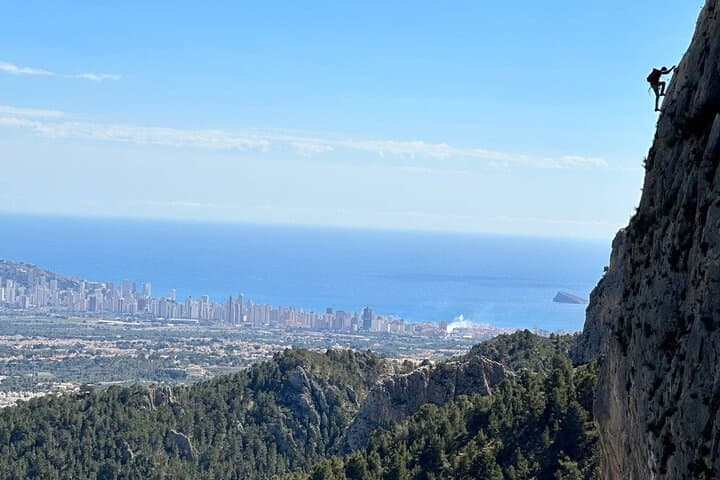
The cliff waits like a daring invitation: a sheer limestone face rising above Polop, its metal staples glinting where hands and feet find purchase. You clip in at the base, look up at 230 metres of mostly vertical terrain and feel the rock, not as a wall but as a route that will push your focus and calm your breaths.
The cliff waits like a daring invitation: a sheer limestone face rising above Polop, its metal staples glinting where hands and feet find purchase. You clip in at the base, look up at 230 metres of mostly vertical terrain and feel the rock, not as a wall but as a route that will push your focus and calm your breaths.
Peña Ponoig is carved from Alicante’s ancient carbonate platform—steep faces formed by uplift and erosion are common here, offering compact, pocketed limestone that grips boots and bites into fingertips. Polop’s history runs along the valley below: Moorish terraces, shepherd tracks and a medieval center that once watched the sea routes toward the Mediterranean. On a clear day the summit, León Dormido, frames Benidorm’s coastline, a stark contrast of stone and blue.
The via ferrata itself is split into two vertical sectors with close-set staples; rated K4, climbs are continuous with few rest spots. Dynamic elements are minimal—no hanging bridges—but the route demands steady arms, core tension and composure with exposure. The descent is technical: rappelling back down rather than a stroll.
Practical guidance: plan 3–4 hours for approach, climb and descent; bring sun protection and layered wind shell; gloves that protect against metal and rope burn are useful. Guides supply harness, helmet and via-ferrata kit and handle the technical rigging—still, moderate fitness and comfort with heights are required. Start early to avoid heat and expect clear high-angle views at the top. Treat anchors and bolts respectfully and leave no trace: this is a compact, intense slice of Alicante climbing that rewards focus and steady movement.