THE ADVENTURE COLLECTIVE® · Independent discovery and booking for outdoor travel

A timed-entry ticket to the Palace of Versailles lets you move through the Hall of Mirrors, royal apartments and vast formal gardens at your own pace. This guide covers what to expect, how to plan your visit and practical tips to make the most of your time on the estate.
A timed-entry ticket to the Palace of Versailles lets you move through the Hall of Mirrors, royal apartments and vast formal gardens at your own pace. This guide covers what to expect, how to plan your visit and practical tips to make the most of your time on the estate.
Imagine stepping off a slow suburban train into a courtyard where stone steps lead to gilded mirrors and chandeliers that once watched the court of Louis XIV. The Palace of Versailles pulls you from modern Paris into an ordered world of marble floors, carved ceilings and gardens that extend to the horizon.
Verified experiences and guided adventures in the surrounding area.
Operated by WORLD PASS TOUR PARIS · Versailles, Île-de-France
Imagine stepping off a slow suburban train into a courtyard where stone steps lead to gilded mirrors and chandeliers that once watched the court of Louis XIV. The Palace of Versailles pulls you from modern Paris into an ordered world of marble floors, carved ceilings and gardens that extend to the horizon.
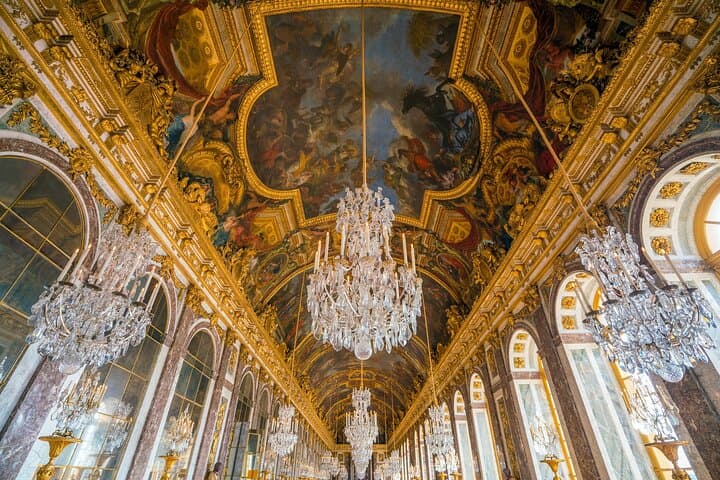
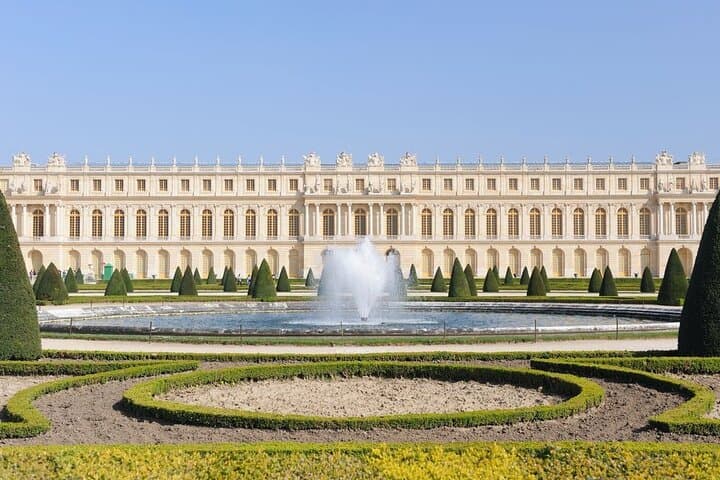
The palace began as a 17th-century hunting lodge and expanded under Louis XIV into a seat of absolute monarchy; its Hall of Mirrors, the Grand Apartments and the private rooms of the Queen reveal political theatre carved in gold and glass. Beneath the pomp are practical layers: the palace sits on reclaimed marsh and flattened plateaus that allowed engineers to lay out axial gardens, fountains and the Grand Canal — a geometric landscape that defined French formal gardens.
Visitors commonly pair the palace interiors with a circuit through the Trianons and the Queen’s Hamlet, quieter corners built for private retreat. The estate’s scale makes pacing essential: marble halls demand steady footsteps, the garden paths encourage long lines of sight, and fountains choreograph the experience in summer displays.
Practical guidance: book a timed-entry ticket to limit wait at admission but expect security screening. Arrive early to catch cooler light on the facades and to reserve time for the Trianons. Wear supportive shoes for stone and gravel; bring a refillable bottle — there are cafés but long lines at peak hours. Take the RER C to Versailles Château–Rive Gauche or a short TER from Montparnasse; allow two to three hours for a focused visit, half a day to include gardens and Trianon estates.
easy.
2–3 hours.
Suitable for most fitness levels; requires walking and standing for extended periods.
Timed-entry tickets grant access to the Palace, temporary exhibitions and the Park; access to the Trianons and Marie-Antoinette’s Hamlet may require additional time in your schedule but are included in general admission on most ticket types.
Yes — the RER C to Versailles Château–Rive Gauche is the closest station (about a 10–15 minute walk). Some TER and SNCF services from Montparnasse also stop nearby.
Many main areas and surfaces are wheelchair accessible, and there are accessible routes across parts of the estate; check specific access points ahead of your visit and allow extra time for routing and security.
Multimedia and audio guides are typically available and helpful for context; they enhance the visit but you can also explore independently if you prefer.
Originally a royal hunting lodge expanded into a seat of absolute monarchy by Louis XIV; Versailles became a diplomatic stage where French court culture was formalized.
The estate is managed with active restoration programs and seasonal visitor limits for fountain operations; stay on designated paths to protect historic lawns and engineered waterworks.
WORLD PASS TOUR PARIS operates guided outdoor trips and adventures with an emphasis on safety, stewardship, and memorable experiences.
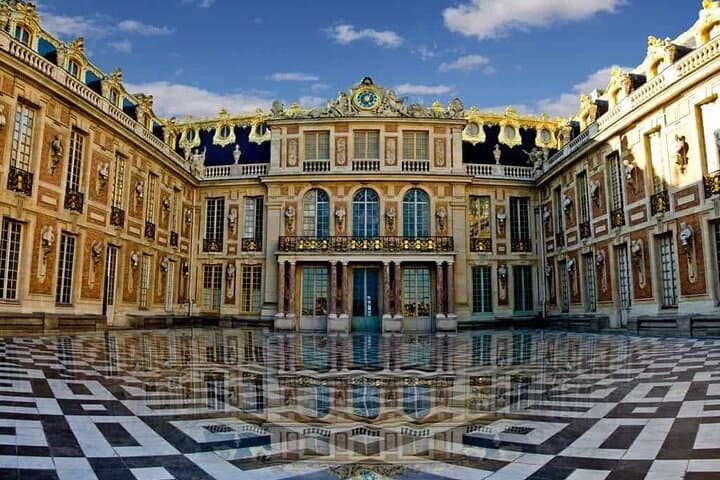
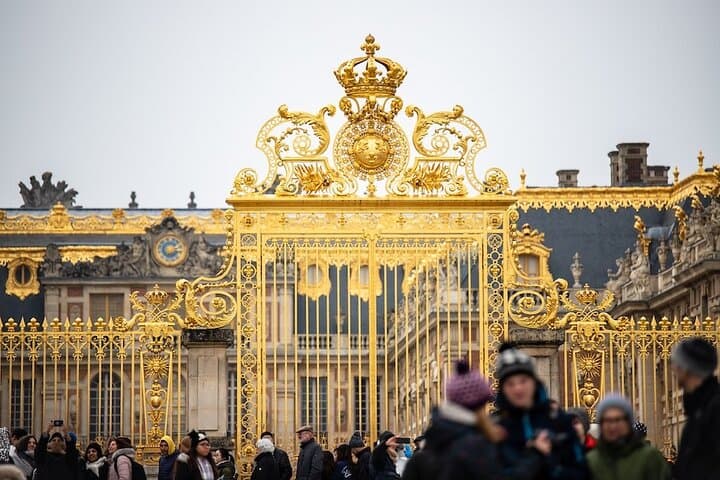
Imagine stepping off a slow suburban train into a courtyard where stone steps lead to gilded mirrors and chandeliers that once watched the court of Louis XIV. The Palace of Versailles pulls you from modern Paris into an ordered world of marble floors, carved ceilings and gardens that extend to the horizon.
Imagine stepping off a slow suburban train into a courtyard where stone steps lead to gilded mirrors and chandeliers that once watched the court of Louis XIV. The Palace of Versailles pulls you from modern Paris into an ordered world of marble floors, carved ceilings and gardens that extend to the horizon.
The palace began as a 17th-century hunting lodge and expanded under Louis XIV into a seat of absolute monarchy; its Hall of Mirrors, the Grand Apartments and the private rooms of the Queen reveal political theatre carved in gold and glass. Beneath the pomp are practical layers: the palace sits on reclaimed marsh and flattened plateaus that allowed engineers to lay out axial gardens, fountains and the Grand Canal — a geometric landscape that defined French formal gardens.
Visitors commonly pair the palace interiors with a circuit through the Trianons and the Queen’s Hamlet, quieter corners built for private retreat. The estate’s scale makes pacing essential: marble halls demand steady footsteps, the garden paths encourage long lines of sight, and fountains choreograph the experience in summer displays.
Practical guidance: book a timed-entry ticket to limit wait at admission but expect security screening. Arrive early to catch cooler light on the facades and to reserve time for the Trianons. Wear supportive shoes for stone and gravel; bring a refillable bottle — there are cafés but long lines at peak hours. Take the RER C to Versailles Château–Rive Gauche or a short TER from Montparnasse; allow two to three hours for a focused visit, half a day to include gardens and Trianon estates.