THE ADVENTURE COLLECTIVE® · Independent discovery and booking for outdoor travel

Skip the long queues and step directly into the gilded rooms and engineered gardens of Versailles. This guide explains what to expect, how long to plan, and practical tips for combining palace and garden access.
Skip the long queues and step directly into the gilded rooms and engineered gardens of Versailles. This guide explains what to expect, how long to plan, and practical tips for combining palace and garden access.
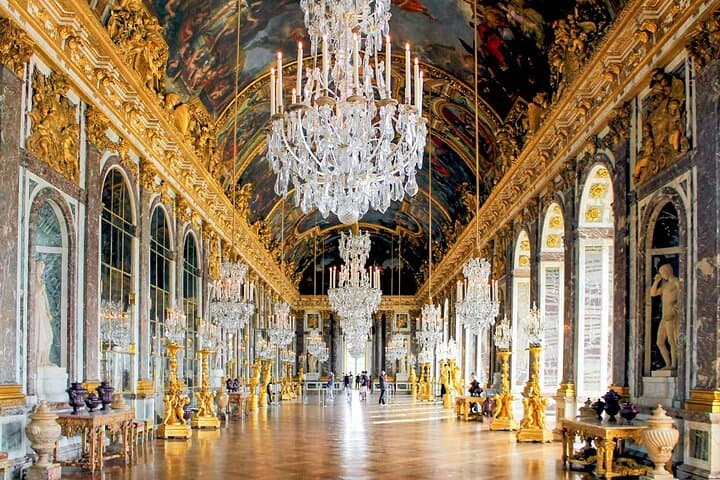
A late-morning light pours across the Hall of Mirrors, setting the gilded frames and chandeliers alive as visitors move through in quiet amazement.
Verified experiences and guided adventures in the surrounding area.
Operated by My Travelons Ltd · Versailles, Île-de-France
A late-morning light pours across the Hall of Mirrors, setting the gilded frames and chandeliers alive as visitors move through in quiet amazement.
The Palace of Versailles reads like a ledger of French royal ambition: Louis XIV moved his court here in 1682, reshaping a hunting lodge into the seat of power. The stone and stucco reflect baroque ideals while the gardens, engineered across the flat Seine plain, reorder water and trees into lines and perspectives that extend the palace’s reach.
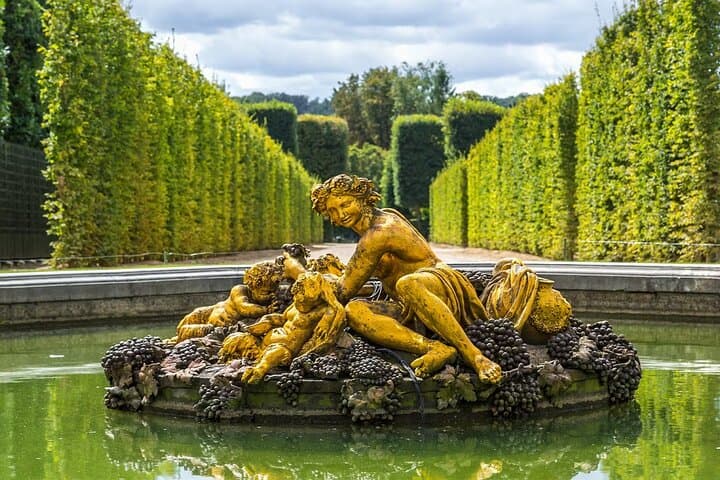
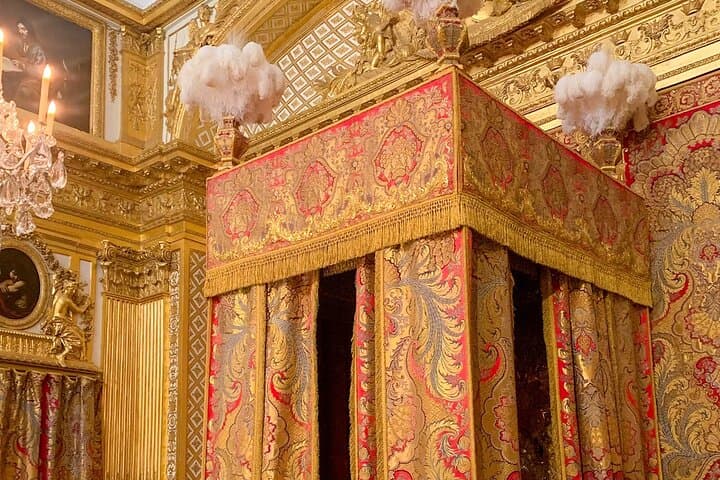
Culturally, Versailles is both stage and archive—state apartments that hosted ceremonies, the Hall of Mirrors where treaties and scandals unfolded, and the Petit Trianon where private life contrasted with court ritual. The Grand Canal and fountain systems are feats of hydraulic engineering; fountains still pulse on scheduled days, a reminder that the grounds are living infrastructure.
Practical guidance: a standard visit lasts about 60–120 minutes; plan for security screening and moderate walking on stone floors and gravel paths. Audio guides clarify room histories and the garden layout. If you add garden access, build extra time for the Grand Trianon, the Petit Trianon, and the Queen’s Hamlet—these quieter pockets reward slower pacing.
Timing matters: arrive early to avoid peak tour groups, or visit late afternoon when light softens the façade. Bring comfortable shoes, a weatherproof layer, and a refillable water bottle—services exist on-site, but queues for refreshments can be long.
Respect the site: stick to marked paths in the gardens, follow signage around fountain schedules, and purchase tickets in advance to minimize wait times and reduce peak congestion.
easy.
1–2 hours.
Suitable for people of most fitness levels; involves walking and standing on uneven surfaces for extended periods
Some tickets include both palace entry and garden access; confirm your selection since garden entry may be optional or dependent on fountain schedules.
Timed tickets and certain options reduce wait time at ticket counters, but expect security screening and occasional queues for popular rooms.
Take the RER C train to Versailles Château Rive Gauche station (about 40–50 minutes) or SNCF Transilien trains to Versailles Chantiers or Versailles Rive Droite, then walk to the palace.
Versailles offers accessibility features and assistance for visitors with reduced mobility; check official site details and request accommodations in advance.
Versailles grew from a 17th-century royal expansion under Louis XIV into the center of French court life; the Hall of Mirrors symbolizes both royal display and pivotal diplomatic moments.
Visitor caps and timed entries help manage wear on fragile interiors and restore garden hydraulics; follow paths and signage to protect plantings and historical fabric.
My Travelons Ltd operates guided outdoor trips and adventures with an emphasis on safety, stewardship, and memorable experiences.
A late-morning light pours across the Hall of Mirrors, setting the gilded frames and chandeliers alive as visitors move through in quiet amazement.
A late-morning light pours across the Hall of Mirrors, setting the gilded frames and chandeliers alive as visitors move through in quiet amazement.
The Palace of Versailles reads like a ledger of French royal ambition: Louis XIV moved his court here in 1682, reshaping a hunting lodge into the seat of power. The stone and stucco reflect baroque ideals while the gardens, engineered across the flat Seine plain, reorder water and trees into lines and perspectives that extend the palace’s reach.
Culturally, Versailles is both stage and archive—state apartments that hosted ceremonies, the Hall of Mirrors where treaties and scandals unfolded, and the Petit Trianon where private life contrasted with court ritual. The Grand Canal and fountain systems are feats of hydraulic engineering; fountains still pulse on scheduled days, a reminder that the grounds are living infrastructure.
Practical guidance: a standard visit lasts about 60–120 minutes; plan for security screening and moderate walking on stone floors and gravel paths. Audio guides clarify room histories and the garden layout. If you add garden access, build extra time for the Grand Trianon, the Petit Trianon, and the Queen’s Hamlet—these quieter pockets reward slower pacing.
Timing matters: arrive early to avoid peak tour groups, or visit late afternoon when light softens the façade. Bring comfortable shoes, a weatherproof layer, and a refillable water bottle—services exist on-site, but queues for refreshments can be long.
Respect the site: stick to marked paths in the gardens, follow signage around fountain schedules, and purchase tickets in advance to minimize wait times and reduce peak congestion.