THE ADVENTURE COLLECTIVE® · Independent discovery and booking for outdoor travel

Explore the grandeur of Versailles at your own pace with timed-entry access and a complimentary multilingual audio guide. Walk through the Hall of Mirrors, royal apartments and expansive formal gardens—plan two hours and check fountain-show schedules for a fuller visit.
Explore the grandeur of Versailles at your own pace with timed-entry access and a complimentary multilingual audio guide. Walk through the Hall of Mirrors, royal apartments and expansive formal gardens—plan two hours and check fountain-show schedules for a fuller visit.
You step through the ornate gates and the world of Versailles changes cadence: marble halls hum with footsteps, while outside the gardens pull the sky down into straight-lined order. The Hall of Mirrors refracts daylight into a corridor of power; beyond, André Le Nôtre’s geometry stretches into the distance, the Grand Canal reflecting the horizon like a slow-moving mirror that dares you to follow it.
Verified experiences and guided adventures in the surrounding area.
Operated by WORLD PASS TOUR PARIS · Versailles, Île-de-France
You step through the ornate gates and the world of Versailles changes cadence: marble halls hum with footsteps, while outside the gardens pull the sky down into straight-lined order. The Hall of Mirrors refracts daylight into a corridor of power; beyond, André Le Nôtre’s geometry stretches into the distance, the Grand Canal reflecting the horizon like a slow-moving mirror that dares you to follow it.
Built by Louis XIV on the plains west of Paris, Versailles grew from hunting lodge to seat of monarchy and, later, a diplomatic stage—most famously the 1919 Treaty of Versailles. The palace sits on a gentle Île-de-France plateau; its architecture, interior collections and formal gardens together chart centuries of royal taste, politics and landscape engineering. Stroll the royal apartments, linger at the Hall of Mirrors, then move outdoors where clipped alleys, statues and fountains dictate a ritual pace.
Practically: the ticket provides timed entry and a complimentary multilingual audio guide, enabling self-paced visits across the palace, temporary exhibitions and park. Allow two hours minimum for the palace itself and more if you plan to explore the Trianons and the Queen’s Hamlet. Peak summer afternoons bring queues and heat; fall and winter offer quieter rooms but shorter fountain schedules. Accessibility is generally good—many routes and services are wheelchair- and stroller-friendly—but security checks and bag limits apply.
Plan to arrive 15 minutes before your slot, wear comfortable shoes for marble and gravel, and keep water handy. If you want the musical fountain displays, check dates ahead—those are often ticketed separately and transform the gardens into a working stage.
easy.
2 hours.
Suitable for most fitness levels; involves standing and walking on both smooth and uneven surfaces
Yes — the ticket includes a complimentary multilingual audio guide to use during your visit.
Plan at least two hours for the palace alone; add another 1–3 hours for the gardens, Trianons and Queen’s Hamlet depending on interest.
Many areas are wheelchair- and stroller-accessible, with adapted routes and services, though some historic rooms have limited access due to architecture.
Photography for personal use is generally permitted in most rooms, but flash and tripods may be restricted—obey signage and staff instructions.
Commissioned and expanded by Louis XIV in the 17th century, Versailles became the symbolic center of royal power and later the site where the 1919 peace treaty reshaped Europe.
Heavy foot traffic and fountain cycles place strain on lawns and monuments; visitors are asked to follow signage, avoid picnics on protected lawns, and prefer public transport to reduce impact.
WORLD PASS TOUR PARIS operates guided outdoor trips and adventures with an emphasis on safety, stewardship, and memorable experiences.
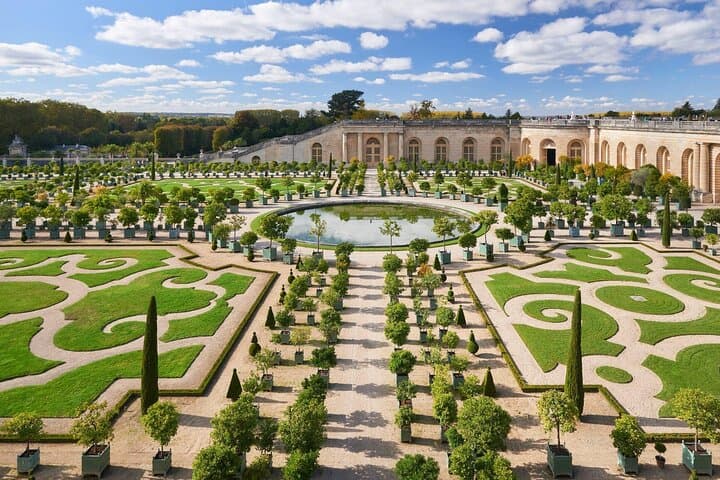
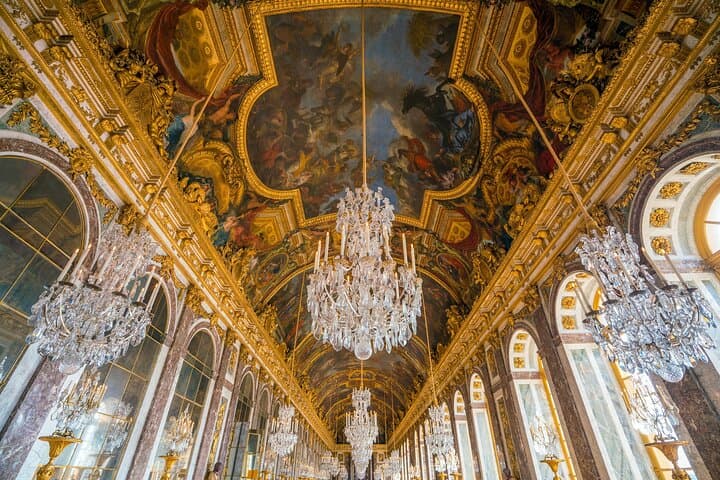
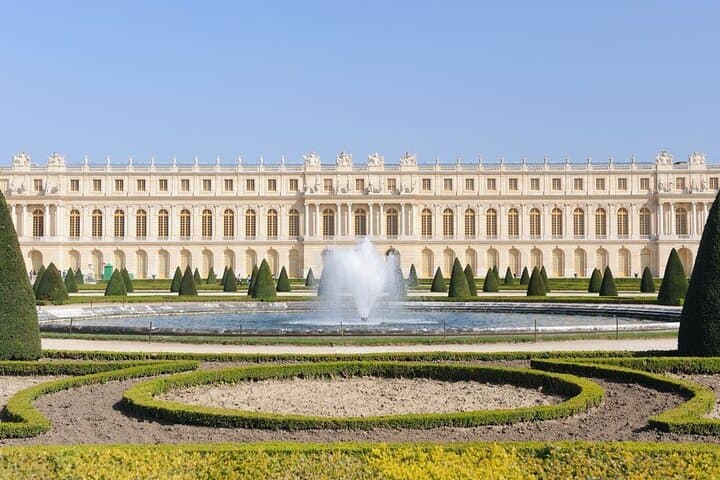
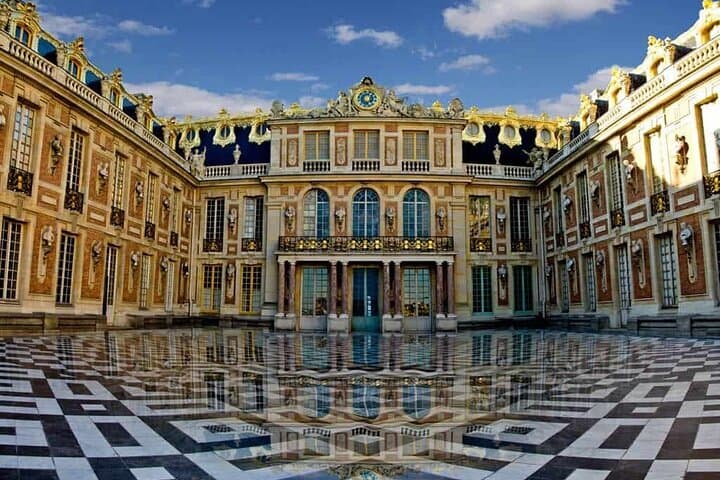
You step through the ornate gates and the world of Versailles changes cadence: marble halls hum with footsteps, while outside the gardens pull the sky down into straight-lined order. The Hall of Mirrors refracts daylight into a corridor of power; beyond, André Le Nôtre’s geometry stretches into the distance, the Grand Canal reflecting the horizon like a slow-moving mirror that dares you to follow it.
You step through the ornate gates and the world of Versailles changes cadence: marble halls hum with footsteps, while outside the gardens pull the sky down into straight-lined order. The Hall of Mirrors refracts daylight into a corridor of power; beyond, André Le Nôtre’s geometry stretches into the distance, the Grand Canal reflecting the horizon like a slow-moving mirror that dares you to follow it.
Built by Louis XIV on the plains west of Paris, Versailles grew from hunting lodge to seat of monarchy and, later, a diplomatic stage—most famously the 1919 Treaty of Versailles. The palace sits on a gentle Île-de-France plateau; its architecture, interior collections and formal gardens together chart centuries of royal taste, politics and landscape engineering. Stroll the royal apartments, linger at the Hall of Mirrors, then move outdoors where clipped alleys, statues and fountains dictate a ritual pace.
Practically: the ticket provides timed entry and a complimentary multilingual audio guide, enabling self-paced visits across the palace, temporary exhibitions and park. Allow two hours minimum for the palace itself and more if you plan to explore the Trianons and the Queen’s Hamlet. Peak summer afternoons bring queues and heat; fall and winter offer quieter rooms but shorter fountain schedules. Accessibility is generally good—many routes and services are wheelchair- and stroller-friendly—but security checks and bag limits apply.
Plan to arrive 15 minutes before your slot, wear comfortable shoes for marble and gravel, and keep water handy. If you want the musical fountain displays, check dates ahead—those are often ticketed separately and transform the gardens into a working stage.