THE ADVENTURE COLLECTIVE® · Independent discovery and booking for outdoor travel

Stroll Versailles to a Baroque soundtrack: fountains, sculpted alleys, and the intimate Trianon palaces framed by Le Nôtre’s geometry. This audio-guided entry gives timed access to the Musical Gardens and the Trianon Estate—plan 2–4 hours for a full circuit.
Stroll Versailles to a Baroque soundtrack: fountains, sculpted alleys, and the intimate Trianon palaces framed by Le Nôtre’s geometry. This audio-guided entry gives timed access to the Musical Gardens and the Trianon Estate—plan 2–4 hours for a full circuit.
A morning at Versailles begins with the sound of water setting the pace: fountains arc and hiss, hedgerows hold back the city’s pulse, and the gravel underfoot records each step. Start at the South Garden gate and move through alleys where Baroque strains—Lully, Handel, Charpentier—lend a steady rhythm to the stroll. Statues peer from leafy rooms; topiaries press shapes into the light.
Verified experiences and guided adventures in the surrounding area.
Operated by Wanderung · Versailles, Île-de-France
A morning at Versailles begins with the sound of water setting the pace: fountains arc and hiss, hedgerows hold back the city’s pulse, and the gravel underfoot records each step. Start at the South Garden gate and move through alleys where Baroque strains—Lully, Handel, Charpentier—lend a steady rhythm to the stroll. Statues peer from leafy rooms; topiaries press shapes into the light.
The gardens are a product of 17th-century ambition and 18th-century refinement. André Le Nôtre’s geometry extends across drained marshland, sculpting terraces, parterres, and axial views that frame the palace. The Trianon Estate—Grand and Petit Trianon and the Queen’s Hamlet—reflect shifts in taste from formal radiance to intimate pastoral life, used by Louis XIV and later by Marie Antoinette for privacy and play.
Beyond history, the site is a living landscape: canals cool the air, gravel paths suggest a measured pace, and fountains pulse on mechanical choreography. Local culture mixes ritual and tourism; visitors come for the Musical Gardens show, the engineered water displays, and the quieter corners of Trianon’s cultivated plots.
Practical guidance: allow 2–4 hours to move between the palace forecourt, the main gardens, and Trianon. Wear sturdy walking shoes—paths are long and often gravel—carry water, and plan entry around fountain schedules and seasonal early closures. Tickets arrive by email; bring the PDF with QR code. Expect accessible routes, stroller-friendly promenades in many areas, and no on-site refunds. Timing your visit for morning light or late afternoon reduces busier crowds and improves the fountain viewing experience.
easy.
2–4 hours.
Suitable for most fitness levels; requires standing and walking over multiple kilometers across mostly flat to gently rolling grounds.
No—the immediate booking voucher is not the entry ticket. You must present the emailed PDF ticket with QR/barcode that Viator or the operator sends before your visit.
Plan 2–4 hours to visit the Musical Gardens and both Grand and Petit Trianon at a relaxed pace; allocate more time for extended photography or picnic breaks.
Yes—many main pathways and access points are wheelchair and stroller accessible, though some formal garden areas and the Hamlet contain narrower or uneven surfaces.
Musical Gardens typically run in the high season (April–October) with specific dates and early closures for special events; check the official calendar before booking.
Versailles evolved from a hunting lodge into the seat of royal power under Louis XIV; Le Nôtre’s 17th-century designs and later 18th-century additions created the garden and Trianon ensemble.
The estate operates active restoration and plant-health programs; visitors are asked not to pick plants, to stay on paths, and to respect seasonal access restrictions to protect delicate beds and engineered waterworks.
Wanderung operates guided outdoor trips and adventures with an emphasis on safety, stewardship, and memorable experiences.
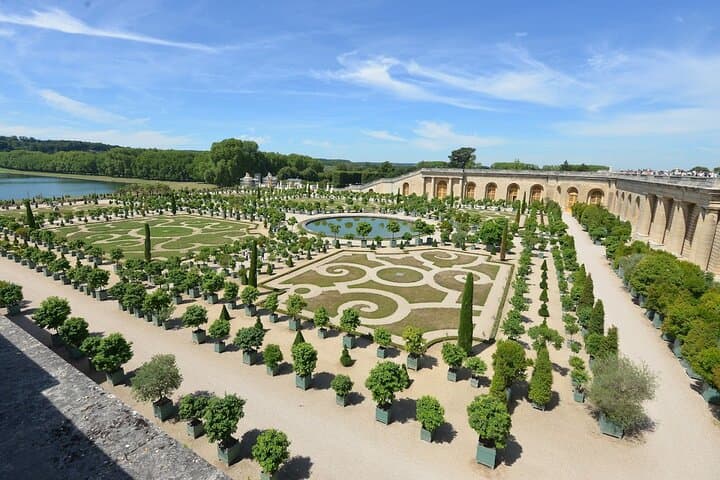
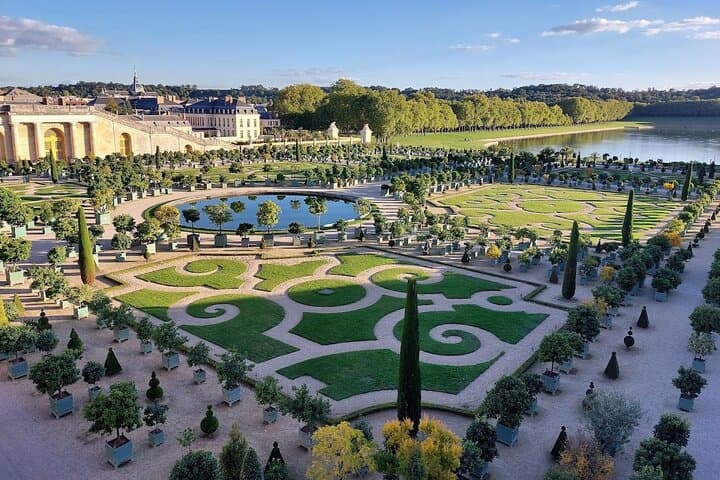
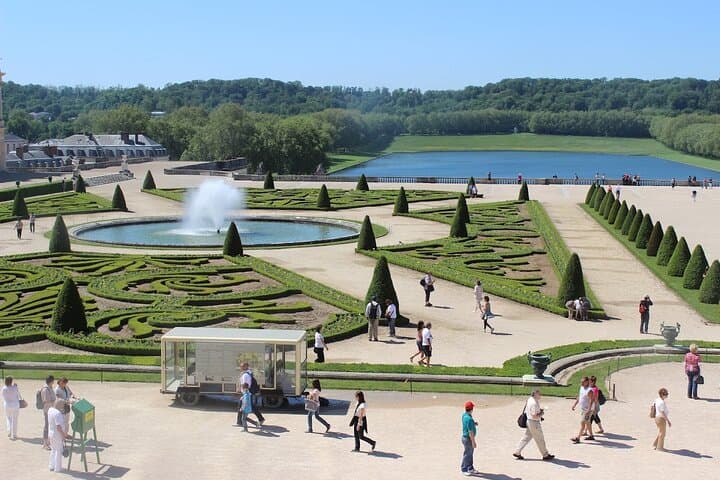

A morning at Versailles begins with the sound of water setting the pace: fountains arc and hiss, hedgerows hold back the city’s pulse, and the gravel underfoot records each step. Start at the South Garden gate and move through alleys where Baroque strains—Lully, Handel, Charpentier—lend a steady rhythm to the stroll. Statues peer from leafy rooms; topiaries press shapes into the light.
A morning at Versailles begins with the sound of water setting the pace: fountains arc and hiss, hedgerows hold back the city’s pulse, and the gravel underfoot records each step. Start at the South Garden gate and move through alleys where Baroque strains—Lully, Handel, Charpentier—lend a steady rhythm to the stroll. Statues peer from leafy rooms; topiaries press shapes into the light.
The gardens are a product of 17th-century ambition and 18th-century refinement. André Le Nôtre’s geometry extends across drained marshland, sculpting terraces, parterres, and axial views that frame the palace. The Trianon Estate—Grand and Petit Trianon and the Queen’s Hamlet—reflect shifts in taste from formal radiance to intimate pastoral life, used by Louis XIV and later by Marie Antoinette for privacy and play.
Beyond history, the site is a living landscape: canals cool the air, gravel paths suggest a measured pace, and fountains pulse on mechanical choreography. Local culture mixes ritual and tourism; visitors come for the Musical Gardens show, the engineered water displays, and the quieter corners of Trianon’s cultivated plots.
Practical guidance: allow 2–4 hours to move between the palace forecourt, the main gardens, and Trianon. Wear sturdy walking shoes—paths are long and often gravel—carry water, and plan entry around fountain schedules and seasonal early closures. Tickets arrive by email; bring the PDF with QR code. Expect accessible routes, stroller-friendly promenades in many areas, and no on-site refunds. Timing your visit for morning light or late afternoon reduces busier crowds and improves the fountain viewing experience.