THE ADVENTURE COLLECTIVE® · Independent discovery and booking for outdoor travel

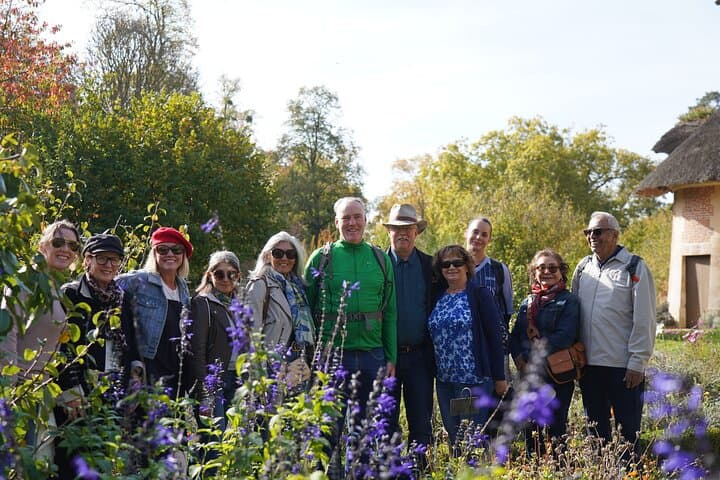
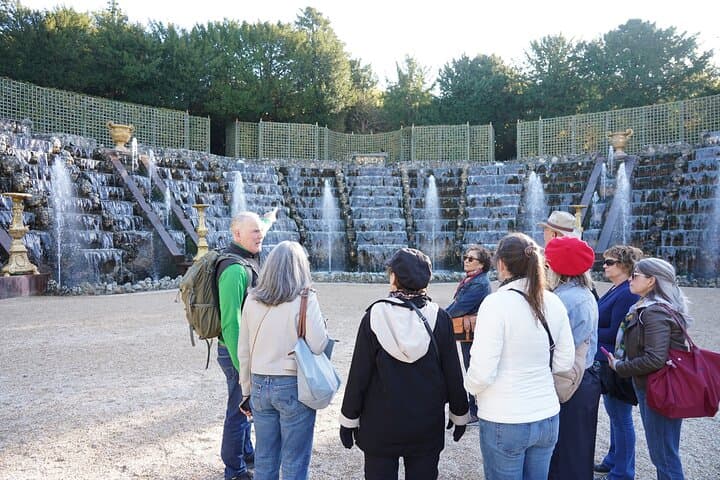
Spend a day with a historian inside Versailles’ gardens, Petit Trianon hamlet and the Palace, with reserved timed entry and a hop-on train to ease the walk. Small groups, expert narration and fountain shows on select days make this a focused way to see the estate.
Spend a day with a historian inside Versailles’ gardens, Petit Trianon hamlet and the Palace, with reserved timed entry and a hop-on train to ease the walk. Small groups, expert narration and fountain shows on select days make this a focused way to see the estate.
You step through the wrought-iron gates into a landscape of axes and water: long alleys cut the sky, fountains punctuate gravel, and the Palace’s stone façade glows in a pale Parisian light.
Verified experiences and guided adventures in the surrounding area.
Operated by Alistair Douglas · Versailles, Île-de-France
You step through the wrought-iron gates into a landscape of axes and water: long alleys cut the sky, fountains punctuate gravel, and the Palace’s stone façade glows in a pale Parisian light.
This full-day, small-group tour traces 17th- and 18th-century ambitions — Louis XIV’s expansion from hunting lodge to Royal Palace and André Le Nôtre’s geometric garden language that exported French formal style across Europe. The route moves from the formal terraces and the Apollo Basin to the quieter Petit Trianon and Marie‑Antoinette’s reconstructed hamlet, where rustic farmhouses and a working dairy contrast with courtly ritual.
Geologically the site sits on Paris basin sands and clays; engineered terraces and canals relied on redirected rivers and gravity-fed hydraulics — an early feat of landscape engineering that still defines how water and sculpture meet here. Culturally, Versailles reads as power made visible: axes, colonnades, fountains and allegory combine to stage monarchy.
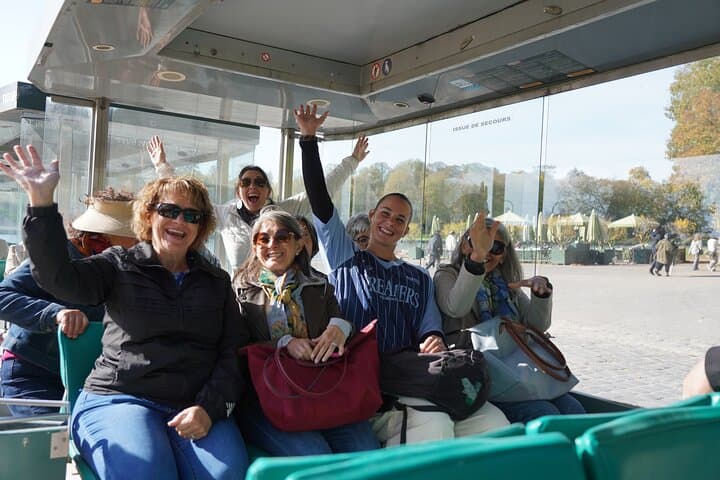
Practical guidance: expect 1.5 miles of mostly downhill walking (moderate pace) across gravel and paved paths, with several short stops at fountains, groves and the Petit Trianon. The tour includes timed palace entry and hop-on hop-off train tickets to reduce walking on longer stretches. Bring comfortable, treaded shoes, a refillable water bottle, and a lightweight rain layer. Mobile ticketing and a local guide keep groups under a dozen, but check fountain show schedules (weekends, April–October) and allow time to explore the Hall of Mirrors after the guided portion.
This experience blends outdoor circulation, historical interpretation and palace interiors — good planning turns a long day into a sharp, memorable one.
moderate.
6–7 hours.
Moderate fitness: able to walk 1.5 miles over varied terrain and stand for guided explanations; some downhill walking.
Yes; the tour is suitable for children aged 7 and up, but the 1.5-mile downhill walk is not recommended for strollers or very young children.
No — lunch is not included, but the itinerary offers break opportunities at La Petite Venise or Angelina and cafés near the gardens.
Take RER C to Versailles Château–Rive Gauche, then walk about 10–15 minutes to the Palace entrance; many operators provide clear meeting instructions on booking.
The gardens are extensive with uneven surfaces and steps; the tour notes that it’s not suitable for wheelchair users or mobility walkers—contact the operator for specific accessibility options.
Versailles grew from a 17th-century hunt lodge into Louis XIV’s seat of power; architects like Le Vau and gardener André Le Nôtre shaped the estate into a model of absolute monarchy expressed through landscape.
High visitor numbers demand durable surfaces and managed access; stick to paths, avoid picnics on formal lawns and follow staff instructions to protect historic plantings and sculptures.
Alistair Douglas operates guided outdoor trips and adventures with an emphasis on safety, stewardship, and memorable experiences.
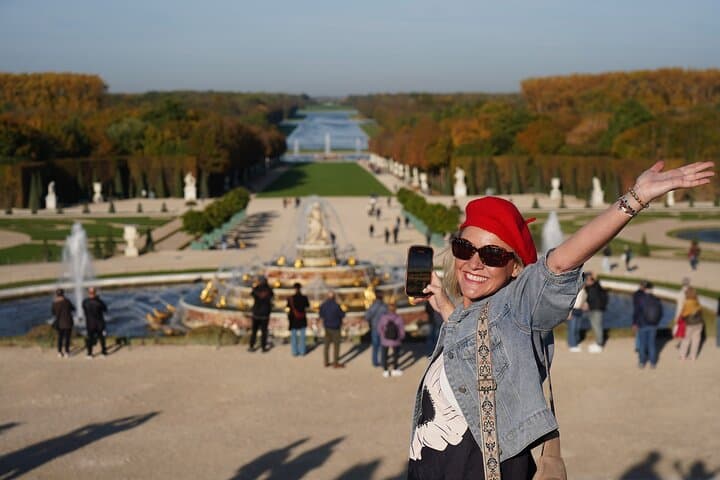
You step through the wrought-iron gates into a landscape of axes and water: long alleys cut the sky, fountains punctuate gravel, and the Palace’s stone façade glows in a pale Parisian light.
You step through the wrought-iron gates into a landscape of axes and water: long alleys cut the sky, fountains punctuate gravel, and the Palace’s stone façade glows in a pale Parisian light.
This full-day, small-group tour traces 17th- and 18th-century ambitions — Louis XIV’s expansion from hunting lodge to Royal Palace and André Le Nôtre’s geometric garden language that exported French formal style across Europe. The route moves from the formal terraces and the Apollo Basin to the quieter Petit Trianon and Marie‑Antoinette’s reconstructed hamlet, where rustic farmhouses and a working dairy contrast with courtly ritual.
Geologically the site sits on Paris basin sands and clays; engineered terraces and canals relied on redirected rivers and gravity-fed hydraulics — an early feat of landscape engineering that still defines how water and sculpture meet here. Culturally, Versailles reads as power made visible: axes, colonnades, fountains and allegory combine to stage monarchy.
Practical guidance: expect 1.5 miles of mostly downhill walking (moderate pace) across gravel and paved paths, with several short stops at fountains, groves and the Petit Trianon. The tour includes timed palace entry and hop-on hop-off train tickets to reduce walking on longer stretches. Bring comfortable, treaded shoes, a refillable water bottle, and a lightweight rain layer. Mobile ticketing and a local guide keep groups under a dozen, but check fountain show schedules (weekends, April–October) and allow time to explore the Hall of Mirrors after the guided portion.
This experience blends outdoor circulation, historical interpretation and palace interiors — good planning turns a long day into a sharp, memorable one.