THE ADVENTURE COLLECTIVE® · Independent discovery and booking for outdoor travel

Cover more ground than on foot and less effort than by bike: semi‑terrain electric scooters unlock the avenues, gardens, and backstreets of Versailles. Learn what to expect, how to prepare, and where to ride for a safe, efficient self‑guided exploration.
Cover more ground than on foot and less effort than by bike: semi‑terrain electric scooters unlock the avenues, gardens, and backstreets of Versailles. Learn what to expect, how to prepare, and where to ride for a safe, efficient self‑guided exploration.
A low-slung electric scooter hums past chestnut trees as gravel kicks under wide tires; the long axial avenues of the Parc du Château open in front of you and the gilded silhouette of the palace keeps time at the horizon. Riding a semi‑terrain scooter here feels like borrowing a piece of Versailles’ mobility: swift enough to cover ground, small enough to slip into the city’s intimate streets.
Verified experiences and guided adventures in the surrounding area.
Operated by TRIP IN TROTT · Versailles, Île-de-France
A low-slung electric scooter hums past chestnut trees as gravel kicks under wide tires; the long axial avenues of the Parc du Château open in front of you and the gilded silhouette of the palace keeps time at the horizon. Riding a semi‑terrain scooter here feels like borrowing a piece of Versailles’ mobility: swift enough to cover ground, small enough to slip into the city’s intimate streets.
Versailles grew from a royal hunting lodge into Louis XIV’s seat of power; its gardens, carved by André Le Nôtre, are geometric, wide, and designed to be read from movement. Geologically the plain sits on the Paris Basin’s soft chalk and clay, which yields level, rideable routes more often than steep climbs. Culturally the town pairs imperial formality with everyday French life — cafés, markets, and quiet side streets that reveal contemporary Versailles beyond the tourist core.
Practical notes: rentals typically start at the Trianon Palace desk and include a helmet and padlock; vehicles have an advertised range around 30 km, variable by rider weight and terrain. A short bilingual briefing covers operation and local rules; identification and a refundable deposit are required. Follow marked bike paths, yield to pedestrians, and avoid narrow museum courtyards where motorized access is restricted.
Plan for flexibility: 1–6 hour windows suit short jumps between monuments or a longer loop that includes the Grand Canal and the historic Saint‑Louis quarter. Bring water, dress for sudden weather, and factor in time for café stops — the best discoveries happen when you slow the throttle for a view.
easy.
1–6 hours.
Suitable for most fitness levels; riders should be able to stand and balance for short periods and walk up curbs if necessary.
The advertised range is about 30 km but real range varies with rider weight, speed, terrain, and stop‑and‑go traffic; shorter bookings reduce range concerns.
Yes—each rental includes a helmet and padlock; a short safety briefing is provided before departure.
Rentals are for ages 14 and up; you’ll need to leave identification and a refundable deposit (typically €150) and sign a rental contract on site.
Access rules vary—stay on designated bike paths and follow on‑site guidance; some courtyards and indoor spaces prohibit motorized vehicles, so park and walk when required.
Versailles expanded under Louis XIV from a hunting lodge to a court center; the park’s axial layout by Le Nôtre was meant to be traversed and read from moving platforms.
Stick to paved and marked paths to protect historic garden beds and turf; scooters reduce local noise and emissions compared with cars but still require responsible parking and battery disposal.
TRIP IN TROTT operates guided outdoor trips and adventures with an emphasis on safety, stewardship, and memorable experiences.
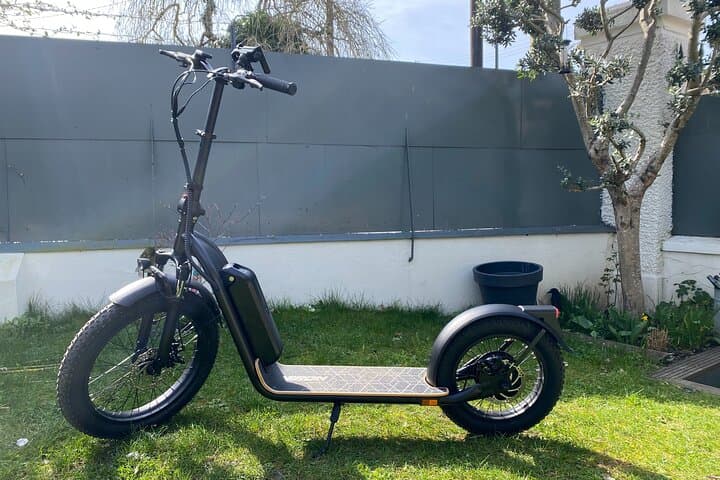

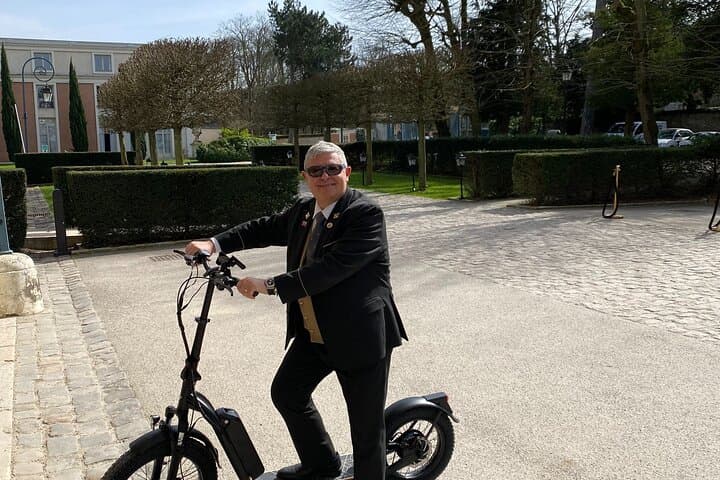
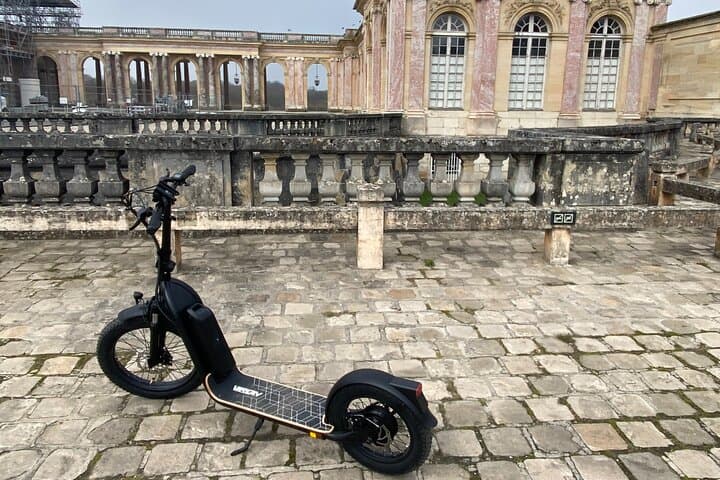
A low-slung electric scooter hums past chestnut trees as gravel kicks under wide tires; the long axial avenues of the Parc du Château open in front of you and the gilded silhouette of the palace keeps time at the horizon. Riding a semi‑terrain scooter here feels like borrowing a piece of Versailles’ mobility: swift enough to cover ground, small enough to slip into the city’s intimate streets.
A low-slung electric scooter hums past chestnut trees as gravel kicks under wide tires; the long axial avenues of the Parc du Château open in front of you and the gilded silhouette of the palace keeps time at the horizon. Riding a semi‑terrain scooter here feels like borrowing a piece of Versailles’ mobility: swift enough to cover ground, small enough to slip into the city’s intimate streets.
Versailles grew from a royal hunting lodge into Louis XIV’s seat of power; its gardens, carved by André Le Nôtre, are geometric, wide, and designed to be read from movement. Geologically the plain sits on the Paris Basin’s soft chalk and clay, which yields level, rideable routes more often than steep climbs. Culturally the town pairs imperial formality with everyday French life — cafés, markets, and quiet side streets that reveal contemporary Versailles beyond the tourist core.
Practical notes: rentals typically start at the Trianon Palace desk and include a helmet and padlock; vehicles have an advertised range around 30 km, variable by rider weight and terrain. A short bilingual briefing covers operation and local rules; identification and a refundable deposit are required. Follow marked bike paths, yield to pedestrians, and avoid narrow museum courtyards where motorized access is restricted.
Plan for flexibility: 1–6 hour windows suit short jumps between monuments or a longer loop that includes the Grand Canal and the historic Saint‑Louis quarter. Bring water, dress for sudden weather, and factor in time for café stops — the best discoveries happen when you slow the throttle for a view.