THE ADVENTURE COLLECTIVE® · Independent discovery and booking for outdoor travel

Travel by train from Paris to Versailles for a guided tour of the extensive gardens and included Palace entry. This four-hour excursion blends garden choreography, royal history, and practical tips for getting the most from your visit.
Travel by train from Paris to Versailles for a guided tour of the extensive gardens and included Palace entry. This four-hour excursion blends garden choreography, royal history, and practical tips for getting the most from your visit.
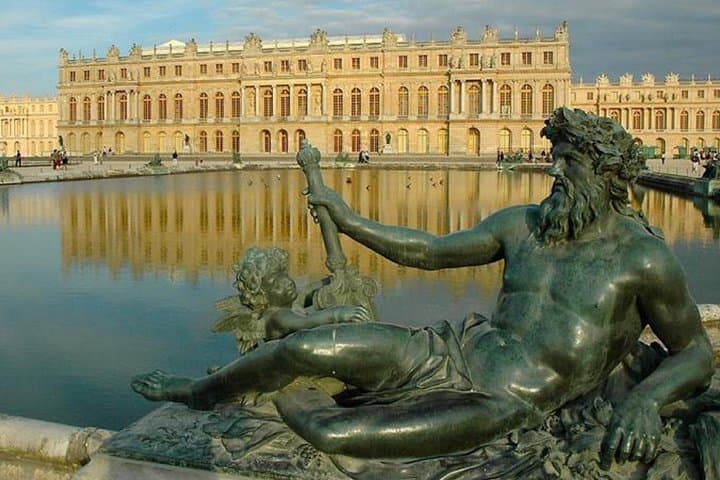
You step out of the Metro at Invalides and feel the scale shift: Paris traffic gives way to avenues that lead the eye straight to the gold-frosted edges of Versailles. The guide meets the group and the train hums west — the Grand Canal waits, long and patient, its surface daring you to slow down and look.
Verified experiences and guided adventures in the surrounding area.
Operated by Buendía · Versailles, Île-de-France
You step out of the Metro at Invalides and feel the scale shift: Paris traffic gives way to avenues that lead the eye straight to the gold-frosted edges of Versailles. The guide meets the group and the train hums west — the Grand Canal waits, long and patient, its surface daring you to slow down and look.
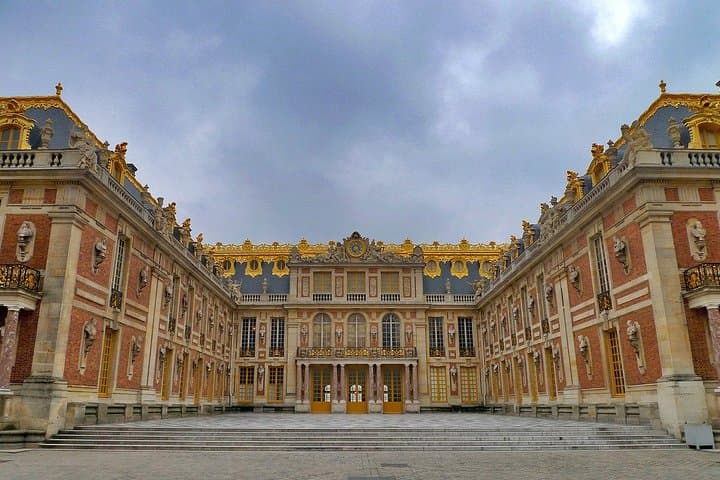
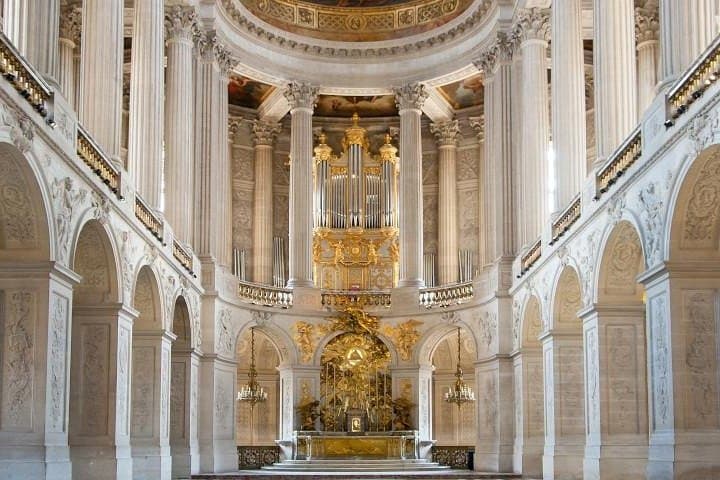
Versailles was reshaped under Louis XIV in the 17th century as a stage for absolutism; the palace rooms and axial gardens reflect deliberate geometry and political theater. Geologically the site sits on Paris Basin chalk, a firm, rolling substrate that made the creation of terraces, canals and formal parterres possible. Culturally the estate maps French court life: the Hall of Mirrors, the Petit and Grand Trianon, and the intimate Queen's Hamlet reveal shifts from pomp to private refuge.
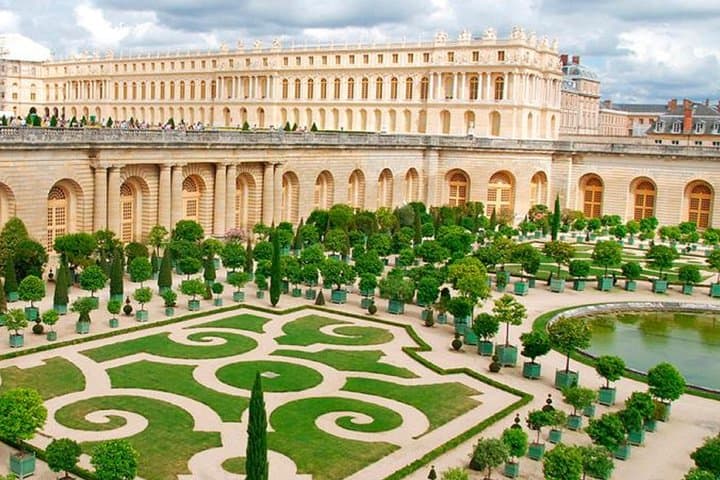
On the gardens tour expect broad alleys, clipped boxwood, and waterworks that reclaim attention — fountains choreographed for ceremonies and leisure. The Marie-Antoinette domain is quieter, with rustic cottages that belie royal fantasy.
Practical guidance: buy your RER ticket in advance, arrive 15 minutes early at Invalides, and wear comfortable walking shoes — the route covers paved rooms and gravel alleys across hectares. Bring a reusable water bottle and a light layer for sudden wind on the Grand Canal. Photography is allowed in many spaces but follow signage in state rooms. The guide provides palace entry; once inside you can explore at your own pace before returning to Paris on any RER you choose.
easy.
4 hours.
Suitable for most fitness levels; moderate walking and standing for up to 2–3 hours during the guided portions.
Yes — RER tickets to Versailles are not included; buy them in advance to avoid delays and ensure a prompt start.
Accessibility is limited inside some state rooms and strollers are restricted in certain areas; check specific access points and consider a cloth baby carrier for tighter spaces.
Guided sections usually last around 2–3 hours; palace entry allows you to remain inside afterwards and return to Paris on your own schedule.
There are cafes and restrooms on site, but options are limited and can be expensive — bringing a small snack is recommended.
Versailles expanded under Louis XIV into a political and aesthetic center that centralized the French court; its layout was designed to project royal power through scale and ceremony.
The estate manages heavy visitor flows and garden restoration projects year-round; stick to paths, avoid disturbing plantings, and use marked viewing areas to reduce impact.
Buendía operates guided outdoor trips and adventures with an emphasis on safety, stewardship, and memorable experiences.
You step out of the Metro at Invalides and feel the scale shift: Paris traffic gives way to avenues that lead the eye straight to the gold-frosted edges of Versailles. The guide meets the group and the train hums west — the Grand Canal waits, long and patient, its surface daring you to slow down and look.
You step out of the Metro at Invalides and feel the scale shift: Paris traffic gives way to avenues that lead the eye straight to the gold-frosted edges of Versailles. The guide meets the group and the train hums west — the Grand Canal waits, long and patient, its surface daring you to slow down and look.
Versailles was reshaped under Louis XIV in the 17th century as a stage for absolutism; the palace rooms and axial gardens reflect deliberate geometry and political theater. Geologically the site sits on Paris Basin chalk, a firm, rolling substrate that made the creation of terraces, canals and formal parterres possible. Culturally the estate maps French court life: the Hall of Mirrors, the Petit and Grand Trianon, and the intimate Queen's Hamlet reveal shifts from pomp to private refuge.
On the gardens tour expect broad alleys, clipped boxwood, and waterworks that reclaim attention — fountains choreographed for ceremonies and leisure. The Marie-Antoinette domain is quieter, with rustic cottages that belie royal fantasy.
Practical guidance: buy your RER ticket in advance, arrive 15 minutes early at Invalides, and wear comfortable walking shoes — the route covers paved rooms and gravel alleys across hectares. Bring a reusable water bottle and a light layer for sudden wind on the Grand Canal. Photography is allowed in many spaces but follow signage in state rooms. The guide provides palace entry; once inside you can explore at your own pace before returning to Paris on any RER you choose.