THE ADVENTURE COLLECTIVE® · Independent discovery and booking for outdoor travel

A relaxed, private 3–4 hour walking tour that pauses at Verona’s most photogenic corners—from the Arena to Juliet’s balcony and the hilltop view—designed for better pictures and quieter moments. Learn where to shoot, when to go and what to bring.
A relaxed, private 3–4 hour walking tour that pauses at Verona’s most photogenic corners—from the Arena to Juliet’s balcony and the hilltop view—designed for better pictures and quieter moments. Learn where to shoot, when to go and what to bring.
You arrive into Piazza Bra as the afternoon light slants across the Arena’s stone, and the city seems to arrange itself for the perfect frame. Streets hum with scooters and espresso cups; cobbles guide you past palaces, bridges and a balcony that every visitor wants to photograph.
Verified experiences and guided adventures in the surrounding area.
Operated by Guide in Verona · Verona, Veneto
You arrive into Piazza Bra as the afternoon light slants across the Arena’s stone, and the city seems to arrange itself for the perfect frame. Streets hum with scooters and espresso cups; cobbles guide you past palaces, bridges and a balcony that every visitor wants to photograph.
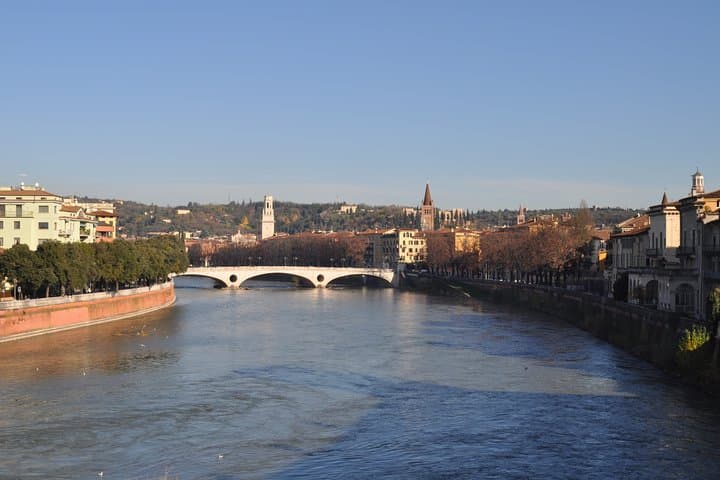
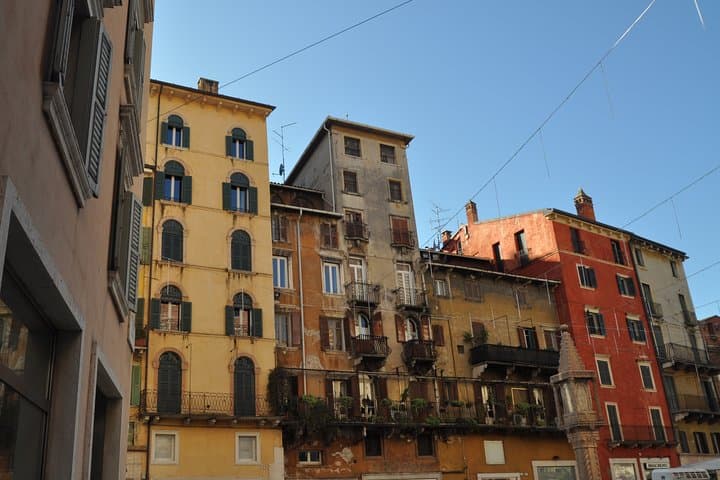
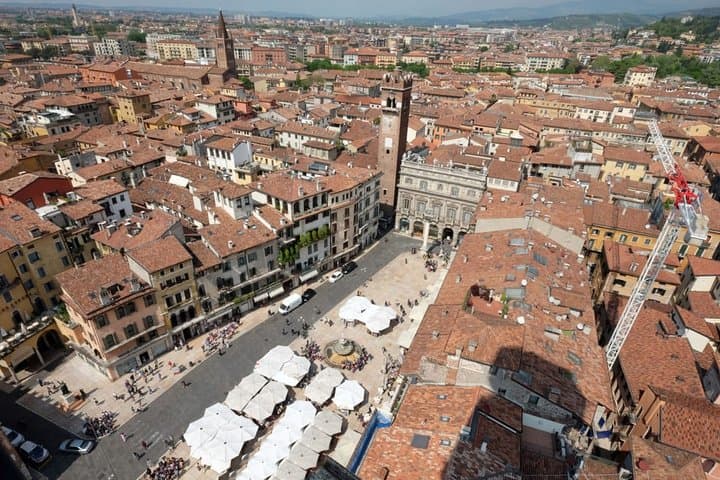
This private, 3–4 hour walking tour stitches together Verona’s layers: a Roman amphitheater built in the 1st century CE, medieval Scaliger fortifications and Renaissance palaces lining Piazza delle Erbe. Geologically the city sits where the Adige River has carved a shallow, limestone-walled corridor; the river’s green surface and the hill of Castel San Pietro create the best vantage points for wide cityscapes.
Culturally, Verona mixes provincial Italian life with theatrical history—opera at the Arena and the Juliet legend that fuels a steady stream of travelers. Local guides typically move at an unhurried pace, pointing out architectural details, ghost stories and the small markets where photogenic produce and bar counters make lively foregrounds.
Practically: expect 2–3 km of walking on uneven, often cobbled streets with short flights of steps to viewpoints. Bring a charged phone or camera, wear supportive shoes and plan the route around golden hour for softer light. Consider a VeronaCard if you intend to enter the Arena or museums; otherwise the best shots are free from public squares and bridges. The tour is wheelchair- and stroller-friendly in large parts, but some viewpoints require steep steps—opt for the funicular to Castel San Pietro if needed.
Timing, footwear and hydration turn a pretty day into a great photo haul.
easy.
3–4 hours.
Suitable for most fitness levels; requires walking on uneven surfaces and short stair climbs to some viewpoints.
Much of the historic center and main squares are wheelchair- and stroller-accessible, but some viewpoints and towers involve stairs; guides can reroute or use the funicular to reach hilltop panoramas.
No—many of the best photo vantage points are free, but the VeronaCard is useful if you plan to enter the Arena, museums or climb Torre dei Lamberti to save on admissions.
Expect roughly 2–3 km of walking over cobbled streets with frequent stops; the pace is relaxed and tailored to private-group needs.
Guides commonly offer tours in English and Italian; confirm language availability at booking since private tours can often accommodate other languages on request.
Verona’s center grew around a Roman arena and later flourished under the medieval Scaliger family; the city’s streets preserve layers from antiquity through the Renaissance.
High visitor numbers concentrate on a few monuments—respect signage, avoid climbing fragile ruins and use public waste bins; drone use is restricted in historic zones to protect heritage and privacy.
Guide in Verona operates guided outdoor trips and adventures with an emphasis on safety, stewardship, and memorable experiences.
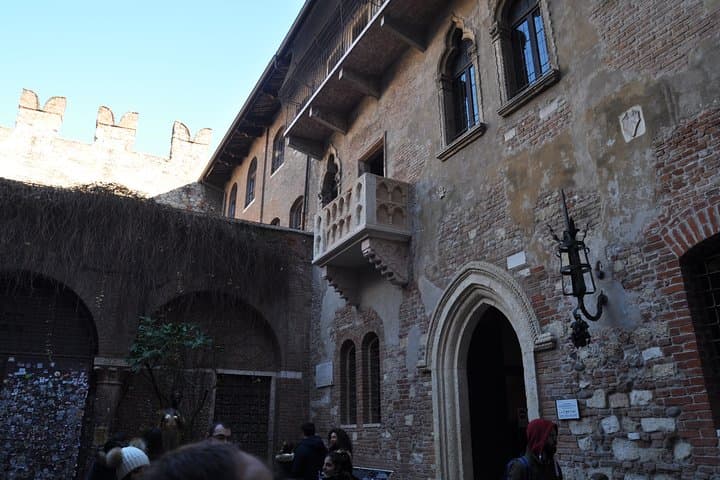
You arrive into Piazza Bra as the afternoon light slants across the Arena’s stone, and the city seems to arrange itself for the perfect frame. Streets hum with scooters and espresso cups; cobbles guide you past palaces, bridges and a balcony that every visitor wants to photograph.
You arrive into Piazza Bra as the afternoon light slants across the Arena’s stone, and the city seems to arrange itself for the perfect frame. Streets hum with scooters and espresso cups; cobbles guide you past palaces, bridges and a balcony that every visitor wants to photograph.
This private, 3–4 hour walking tour stitches together Verona’s layers: a Roman amphitheater built in the 1st century CE, medieval Scaliger fortifications and Renaissance palaces lining Piazza delle Erbe. Geologically the city sits where the Adige River has carved a shallow, limestone-walled corridor; the river’s green surface and the hill of Castel San Pietro create the best vantage points for wide cityscapes.
Culturally, Verona mixes provincial Italian life with theatrical history—opera at the Arena and the Juliet legend that fuels a steady stream of travelers. Local guides typically move at an unhurried pace, pointing out architectural details, ghost stories and the small markets where photogenic produce and bar counters make lively foregrounds.
Practically: expect 2–3 km of walking on uneven, often cobbled streets with short flights of steps to viewpoints. Bring a charged phone or camera, wear supportive shoes and plan the route around golden hour for softer light. Consider a VeronaCard if you intend to enter the Arena or museums; otherwise the best shots are free from public squares and bridges. The tour is wheelchair- and stroller-friendly in large parts, but some viewpoints require steep steps—opt for the funicular to Castel San Pietro if needed.
Timing, footwear and hydration turn a pretty day into a great photo haul.