THE ADVENTURE COLLECTIVE® · Independent discovery and booking for outdoor travel

Spend a full day traveling from Venice to Verona with private transport and a local guide. Explore the Arena, Juliet’s courtyard, river views and hidden piazzas while learning the city’s layered Roman and medieval history.
Spend a full day traveling from Venice to Verona with private transport and a local guide. Explore the Arena, Juliet’s courtyard, river views and hidden piazzas while learning the city’s layered Roman and medieval history.
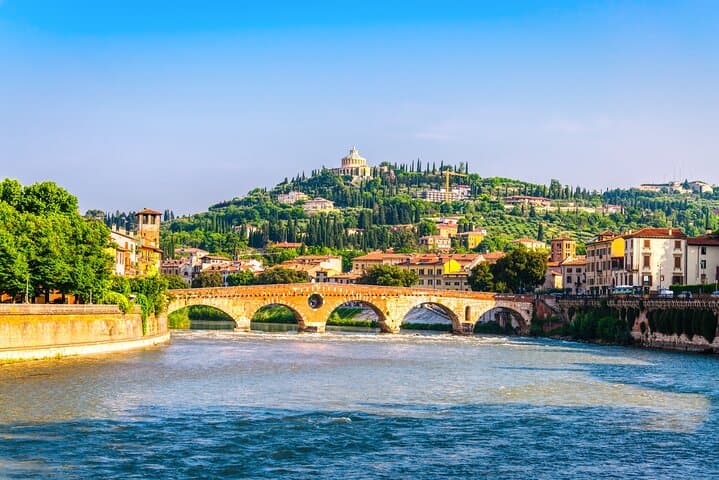
You leave Venice behind as the car threads the Veneto plain, light falling across vineyards and irrigation canals. By late morning the Adige appears, a cool ribbon pushing through Verona’s stone, and the city’s layered story unfolds: Roman engineering, medieval streets, and Renaissance facades gathered around sun-warmed piazzas.
Verified experiences and guided adventures in the surrounding area.
Operated by taxiGo DMC · Verona, Veneto
You leave Venice behind as the car threads the Veneto plain, light falling across vineyards and irrigation canals. By late morning the Adige appears, a cool ribbon pushing through Verona’s stone, and the city’s layered story unfolds: Roman engineering, medieval streets, and Renaissance facades gathered around sun-warmed piazzas.
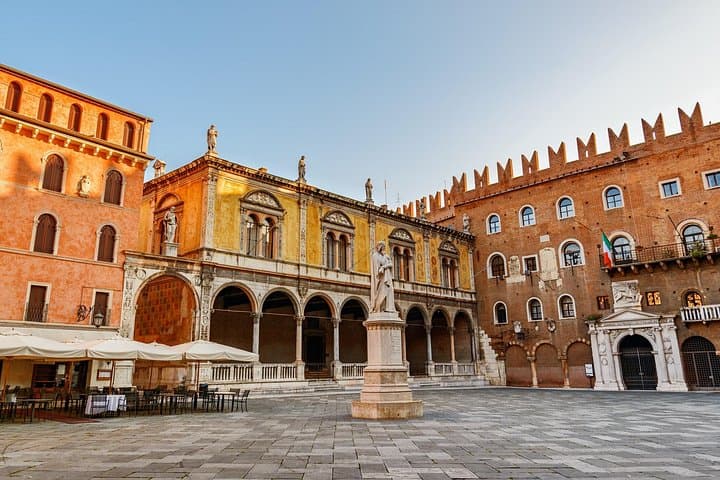
Walk into Piazza Bra and the Arena’s weathered stones, then down alleys to Juliet’s courtyard where visitors press notes into crumbling brick. Cross Ponte Pietra to watch the river work its way around ancient foundations; climb to Castel San Pietro for an uncluttered panorama of red roofs and river bends. Stop in Piazza delle Erbe to read the city’s past in frescoed palaces, market stalls and the columned remains of its Roman forum.
Verona’s geology—limestone ridges and the Adige’s erosive path—helped shape its strategic importance; Romans built an amphitheater here in the 1st century AD and the city kept evolving. Cuisine matters: try a risotto all’Amarone or a slice of polenta; wine culture is local, not theatrical.
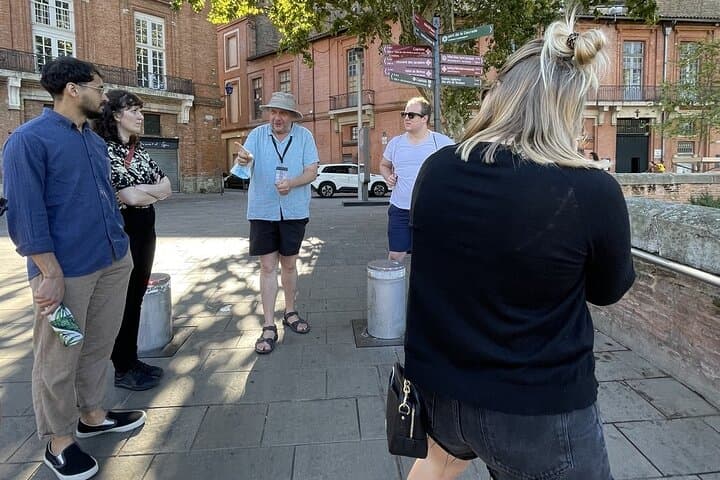
Practical guide: this private, door-to-door day trip is eight hours including transfer time from Venice—expect several miles of walking on uneven cobbles. Amphitheater admission is optional and paid onsite; carry euros and a lightweight daypack. Morning and late afternoon visits give softer light and fewer crowds; summers are hot and busy, winters cool with shorter daylight. Wear sturdy shoes, hydrate, and plan for stairways and narrow streets. A private guide will tailor the pace, point out lesser-known chapels and local trattorie, and handle logistics so you can focus on the city’s layers of history.
easy.
8 hours.
Suitable for most fitness levels; expect multiple hours of walking totaling 3–5 miles on uneven surfaces.
Yes; the tour includes private transport to and from the address specified in Venice—confirm precise pickup location when booking.
No; Arena admission is optional and paid onsite (around €12), though your guide can advise and help purchase tickets.
Yes; the itinerary is labeled easy and infant seats are available, but expect walking and stairs—bring a stroller only for short stretches.
Plan on several miles of walking over an eight-hour day with stops; pace is private and can be adjusted for mobility needs.
Verona grew as a Roman crossroads; its Arena dates to the 1st century AD and much of the medieval street pattern overlays Roman foundations.
Historic stone and frescoes are fragile—stick to marked paths, avoid touching frescoes and support local businesses to help maintain cultural heritage.
taxiGo DMC operates guided outdoor trips and adventures with an emphasis on safety, stewardship, and memorable experiences.

You leave Venice behind as the car threads the Veneto plain, light falling across vineyards and irrigation canals. By late morning the Adige appears, a cool ribbon pushing through Verona’s stone, and the city’s layered story unfolds: Roman engineering, medieval streets, and Renaissance facades gathered around sun-warmed piazzas.
You leave Venice behind as the car threads the Veneto plain, light falling across vineyards and irrigation canals. By late morning the Adige appears, a cool ribbon pushing through Verona’s stone, and the city’s layered story unfolds: Roman engineering, medieval streets, and Renaissance facades gathered around sun-warmed piazzas.
Walk into Piazza Bra and the Arena’s weathered stones, then down alleys to Juliet’s courtyard where visitors press notes into crumbling brick. Cross Ponte Pietra to watch the river work its way around ancient foundations; climb to Castel San Pietro for an uncluttered panorama of red roofs and river bends. Stop in Piazza delle Erbe to read the city’s past in frescoed palaces, market stalls and the columned remains of its Roman forum.
Verona’s geology—limestone ridges and the Adige’s erosive path—helped shape its strategic importance; Romans built an amphitheater here in the 1st century AD and the city kept evolving. Cuisine matters: try a risotto all’Amarone or a slice of polenta; wine culture is local, not theatrical.
Practical guide: this private, door-to-door day trip is eight hours including transfer time from Venice—expect several miles of walking on uneven cobbles. Amphitheater admission is optional and paid onsite; carry euros and a lightweight daypack. Morning and late afternoon visits give softer light and fewer crowds; summers are hot and busy, winters cool with shorter daylight. Wear sturdy shoes, hydrate, and plan for stairways and narrow streets. A private guide will tailor the pace, point out lesser-known chapels and local trattorie, and handle logistics so you can focus on the city’s layers of history.