THE ADVENTURE COLLECTIVE® · Independent discovery and booking for outdoor travel

Experience the Verona Arena both as a modern visitor and—through VR—an ancient spectator. This 60-minute, small-group tour pairs an expert guide with immersive virtual reconstruction to bring the 1st-century amphitheater back to life.
Experience the Verona Arena both as a modern visitor and—through VR—an ancient spectator. This 60-minute, small-group tour pairs an expert guide with immersive virtual reconstruction to bring the 1st-century amphitheater back to life.
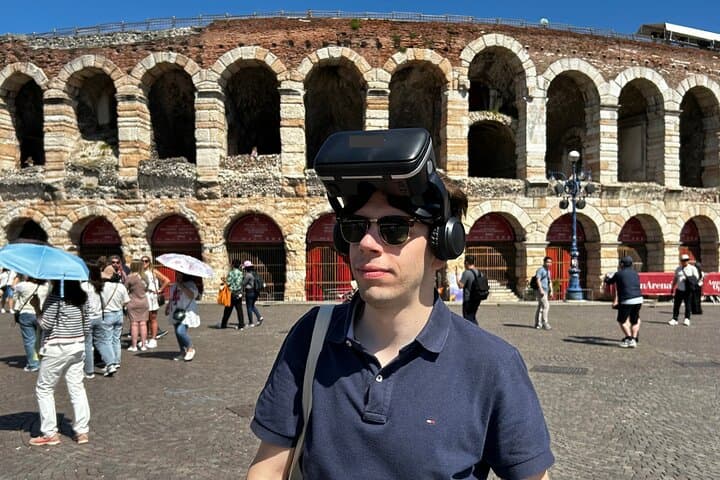
You step into Piazza Bra and the Arena rises—a vast ring of weathered stone that still holds the hush before a performance.
Verified experiences and guided adventures in the surrounding area.
Operated by Your Guide of Verona · Verona, Veneto
You step into Piazza Bra and the Arena rises—a vast ring of weathered stone that still holds the hush before a performance.
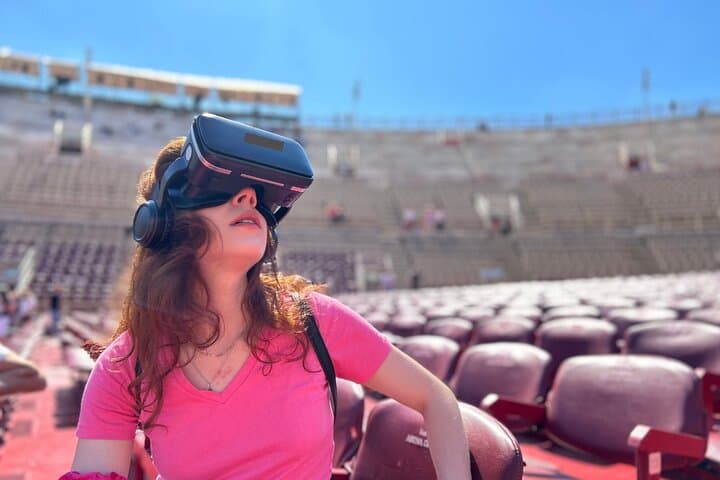
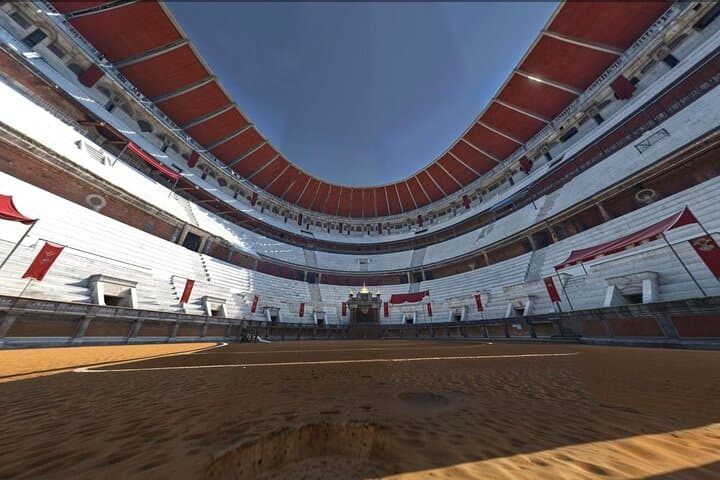
A guide sketches the structure’s ribs and stairways, then hands you a VR headset. In one motion the present peels away: wooden awnings shade the crowd, banners snap in an imagined wind, and the sand floor below seems to hum with expectation. Returning to daylight, the amphitheater’s scale and survival become tangible.
Built in the 1st century AD, the Arena is among Italy’s best-preserved Roman amphitheaters and later transformed into a center for medieval and modern spectacles, including Verona’s famed opera season. The monument sits on the Adige’s alluvial plain—its foundations testify to Roman engineering more than to dramatic geology—but the stone faces and layered arches are records of centuries of human hands and city life.
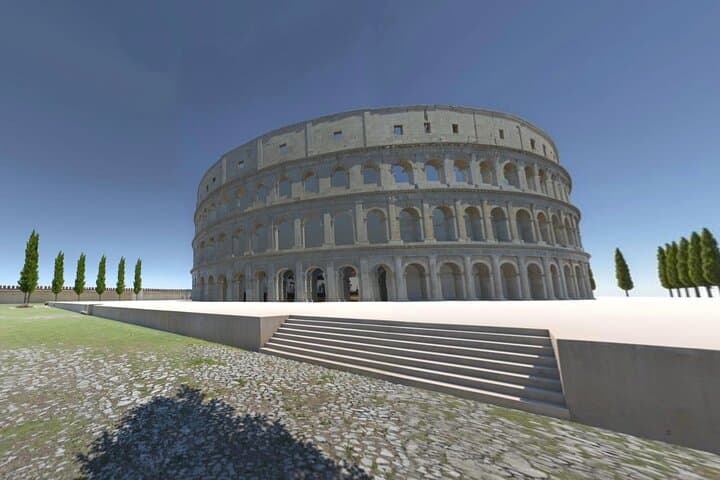
The experience blends tactile history and modern tech: expect close-up explanations of architecture, sightlines where gladiators and singers once performed, and a VR reconstruction that restores missing tiers and wooden structures.
Practical notes: tours run about 60 minutes for small groups (max 4), and the route is mostly level with brief steps. Wheelchair access is noted, but VR use requires someone able to mount and remove the headset with assistance. Bring comfortable shoes, a charged phone, and a light layer—the Arena’s shade can be cool even on warm days. Arrive 10–15 minutes early to meet your guide and secure your preferred spot; quieter morning slots make for better concentration inside the headset.
easy.
1 hour.
Suitable for most fitness levels; requires short periods of standing and a few steps inside the Arena.
Yes—this tour notes wheelchair accessibility, but notify the operator of any mobility needs so they can assist with headset use and positioning.
The full tour is about 60 minutes; the VR reconstruction is typically a focused segment within that hour lasting several minutes per participant viewing.
Children can usually participate—check age restrictions with the operator and disclose ages at booking; parental supervision is recommended for younger kids.
The cancellation policy allows a full refund if you cancel at least 24 hours before the tour; check the booking confirmation for specifics.
The Arena dates to the 1st century AD and has hosted spectacles from Roman games to the modern opera festivals that began in the 20th century.
Small-group tours and controlled access help protect the stonework; visitors are asked to avoid touching vulnerable surfaces and to follow local signage to minimize wear.
Your Guide of Verona operates guided outdoor trips and adventures with an emphasis on safety, stewardship, and memorable experiences.
You step into Piazza Bra and the Arena rises—a vast ring of weathered stone that still holds the hush before a performance.
You step into Piazza Bra and the Arena rises—a vast ring of weathered stone that still holds the hush before a performance.
A guide sketches the structure’s ribs and stairways, then hands you a VR headset. In one motion the present peels away: wooden awnings shade the crowd, banners snap in an imagined wind, and the sand floor below seems to hum with expectation. Returning to daylight, the amphitheater’s scale and survival become tangible.
Built in the 1st century AD, the Arena is among Italy’s best-preserved Roman amphitheaters and later transformed into a center for medieval and modern spectacles, including Verona’s famed opera season. The monument sits on the Adige’s alluvial plain—its foundations testify to Roman engineering more than to dramatic geology—but the stone faces and layered arches are records of centuries of human hands and city life.
The experience blends tactile history and modern tech: expect close-up explanations of architecture, sightlines where gladiators and singers once performed, and a VR reconstruction that restores missing tiers and wooden structures.
Practical notes: tours run about 60 minutes for small groups (max 4), and the route is mostly level with brief steps. Wheelchair access is noted, but VR use requires someone able to mount and remove the headset with assistance. Bring comfortable shoes, a charged phone, and a light layer—the Arena’s shade can be cool even on warm days. Arrive 10–15 minutes early to meet your guide and secure your preferred spot; quieter morning slots make for better concentration inside the headset.