THE ADVENTURE COLLECTIVE® · Independent discovery and booking for outdoor travel

Spend a full day tracing the lines, forts and memorials of Verdun with a certified guide. This private tour from Reims combines battlefield walks, museum access and personalized stops for a focused, respectful look at 1916.
Spend a full day tracing the lines, forts and memorials of Verdun with a certified guide. This private tour from Reims combines battlefield walks, museum access and personalized stops for a focused, respectful look at 1916.
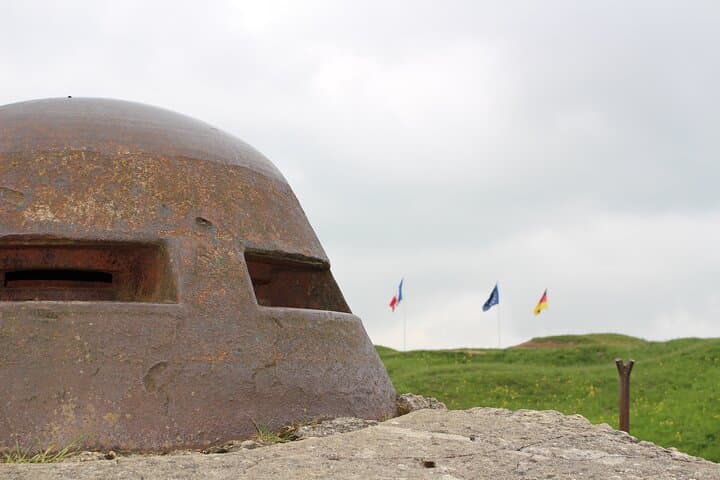
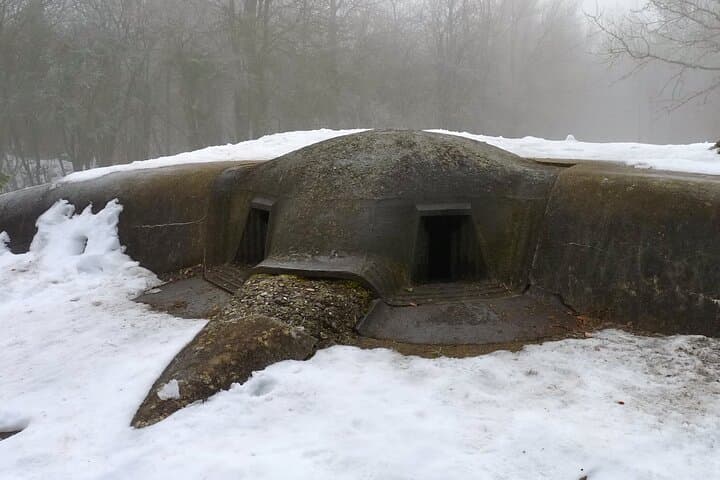
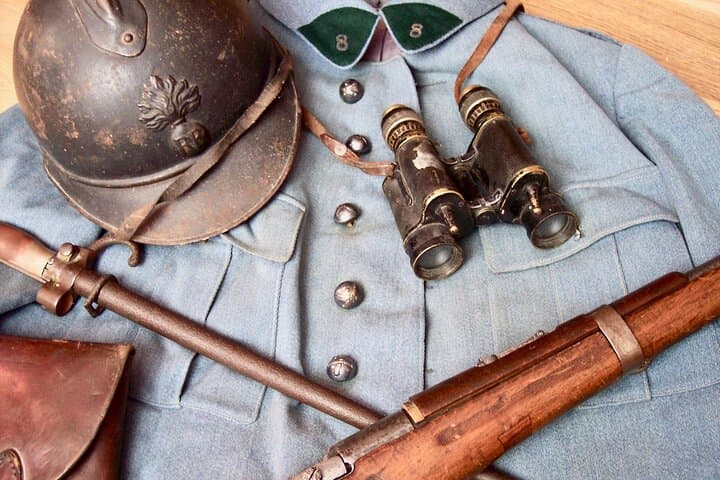
You step out of the coach into grey morning light and the flat fields around Verdun feel like a page turned back to 1916. Shell-cratered meadows, low stone forts half-swallowed by forest and the hush of memorials set the tone; your guide unfolds maps and eyewitness accounts as if laying weathered pages over the landscape.
Verified experiences and guided adventures in the surrounding area.
Operated by Terres de Mémoire · Verdun, Grand Est
You step out of the coach into grey morning light and the flat fields around Verdun feel like a page turned back to 1916. Shell-cratered meadows, low stone forts half-swallowed by forest and the hush of memorials set the tone; your guide unfolds maps and eyewitness accounts as if laying weathered pages over the landscape.
This region of northeastern France was the grinding center of the 1916 Battle of Verdun, where trench lines, forts such as Froideterre and Douaumont, and ruined villages like Fleury-devant-Douaumont tell a stark human story. Geologically the area is low-lying limestone and clay; forests now creep over former battle scars and paths trace old supply lines. Local culture honors sacrifice with carefully preserved ossuaries and museums—Douaumont Ossuary and the modernized Verdun Museum provide essential context.
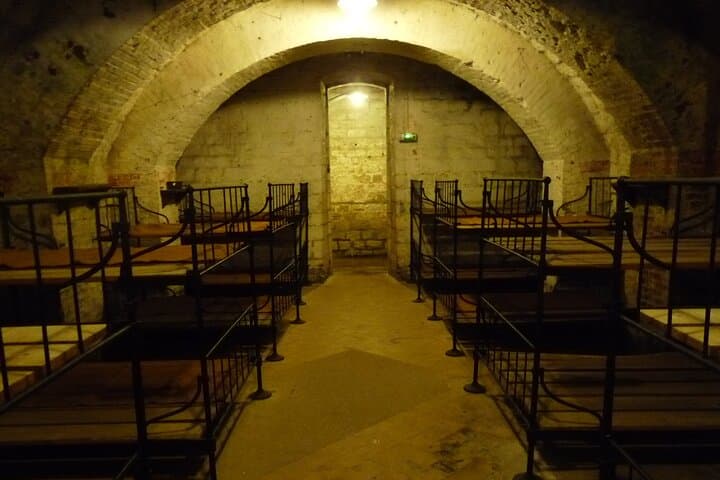
Practical guidance: expect a full, roughly 9-hour day with multiple short walks over uneven terrain, muddy tracks and cramped fort interiors. Wear supportive footwear with grip, layers for variable weather, and carry 1–2 liters of water and a packed lunch if not provided. Photography is allowed at many sites but observe signage and moments of silence. Respect fenced areas—some fields still contain unexploded ordnance and are restricted. Timing matters: starting from Reims in the morning avoids larger coach groups and gives softer light for photography. If you have a personal connection to the battle, share names or map points beforehand so the itinerary can be tailored. The tour blends historical depth with the tactile reality of the ground soldiers occupied—quiet, precise, and unflinching.
moderate.
9 hours.
Moderate fitness required: able to walk short stretches on uneven ground and climb stairs inside forts.
The private tour is about 9 hours and includes private transportation from Reims, guide services and museum fees as noted—confirm specifics with your operator.
Children can join but expect walking and uneven terrain; travelers should have moderate fitness. Some fort interiors have stairs and cramped passages which may be difficult for those with mobility issues.
Yes—guides can tailor stops when provided with names, units or specific sites of interest in advance.
Yes—some areas contain unexploded ordnance and are closed; always remain on marked paths and follow your guide’s instructions.
Verdun was the site of one of WWI’s longest and bloodiest engagements in 1916; monuments and the Douaumont Ossuary commemorate both French and German dead.
Many battlefield sites are managed to preserve memorials and prevent disturbance; visitors should avoid picking artifacts and respect fenced or signposted conservation areas.
Terres de Mémoire operates guided outdoor trips and adventures with an emphasis on safety, stewardship, and memorable experiences.
You step out of the coach into grey morning light and the flat fields around Verdun feel like a page turned back to 1916. Shell-cratered meadows, low stone forts half-swallowed by forest and the hush of memorials set the tone; your guide unfolds maps and eyewitness accounts as if laying weathered pages over the landscape.
You step out of the coach into grey morning light and the flat fields around Verdun feel like a page turned back to 1916. Shell-cratered meadows, low stone forts half-swallowed by forest and the hush of memorials set the tone; your guide unfolds maps and eyewitness accounts as if laying weathered pages over the landscape.
This region of northeastern France was the grinding center of the 1916 Battle of Verdun, where trench lines, forts such as Froideterre and Douaumont, and ruined villages like Fleury-devant-Douaumont tell a stark human story. Geologically the area is low-lying limestone and clay; forests now creep over former battle scars and paths trace old supply lines. Local culture honors sacrifice with carefully preserved ossuaries and museums—Douaumont Ossuary and the modernized Verdun Museum provide essential context.
Practical guidance: expect a full, roughly 9-hour day with multiple short walks over uneven terrain, muddy tracks and cramped fort interiors. Wear supportive footwear with grip, layers for variable weather, and carry 1–2 liters of water and a packed lunch if not provided. Photography is allowed at many sites but observe signage and moments of silence. Respect fenced areas—some fields still contain unexploded ordnance and are restricted. Timing matters: starting from Reims in the morning avoids larger coach groups and gives softer light for photography. If you have a personal connection to the battle, share names or map points beforehand so the itinerary can be tailored. The tour blends historical depth with the tactile reality of the ground soldiers occupied—quiet, precise, and unflinching.