THE ADVENTURE COLLECTIVE® · Independent discovery and booking for outdoor travel

Explore Venice on foot from St. Mark’s Square to San Pietro di Castello, following a route that traces the city’s relationship with water, wood and stone. This two-hour guided walk mixes history, ecology and city life with practical tips for navigating uneven stones and sudden tides.
Explore Venice on foot from St. Mark’s Square to San Pietro di Castello, following a route that traces the city’s relationship with water, wood and stone. This two-hour guided walk mixes history, ecology and city life with practical tips for navigating uneven stones and sudden tides.
The tour opens in the echoing space of St. Mark’s Square, where salt air slips between columns and the city’s relationship with water is visible in every worn stone and raised doorstep. From that bright plaza the group moves off the main drag, crossing narrow bridges and ancient fondamenta while the lagoon’s tide seems to breathe around the city — at times gentle, at times insistent.
Verified experiences and guided adventures in the surrounding area.
Operated by Arcadia Tour Operator e DMC · Venice, Veneto
The tour opens in the echoing space of St. Mark’s Square, where salt air slips between columns and the city’s relationship with water is visible in every worn stone and raised doorstep. From that bright plaza the group moves off the main drag, crossing narrow bridges and ancient fondamenta while the lagoon’s tide seems to breathe around the city — at times gentle, at times insistent.
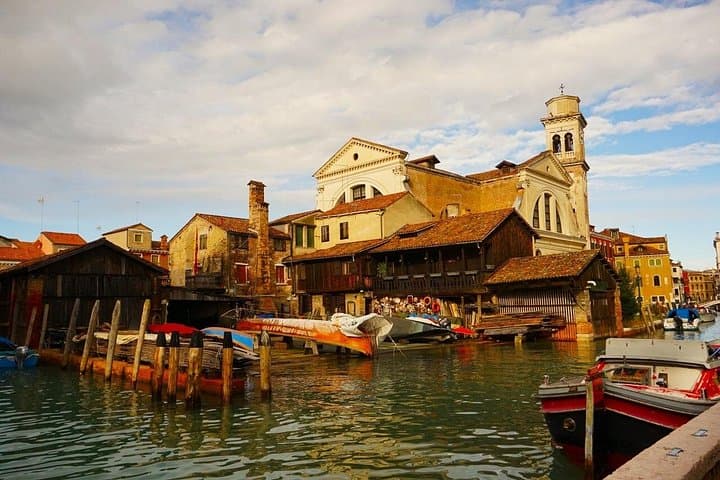
This two-hour walking route traces Venice’s practical history: stone quays cut from Istrian limestone, the Arsenale’s wooden docks where Venetian galleys were built, and the Biennale Gardens — a green pause that reveals the city’s careful ecological balance. Geologically the lagoon is a shallow, sediment-rich basin; culturally, Venice grew by mastering timber and masonry, driving a maritime economy that shaped the Mediterranean for centuries.
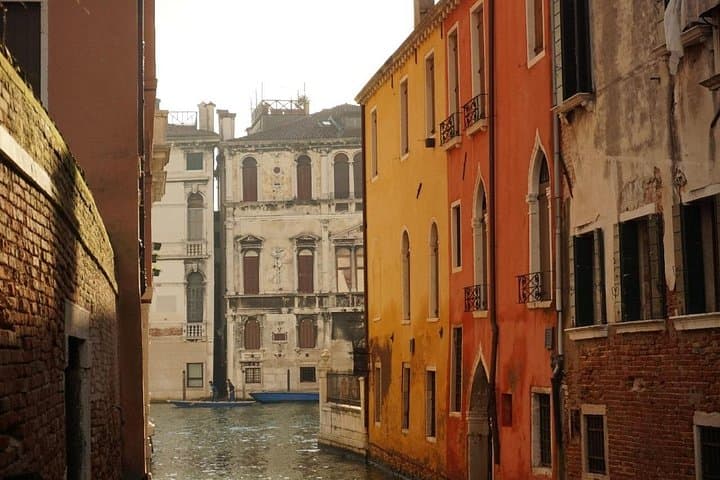
Expect paved calli, occasional wooden planks, and short flights of steps rather than steep climbs — elevation gain is negligible but footing can be uneven. The island of San Pietro di Castello offers a quieter endpoint, where bell towers and salt-stained façades make the influence of water tangible.
Practically: wear comfortable, grippy shoes and layered clothing, carry water and a light rain shell for sudden showers or acqua alta measures. Tours move at a steady, accessible pace suitable for most travelers; bring a camera and small change for vaporetto or café stops. Listen to the guide for local conservation notes — Venice is a living system that asks for respectful passage as much as it rewards close attention.
easy.
2 hours.
Suitable for most fitness levels; involves steady walking on flat to gently stepped urban terrain.
Most departures begin at St. Mark’s Square near the Correr Museum entrance; check your confirmation for the exact meeting point and time.
The route is generally flat but includes bridges and some narrow alleys; accessible alternatives may be limited—contact the operator ahead for accommodations.
Guides typically allow brief stops; bring small cash or a transit card if you plan to hop a vaporetto or buy refreshments.
Organizers monitor tides and may adjust routes; raised walkways or alternative paths are used when necessary, and tours rarely run in hazardous conditions.
Venice rose on driven wooden piles and stone quarried from Istria; the Arsenale was once the industrial heart of a maritime republic that dominated trade routes.
Rising seas and tourist pressure strain Venice’s fragile ecosystem; stick to marked paths, avoid feeding wildlife, and favor refillable bottles and low-impact behavior.
Arcadia Tour Operator e DMC operates guided outdoor trips and adventures with an emphasis on safety, stewardship, and memorable experiences.
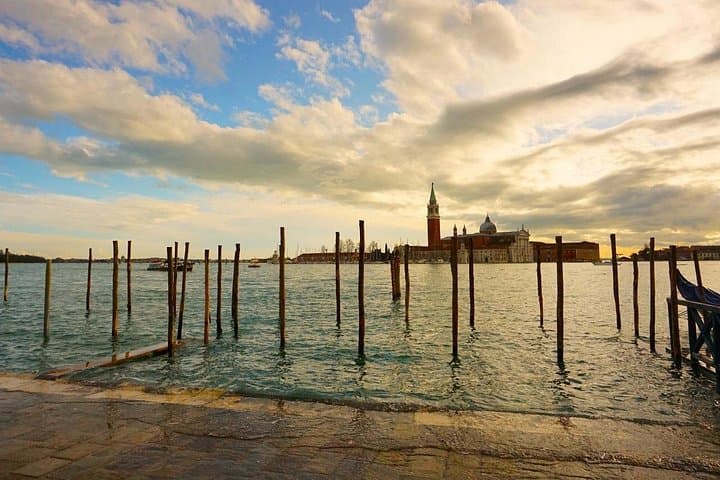
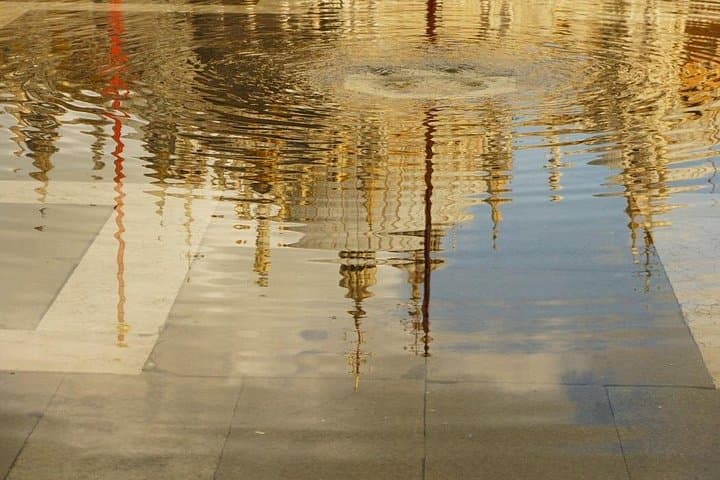
The tour opens in the echoing space of St. Mark’s Square, where salt air slips between columns and the city’s relationship with water is visible in every worn stone and raised doorstep. From that bright plaza the group moves off the main drag, crossing narrow bridges and ancient fondamenta while the lagoon’s tide seems to breathe around the city — at times gentle, at times insistent.
The tour opens in the echoing space of St. Mark’s Square, where salt air slips between columns and the city’s relationship with water is visible in every worn stone and raised doorstep. From that bright plaza the group moves off the main drag, crossing narrow bridges and ancient fondamenta while the lagoon’s tide seems to breathe around the city — at times gentle, at times insistent.
This two-hour walking route traces Venice’s practical history: stone quays cut from Istrian limestone, the Arsenale’s wooden docks where Venetian galleys were built, and the Biennale Gardens — a green pause that reveals the city’s careful ecological balance. Geologically the lagoon is a shallow, sediment-rich basin; culturally, Venice grew by mastering timber and masonry, driving a maritime economy that shaped the Mediterranean for centuries.
Expect paved calli, occasional wooden planks, and short flights of steps rather than steep climbs — elevation gain is negligible but footing can be uneven. The island of San Pietro di Castello offers a quieter endpoint, where bell towers and salt-stained façades make the influence of water tangible.
Practically: wear comfortable, grippy shoes and layered clothing, carry water and a light rain shell for sudden showers or acqua alta measures. Tours move at a steady, accessible pace suitable for most travelers; bring a camera and small change for vaporetto or café stops. Listen to the guide for local conservation notes — Venice is a living system that asks for respectful passage as much as it rewards close attention.