THE ADVENTURE COLLECTIVE® · Independent discovery and booking for outdoor travel

A compact, three-hour introduction to Venice: wander narrow alleys and St. Mark’s Square, then relax on a traditional gondola along the Grand Canal. Ideal for first-time visitors who want history, architecture and a waterborne perspective in one outing.
A compact, three-hour introduction to Venice: wander narrow alleys and St. Mark’s Square, then relax on a traditional gondola along the Grand Canal. Ideal for first-time visitors who want history, architecture and a waterborne perspective in one outing.
You step off a narrow bridge and the city opens in layered fragments: lacquered doors, laundry lines, and the distant lilt of an oar. The walking portion threads you through stone alleys and over 400 footbridges toward St. Mark’s — then a gondola waits to carry you along the Grand Canal, where palaces lean close to the water as if eavesdropping.
Verified experiences and guided adventures in the surrounding area.
Operated by ROMAETRAVEL · Venice, Veneto
You step off a narrow bridge and the city opens in layered fragments: lacquered doors, laundry lines, and the distant lilt of an oar. The walking portion threads you through stone alleys and over 400 footbridges toward St. Mark’s — then a gondola waits to carry you along the Grand Canal, where palaces lean close to the water as if eavesdropping.
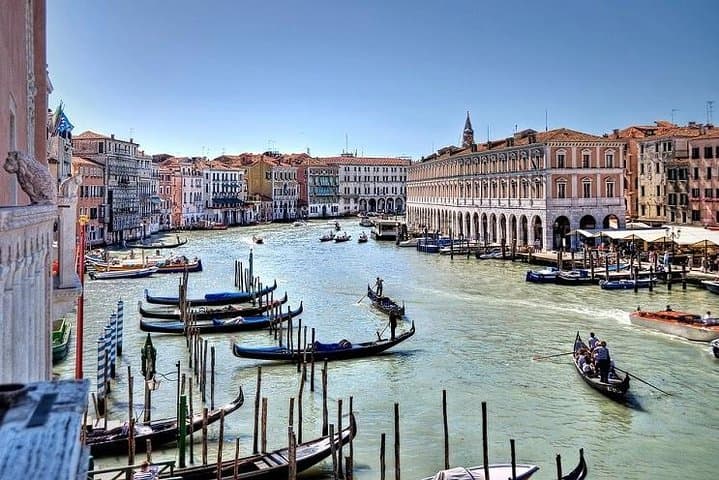
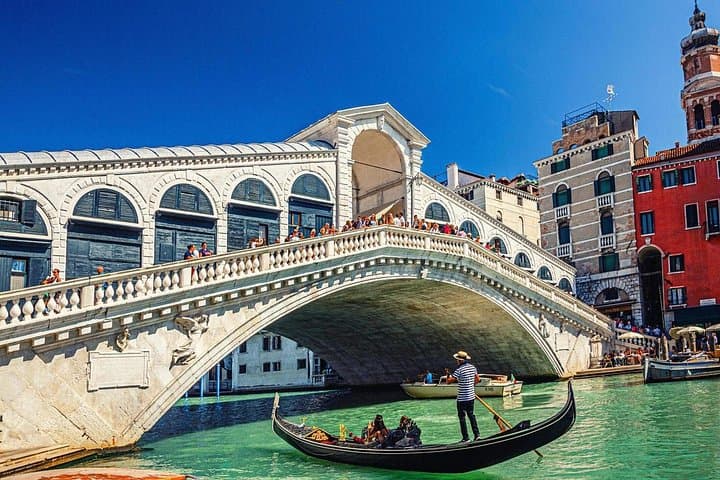
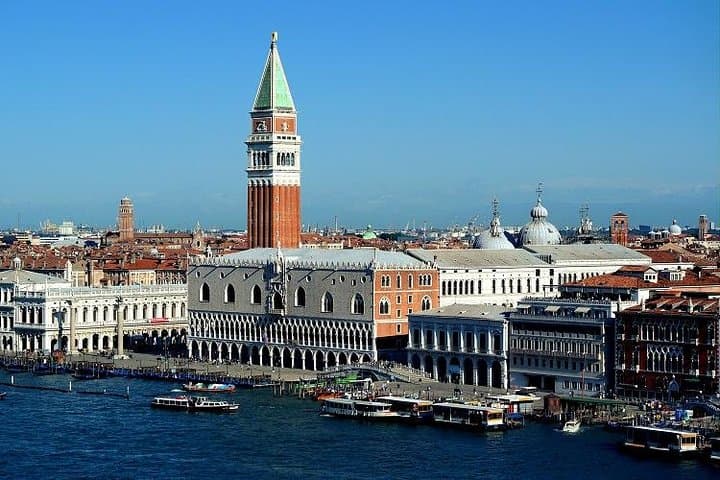
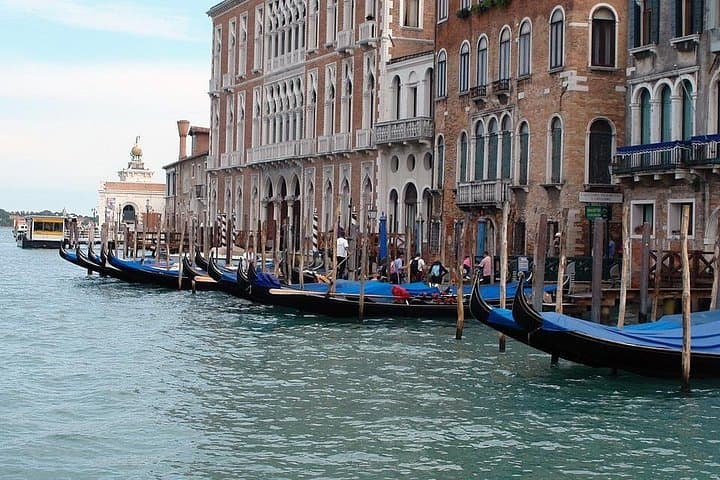
Venice sits on 117 islands in a shallow Adriatic lagoon, its streets born from centuries of boat traffic and salt-slowed stone. The Grand Canal’s reverse-S carve is older than the city itself; buildings here record shifts in trade, Gothic ambition and baroque renovation. Cultural touchstones — St. Mark’s Basilica, the Doge’s Palace and Rialto Bridge — tell a civic story of commerce, religion and maritime power. The Venetian Lagoon, meanwhile, is a living system of tides and mudflats that still shapes how Venetians move and manage the city.
Practically: this is an easy, urban walk of about three hours with short stops for photos and history, followed by a traditional gondola glide. Expect cobblestones and narrow stairways — comfortable, grippy shoes matter. Mornings are quieter and lower‑light for photos; late autumn and winter bring a higher chance of acqua alta (flooding) and require waterproof layers. Keep water, a small daypack and a charged phone for navigation. Note group size limits and that access fees to Venice may apply on certain dates. The combo of walking and watercraft gives a compact, sensory view of Venice — a ride through its past and the lagoon that still challenges it.
easy.
3 hours.
Suitable for most fitness levels; requires standing and walking on uneven surfaces for up to 90–120 minutes total.
Gondolas are typically shared on group tours; private gondola rides are available separately but are priced higher.
Yes—infants and small children can use strollers, though some bridges have steps and may require carrying the stroller briefly.
Venice has had a visitor entry fee on some dates; check official city guidance for the date you plan to visit as exemptions apply.
Walking and gondola segments generally proceed in light rain; in extreme weather local operators may modify timing or routes.
Founded on lagoon islands, Venice grew as a maritime republic from the 9th century and became a hub of Mediterranean trade and culture.
Rising tides, boat traffic and overtourism stress Venice and the lagoon; support local businesses, avoid littering and follow marked walkways to reduce impact.
ROMAETRAVEL operates guided outdoor trips and adventures with an emphasis on safety, stewardship, and memorable experiences.
You step off a narrow bridge and the city opens in layered fragments: lacquered doors, laundry lines, and the distant lilt of an oar. The walking portion threads you through stone alleys and over 400 footbridges toward St. Mark’s — then a gondola waits to carry you along the Grand Canal, where palaces lean close to the water as if eavesdropping.
You step off a narrow bridge and the city opens in layered fragments: lacquered doors, laundry lines, and the distant lilt of an oar. The walking portion threads you through stone alleys and over 400 footbridges toward St. Mark’s — then a gondola waits to carry you along the Grand Canal, where palaces lean close to the water as if eavesdropping.
Venice sits on 117 islands in a shallow Adriatic lagoon, its streets born from centuries of boat traffic and salt-slowed stone. The Grand Canal’s reverse-S carve is older than the city itself; buildings here record shifts in trade, Gothic ambition and baroque renovation. Cultural touchstones — St. Mark’s Basilica, the Doge’s Palace and Rialto Bridge — tell a civic story of commerce, religion and maritime power. The Venetian Lagoon, meanwhile, is a living system of tides and mudflats that still shapes how Venetians move and manage the city.
Practically: this is an easy, urban walk of about three hours with short stops for photos and history, followed by a traditional gondola glide. Expect cobblestones and narrow stairways — comfortable, grippy shoes matter. Mornings are quieter and lower‑light for photos; late autumn and winter bring a higher chance of acqua alta (flooding) and require waterproof layers. Keep water, a small daypack and a charged phone for navigation. Note group size limits and that access fees to Venice may apply on certain dates. The combo of walking and watercraft gives a compact, sensory view of Venice — a ride through its past and the lagoon that still challenges it.