THE ADVENTURE COLLECTIVE® · Independent discovery and booking for outdoor travel

Walk through Venice’s best tastes in 2½ hours: cicchetti, tramezzini and Rialto Market’s morning energy. This small-group tour pairs local history and practical market know-how with samples served at tiny bacari and stalls.
Walk through Venice’s best tastes in 2½ hours: cicchetti, tramezzini and Rialto Market’s morning energy. This small-group tour pairs local history and practical market know-how with samples served at tiny bacari and stalls.
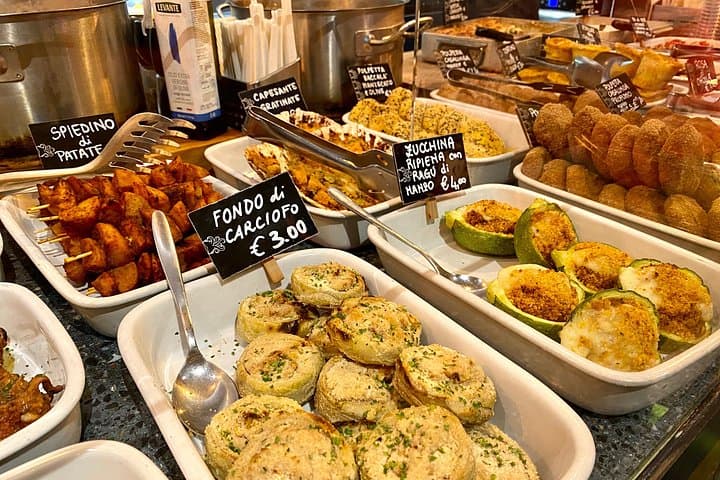
Step off a side calle and you are immediately inside Venice’s pulse: the clack of heels on stone, the tug of a canal breeze that smells faintly of sea and frying oil, and a guide who gestures you toward a parade of tiny plates. Over the next 2½ hours the city becomes a set of edible clues—tramezzini folded like miniature maps, cicchetti stacked on wooden boards, buranelli biscuits sweetly dry, and scoops of gelato that cool a warm face.
Verified experiences and guided adventures in the surrounding area.
Operated by Private Tours of Venice · Venice, Veneto
Step off a side calle and you are immediately inside Venice’s pulse: the clack of heels on stone, the tug of a canal breeze that smells faintly of sea and frying oil, and a guide who gestures you toward a parade of tiny plates. Over the next 2½ hours the city becomes a set of edible clues—tramezzini folded like miniature maps, cicchetti stacked on wooden boards, buranelli biscuits sweetly dry, and scoops of gelato that cool a warm face.
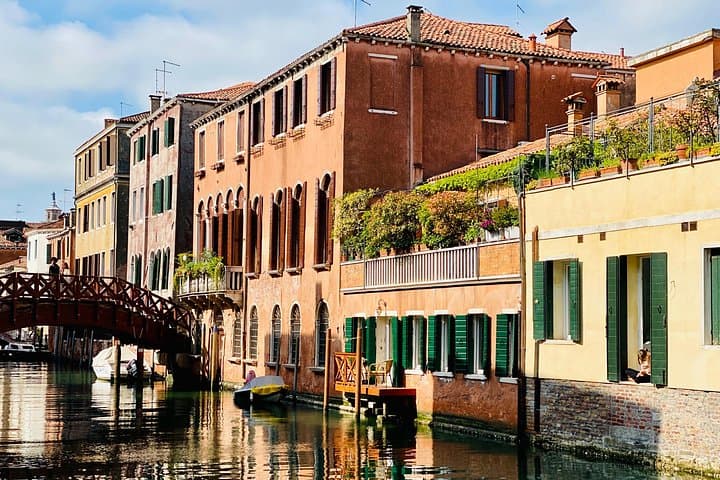
The route follows the spine of old Venice. Campo San Bartolomeo, where you meet, sits near the medieval arteries that funneled goods into the Rialto market for centuries. Rialto wasn’t only a fish market—it was Venice’s economic center from the 11th century, where tidal channels and human engineering met in a deliberate, messy dance. The lagoon’s geology—silt, peat, and shifting channels—shaped the streets you walk now, forcing Venetians to build a city on water and commerce.
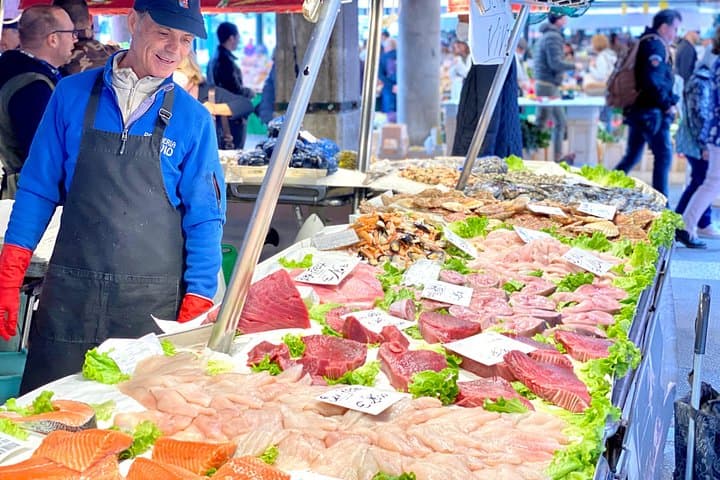
The tour threads history and habit. You’ll pause at Basilica dei Frari’s austere brick face and wander through Campo Santa Margherita, where university students still sip spritz and argue about art. At Rialto, the market pulls you in: scales clink, vendors dare you to taste raw seafood, and the morning’s light turns gutted fish into a study in silver and pink. The guide translates local shorthand—what to splurge on, which stalls sell the best sardines, and why a particular bacaro still makes the city’s tramezzini correctly.
Practicality sits under the charm. The route moves through narrow, often crowded streets and ends in Campo Santa Margherita. The tour runs in a small group—max 14—and includes multiple tastings; still, vegans, gluten-free and strict dairy-free diets are not accommodated without advance notice, and the Rialto fish market is closed Sundays, Mondays and public holidays. Note: an occasional €5 city access fee may apply for day visitors—check cda.ve.it for dates and exemptions.
Plan for walking: comfortable shoes, a light rain layer in shoulder seasons, and a small amount of cash for extra purchases. Arrive on time—the guide waits a maximum of five minutes—and schedule the tour for early morning if you want fish market energy at its peak and fewer crowds. Bring curiosity more than appetite: most stops are sampling size, but they’ll sketch a food map you can use for the rest of your stay.
This is a tour about tasting and context—about how a city built on water turns simple food into a way to read its streets.
moderate.
2–3 hours.
Moderate; expect repeated short walks and standing while sampling at stalls
Yes; the tour includes multiple tastings—cicchetti, tramezzini, sweets and gelato are part of the itinerary.
The meeting point is Campo San Bartolomeo near the statue; the tour finishes in Campo Santa Margherita.
Vegetarian options are available if requested at booking; the tour does not accommodate vegans or strict gluten/dairy-free diets without prior notice.
No—Rialto fish market is closed Sundays, Mondays and on public holidays; check dates before booking.
Infants and small children can use a stroller, but cobblestones and crowds make it less convenient for very young toddlers.
The guide waits up to five minutes; refunds are not issued for missed departures due to late arrival.
Rialto has been Venice’s commercial heart since the 11th century; its market shaped the city’s trade networks and urban layout.
Venice faces overtourism and fragile lagoon ecology; favor local vendors, avoid single-use plastics and follow guidance to reduce your footprint.
Private Tours of Venice operates guided outdoor trips and adventures with an emphasis on safety, stewardship, and memorable experiences.
Step off a side calle and you are immediately inside Venice’s pulse: the clack of heels on stone, the tug of a canal breeze that smells faintly of sea and frying oil, and a guide who gestures you toward a parade of tiny plates. Over the next 2½ hours the city becomes a set of edible clues—tramezzini folded like miniature maps, cicchetti stacked on wooden boards, buranelli biscuits sweetly dry, and scoops of gelato that cool a warm face.
Step off a side calle and you are immediately inside Venice’s pulse: the clack of heels on stone, the tug of a canal breeze that smells faintly of sea and frying oil, and a guide who gestures you toward a parade of tiny plates. Over the next 2½ hours the city becomes a set of edible clues—tramezzini folded like miniature maps, cicchetti stacked on wooden boards, buranelli biscuits sweetly dry, and scoops of gelato that cool a warm face.
The route follows the spine of old Venice. Campo San Bartolomeo, where you meet, sits near the medieval arteries that funneled goods into the Rialto market for centuries. Rialto wasn’t only a fish market—it was Venice’s economic center from the 11th century, where tidal channels and human engineering met in a deliberate, messy dance. The lagoon’s geology—silt, peat, and shifting channels—shaped the streets you walk now, forcing Venetians to build a city on water and commerce.
The tour threads history and habit. You’ll pause at Basilica dei Frari’s austere brick face and wander through Campo Santa Margherita, where university students still sip spritz and argue about art. At Rialto, the market pulls you in: scales clink, vendors dare you to taste raw seafood, and the morning’s light turns gutted fish into a study in silver and pink. The guide translates local shorthand—what to splurge on, which stalls sell the best sardines, and why a particular bacaro still makes the city’s tramezzini correctly.
Practicality sits under the charm. The route moves through narrow, often crowded streets and ends in Campo Santa Margherita. The tour runs in a small group—max 14—and includes multiple tastings; still, vegans, gluten-free and strict dairy-free diets are not accommodated without advance notice, and the Rialto fish market is closed Sundays, Mondays and public holidays. Note: an occasional €5 city access fee may apply for day visitors—check cda.ve.it for dates and exemptions.
Plan for walking: comfortable shoes, a light rain layer in shoulder seasons, and a small amount of cash for extra purchases. Arrive on time—the guide waits a maximum of five minutes—and schedule the tour for early morning if you want fish market energy at its peak and fewer crowds. Bring curiosity more than appetite: most stops are sampling size, but they’ll sketch a food map you can use for the rest of your stay.
This is a tour about tasting and context—about how a city built on water turns simple food into a way to read its streets.