THE ADVENTURE COLLECTIVE® · Independent discovery and booking for outdoor travel

Walk the real-life sets of cinema’s favorite city. This two-hour private tour follows iconic Venice locations from Rialto to San Barnaba, tracing scenes from classic and modern films while offering practical tips on timing, terrain and local rules.
Walk the real-life sets of cinema’s favorite city. This two-hour private tour follows iconic Venice locations from Rialto to San Barnaba, tracing scenes from classic and modern films while offering practical tips on timing, terrain and local rules.
You step out of Santa Lucia station and the city rearranges itself like a film set: narrow alleys frame sudden canals, laundromats and palazzos share the same stage, and gondolas slice reflections as if rewinding a scene.
Verified experiences and guided adventures in the surrounding area.
Operated by deTourist Venice Valerio Coppo · Venice, Veneto
You step out of Santa Lucia station and the city rearranges itself like a film set: narrow alleys frame sudden canals, laundromats and palazzos share the same stage, and gondolas slice reflections as if rewinding a scene.
Venice’s cinematic role dates back to 1896 when Alexandre Promio filmed gondolas on the Grand Canal; since then directors from Visconti to Sorrentino have used the city’s stone bridges, Baroque facades and odd urban geometry to tell stories. Geology and hydrology shape that mise-en-scène—salt flats, lagoon tides and centuries of silted foundations give Venice its watery streets and unique acoustics, while landmarks like La Fenice and the Jewish Ghetto offer architectural backdrops rich with cultural layers.
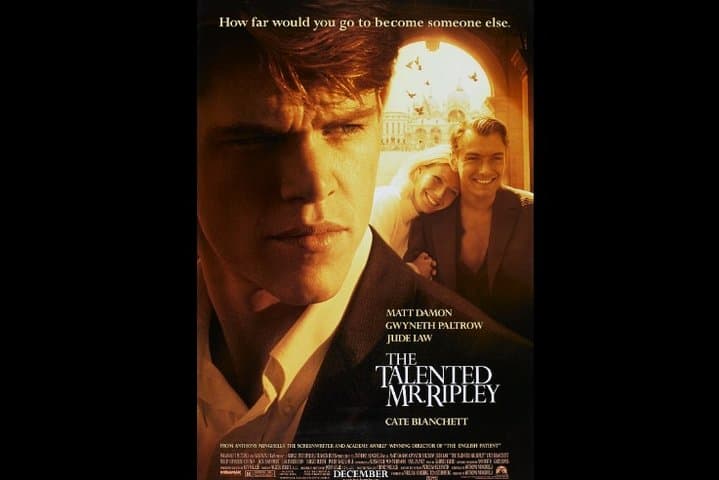
On this private, two-hour walk you’ll pass the Rialto fish market, San Marco’s fringes, San Barnaba’s basements and quiet campos that doubled as sets for everything from "The Talented Mr. Ripley" to "Spider-Man: Far From Home." Guides point out camera angles, on-screen substitutions (many interiors were shot elsewhere) and trivia that tie locations to plot and production.
Practical edge: the route is mainly flat stone and packed brick—expect cobbles, occasional stairs at bridges and crowded passages. Bring comfortable shoes, a light jacket for lagoon breezes and a pocket-sized map or downloaded offline map; check whether a municipal access fee applies on your visit day. Mornings cut through crowds; late afternoons give warmer light for photography. Keep a steady pace to cover highlights without missing the small, off-script corners that make Venice so cinematically stubborn.
easy.
2 hours.
Suitable for anyone comfortable with 1–3 miles of walking on cobbles and short bridge stairs
Most tours meet at Venezia Santa Lucia railway station or a prearranged nearby landmark; confirm the exact point on booking.
The route includes bridges and cobbles; some sections are stroller- and wheelchair-friendly while others require steps—check accessibility options when booking.
Guides are typically licensed and may offer multiple languages—confirm language availability when you reserve the private tour.
Venice may charge a day access fee for non-resident visitors on specific dates; check the municipal tourism site or your operator’s guidance before arrival.
Venice’s lagoon and Grand Canal were filmed as early as the 1890s; theaters like La Fenice later became cinematic icons after being rebuilt and featured in postwar films.
High visitor volume stresses narrow streets and fragile foundations—follow marked paths, avoid feeding birds, and respect private property to reduce impact.
deTourist Venice Valerio Coppo operates guided outdoor trips and adventures with an emphasis on safety, stewardship, and memorable experiences.


You step out of Santa Lucia station and the city rearranges itself like a film set: narrow alleys frame sudden canals, laundromats and palazzos share the same stage, and gondolas slice reflections as if rewinding a scene.
You step out of Santa Lucia station and the city rearranges itself like a film set: narrow alleys frame sudden canals, laundromats and palazzos share the same stage, and gondolas slice reflections as if rewinding a scene.
Venice’s cinematic role dates back to 1896 when Alexandre Promio filmed gondolas on the Grand Canal; since then directors from Visconti to Sorrentino have used the city’s stone bridges, Baroque facades and odd urban geometry to tell stories. Geology and hydrology shape that mise-en-scène—salt flats, lagoon tides and centuries of silted foundations give Venice its watery streets and unique acoustics, while landmarks like La Fenice and the Jewish Ghetto offer architectural backdrops rich with cultural layers.
On this private, two-hour walk you’ll pass the Rialto fish market, San Marco’s fringes, San Barnaba’s basements and quiet campos that doubled as sets for everything from "The Talented Mr. Ripley" to "Spider-Man: Far From Home." Guides point out camera angles, on-screen substitutions (many interiors were shot elsewhere) and trivia that tie locations to plot and production.
Practical edge: the route is mainly flat stone and packed brick—expect cobbles, occasional stairs at bridges and crowded passages. Bring comfortable shoes, a light jacket for lagoon breezes and a pocket-sized map or downloaded offline map; check whether a municipal access fee applies on your visit day. Mornings cut through crowds; late afternoons give warmer light for photography. Keep a steady pace to cover highlights without missing the small, off-script corners that make Venice so cinematically stubborn.