THE ADVENTURE COLLECTIVE® · Independent discovery and booking for outdoor travel

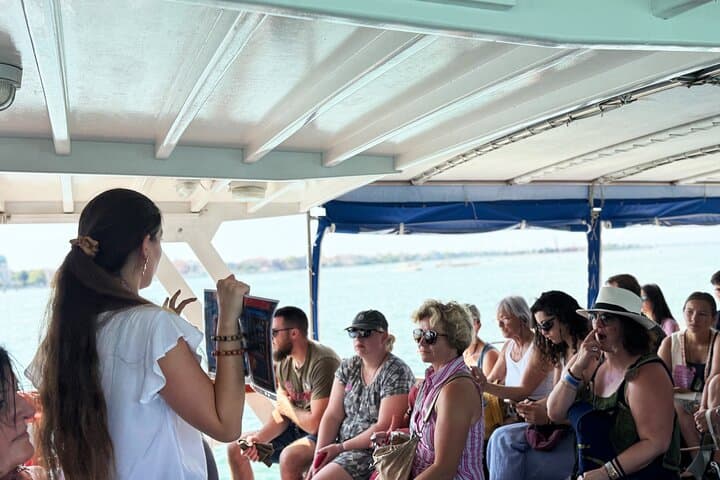
Board a comfortable boat from San Marco and spend a half day among Murano’s glassblowers and Burano’s riot of colors. This guided tour pairs live demonstrations with local history and straightforward tips for making the most of the lagoon islands.
Board a comfortable boat from San Marco and spend a half day among Murano’s glassblowers and Burano’s riot of colors. This guided tour pairs live demonstrations with local history and straightforward tips for making the most of the lagoon islands.
A wake-up call of gulls and the slap of oars against wooden piers: you step away from St. Mark’s square and onto a low-slung boat that slips out into the Venice lagoon.
Verified experiences and guided adventures in the surrounding area.
Operated by CITY TOURS CO. LTD · Venice, Veneto
A wake-up call of gulls and the slap of oars against wooden piers: you step away from St. Mark’s square and onto a low-slung boat that slips out into the Venice lagoon.
The water has a voice here—brackish and shallow, it pushes the boat toward Murano where glass in molten bloom gives the island its heat and rhythm. In a workshop heated by a coal-fired furnace, a maestro draws a glowing goblet from the flow; sparks and breath choreograph a shape that has been made the same way for centuries.
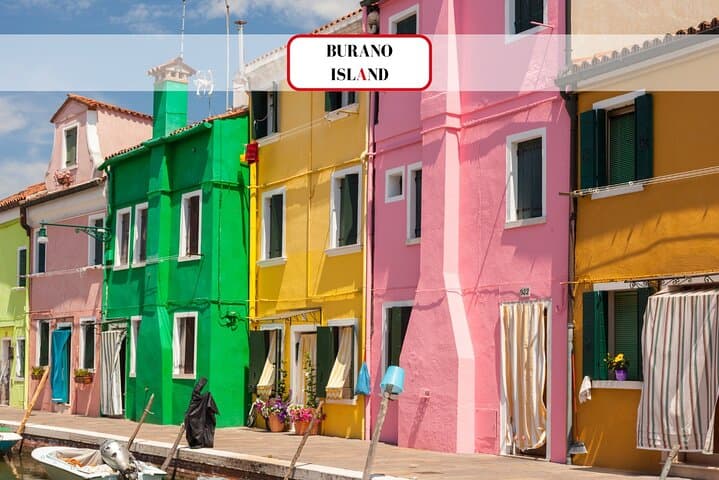
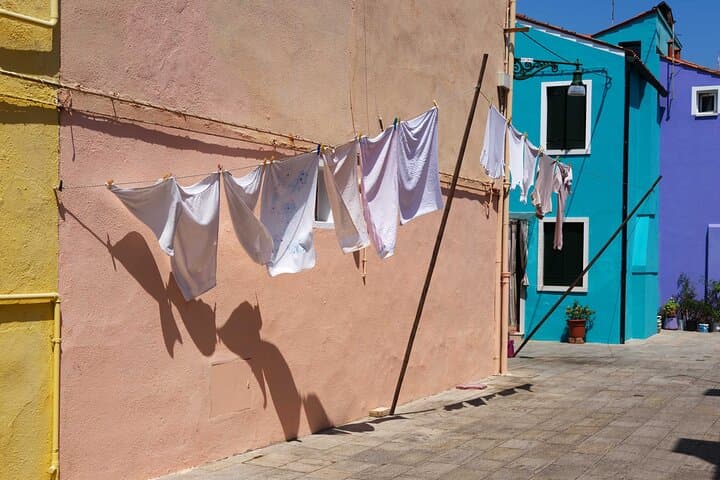
From Murano the boat eases across channels formed by tidal currents and centuries of silt, arriving at Burano, where facades answer each other in color and narrow streets hum with lacemaking lore. Both islands are small cultural archives: Murano’s glass trade centralized in the 13th century to protect Venice from fires, while Burano’s lace refined techniques exported across Europe.
Practicalities are simple: tours typically run four to five hours with guided walking segments and included demonstrations. Wear sturdy, flat footwear—cobblestones and wooden footbridges dominate—and a jacket against the lagoon wind. Bring a reusable water bottle and a camera with a zoom; reflections on canals make for striking photos.
Plan morning departures for softer light and smaller crowds; if you linger after the guided portion, respect workshop rules and avoid touching works in progress. The islands reward slow movement: follow a side canal, listen to the tide whisper around house foundations, and leave the tour with a clearer sense of how human craft and this low sea have shaped each other.
easy.
4–5 hours.
Suitable for most fitness levels; involves short, flat walks and boat transfers.
Most tours board from the San Marco area near the main vaporetto stops; exact meeting instructions are provided at booking.
Yes—live glassblowing demonstrations in Murano are included; lace demonstrations in Burano are available depending on the option selected.
Yes; the tour is rated suitable for all fitness levels, but families should account for boat transfers and some walking on uneven surfaces.
Large luggage is not practical—space on boats is limited and sidewalks are narrow; use hotel storage or keep items compact.
Murano’s glassmakers were moved from Venice in the 13th century to control fires and protect trade secrets; Burano grew wealthy on lace exported across Europe.
The Venice lagoon is an ecologically sensitive area—stay on marked paths, avoid littering, and support local artisans rather than buying mass-produced souvenirs.
CITY TOURS CO. LTD operates guided outdoor trips and adventures with an emphasis on safety, stewardship, and memorable experiences.
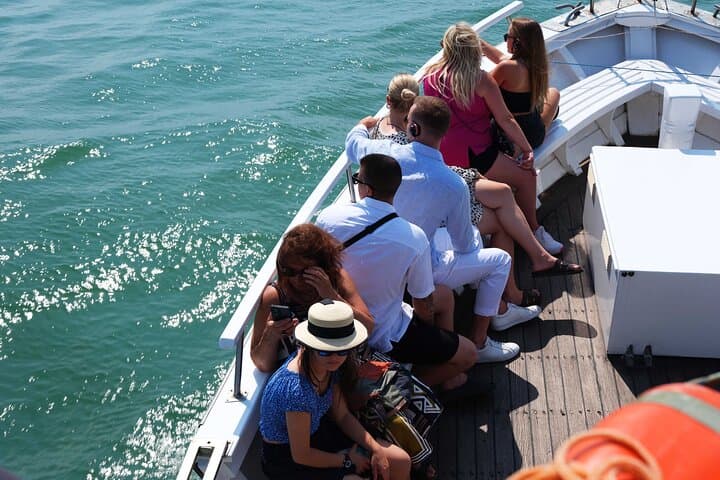
A wake-up call of gulls and the slap of oars against wooden piers: you step away from St. Mark’s square and onto a low-slung boat that slips out into the Venice lagoon.
A wake-up call of gulls and the slap of oars against wooden piers: you step away from St. Mark’s square and onto a low-slung boat that slips out into the Venice lagoon.
The water has a voice here—brackish and shallow, it pushes the boat toward Murano where glass in molten bloom gives the island its heat and rhythm. In a workshop heated by a coal-fired furnace, a maestro draws a glowing goblet from the flow; sparks and breath choreograph a shape that has been made the same way for centuries.
From Murano the boat eases across channels formed by tidal currents and centuries of silt, arriving at Burano, where facades answer each other in color and narrow streets hum with lacemaking lore. Both islands are small cultural archives: Murano’s glass trade centralized in the 13th century to protect Venice from fires, while Burano’s lace refined techniques exported across Europe.
Practicalities are simple: tours typically run four to five hours with guided walking segments and included demonstrations. Wear sturdy, flat footwear—cobblestones and wooden footbridges dominate—and a jacket against the lagoon wind. Bring a reusable water bottle and a camera with a zoom; reflections on canals make for striking photos.
Plan morning departures for softer light and smaller crowds; if you linger after the guided portion, respect workshop rules and avoid touching works in progress. The islands reward slow movement: follow a side canal, listen to the tide whisper around house foundations, and leave the tour with a clearer sense of how human craft and this low sea have shaped each other.