THE ADVENTURE COLLECTIVE® · Independent discovery and booking for outdoor travel

Spend three hours moving from St. Mark’s grandeur to the hush of back canals with a local guide, then glide on a classic gondola—perfect for first-time visitors who want a compact, informative introduction to Venice’s culture and waterways.
Spend three hours moving from St. Mark’s grandeur to the hush of back canals with a local guide, then glide on a classic gondola—perfect for first-time visitors who want a compact, informative introduction to Venice’s culture and waterways.
You begin on a quiet campo before tourist chatter arrives, the morning light cutting across damp stone and the lagune breathing cool salt into the alleys. A guide folds a small map into their palm and points down a narrow calli; you follow, feet clacking on centuries-old cobbles, passing merchants opening shutters, fountains that have been drinking the same water for generations. By the time the gondolas hug the water’s edge, the city is waking and the canals are daring you to slow down.
Verified experiences and guided adventures in the surrounding area.
You begin on a quiet campo before tourist chatter arrives, the morning light cutting across damp stone and the lagune breathing cool salt into the alleys. A guide folds a small map into their palm and points down a narrow calli; you follow, feet clacking on centuries-old cobbles, passing merchants opening shutters, fountains that have been drinking the same water for generations. By the time the gondolas hug the water’s edge, the city is waking and the canals are daring you to slow down.
This three‑hour combined walking and gondola tour stitches the essential Venice itinerary into a single arc: St. Mark’s grandeur and Byzantine mosaics, the Rialto’s marketed chaos, then the intimate, slower world of side canals and osterie accessible only by narrow waterways. Venice itself is a human-built lagoon—sediment, salt marshes, and trade routes shaped by lagoon hydrology and centuries of commerce. The stone façades you pass tell the story of the Republic of Venice: a maritime power whose wealth from salt and trade is still written in palazzi and engraved on stone.
Culturally, the gondola ride is compact history and technique. Gondoliers steer asymmetrical boats designed to counterbalance the current; their songs and banter are part performance, part local knowledge. The guide will explain the rigging and the social codes that once regulated who could own which style of palazzo and which canal you were allowed to use.
Practicalities matter here. Expect roughly 2–3 kilometers of walking across cobblestone streets and dozens of bridge steps—most bridges have 20–40 shallow steps, and there is minimal flat terrain. Wear shoes with good grip; bring a small daypack. The gondola portion lasts about 25–30 minutes and offers a perspective you can’t gain on foot: the undersides of bridges, private gardens framed behind wrought iron, and the slow language of water against wood.
Timing is everything: mornings keep crowds lower and light cleaner for photos; late spring and early fall are ideal for temperate weather. Be ready for occasional acqua alta (high water) in fall and winter—pack waterproof footwear or a lightweight rain jacket.
Booking is instant and often cancellable, but confirm your meeting point ahead of time—Venice’s streets are famously labyrinthine. The experience balances storytelling with movement: you leave with photos of grand vistas and the intimate knowledge of how this city keeps afloat and why seeing it from both land and water makes the visit whole.
moderate.
3 hours.
Moderate fitness—able to walk 2–3 km on uneven cobblestones and climb multiple bridge steps without difficulty.
The gondola portion is typically 25–30 minutes—long enough to see hidden canals and small palazzi not reachable on foot.
Meeting points vary by operator; confirm the exact campo or landmark in advance and allow extra time for winding alleys.
Yes—families with children can join, but be mindful of stroller access; many bridges require carrying a stroller over steps.
No—singing is optional and depends on the gondolier; some prefer to narrate local history instead.
Tours may proceed with waterproof footwear or change plans; operators usually notify guests in advance and offer alternatives or refunds.
Tipping is customary though not required; a small cash tip (a few euros per person) is appreciated for good service.
Venice grew from marsh islands into a maritime republic powered by salt and sea trade; its palazzi and canals reflect centuries of mercantile wealth and political craft.
The city faces ongoing challenges with overtourism and acqua alta; support small local businesses and follow rules about not sitting on monuments to help preserve fragile stone and cultural sites.
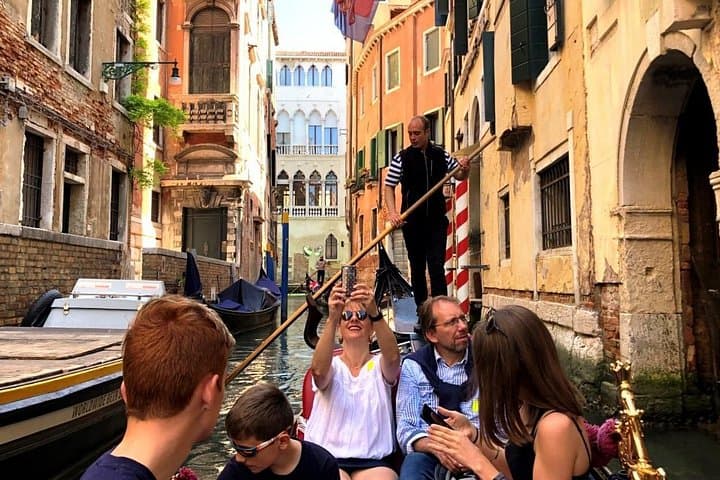
You begin on a quiet campo before tourist chatter arrives, the morning light cutting across damp stone and the lagune breathing cool salt into the alleys. A guide folds a small map into their palm and points down a narrow calli; you follow, feet clacking on centuries-old cobbles, passing merchants opening shutters, fountains that have been drinking the same water for generations. By the time the gondolas hug the water’s edge, the city is waking and the canals are daring you to slow down.
You begin on a quiet campo before tourist chatter arrives, the morning light cutting across damp stone and the lagune breathing cool salt into the alleys. A guide folds a small map into their palm and points down a narrow calli; you follow, feet clacking on centuries-old cobbles, passing merchants opening shutters, fountains that have been drinking the same water for generations. By the time the gondolas hug the water’s edge, the city is waking and the canals are daring you to slow down.
This three‑hour combined walking and gondola tour stitches the essential Venice itinerary into a single arc: St. Mark’s grandeur and Byzantine mosaics, the Rialto’s marketed chaos, then the intimate, slower world of side canals and osterie accessible only by narrow waterways. Venice itself is a human-built lagoon—sediment, salt marshes, and trade routes shaped by lagoon hydrology and centuries of commerce. The stone façades you pass tell the story of the Republic of Venice: a maritime power whose wealth from salt and trade is still written in palazzi and engraved on stone.
Culturally, the gondola ride is compact history and technique. Gondoliers steer asymmetrical boats designed to counterbalance the current; their songs and banter are part performance, part local knowledge. The guide will explain the rigging and the social codes that once regulated who could own which style of palazzo and which canal you were allowed to use.
Practicalities matter here. Expect roughly 2–3 kilometers of walking across cobblestone streets and dozens of bridge steps—most bridges have 20–40 shallow steps, and there is minimal flat terrain. Wear shoes with good grip; bring a small daypack. The gondola portion lasts about 25–30 minutes and offers a perspective you can’t gain on foot: the undersides of bridges, private gardens framed behind wrought iron, and the slow language of water against wood.
Timing is everything: mornings keep crowds lower and light cleaner for photos; late spring and early fall are ideal for temperate weather. Be ready for occasional acqua alta (high water) in fall and winter—pack waterproof footwear or a lightweight rain jacket.
Booking is instant and often cancellable, but confirm your meeting point ahead of time—Venice’s streets are famously labyrinthine. The experience balances storytelling with movement: you leave with photos of grand vistas and the intimate knowledge of how this city keeps afloat and why seeing it from both land and water makes the visit whole.