THE ADVENTURE COLLECTIVE® · Independent discovery and booking for outdoor travel

Board a vaporetto and spend half a day exploring Murano’s glass masters, Burano’s lacework and Torcello’s ancient cathedral with a local guide. This lagoon circuit combines craft demonstrations, colorful streets, and quiet historical sites—bring comfortable shoes and a vaporetto pass.
Board a vaporetto and spend half a day exploring Murano’s glass masters, Burano’s lacework and Torcello’s ancient cathedral with a local guide. This lagoon circuit combines craft demonstrations, colorful streets, and quiet historical sites—bring comfortable shoes and a vaporetto pass.
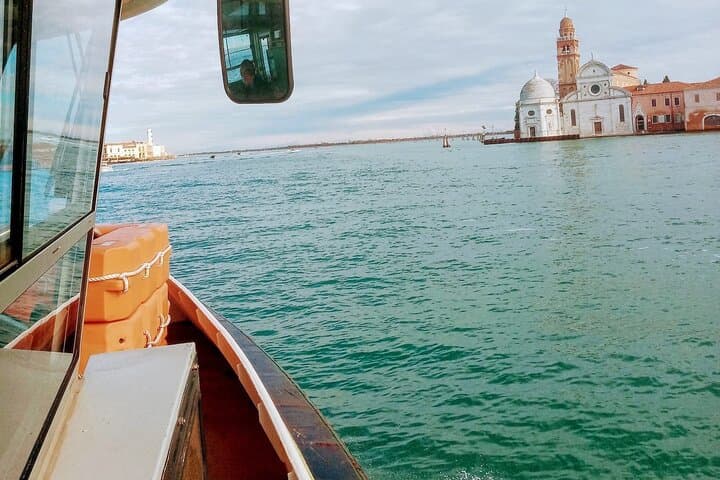
The vaporetto nudges away from the canal and the lagoon opens like a patient companion, its surface catching the late-morning light as the guide points toward low, colorful rooftops.
Verified experiences and guided adventures in the surrounding area.
Operated by Andreapaolo Barbini Accompagnatore Turistico · Venice, Veneto
The vaporetto nudges away from the canal and the lagoon opens like a patient companion, its surface catching the late-morning light as the guide points toward low, colorful rooftops.
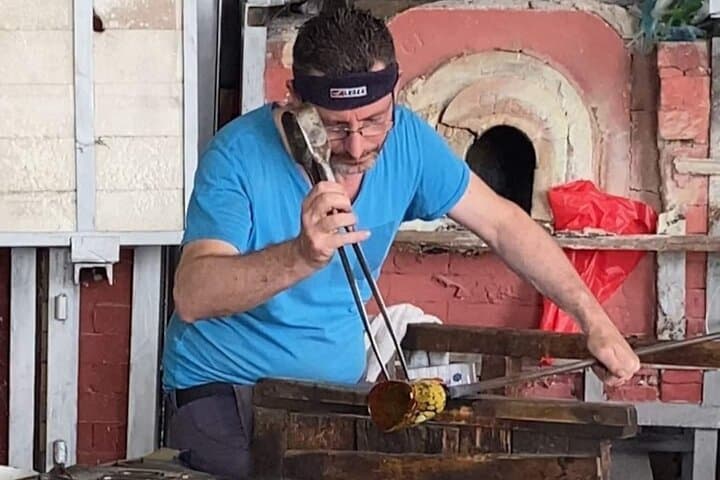
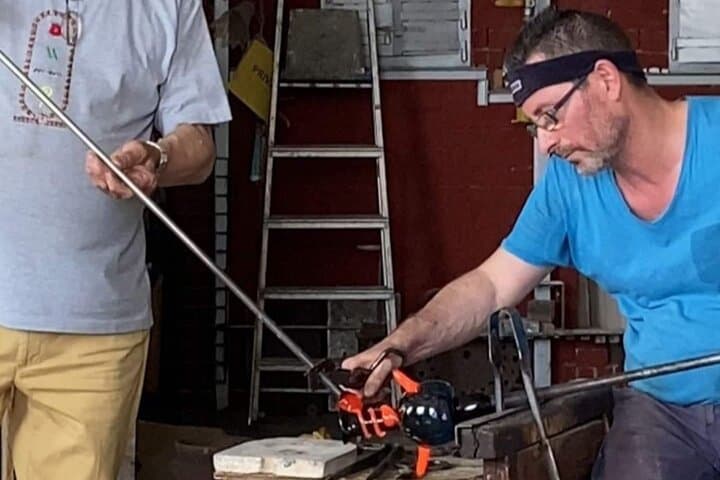
Across five and a half hours the small communities of Murano, Burano and Torcello reveal different chapters of Venetian life: Murano's glass studios where centuries-old techniques were concentrated for safety and secrecy; Burano's bright fishermen's houses and its centuries-old lace tradition, part folklore and part craft; and Torcello's quiet cathedral island, an early medieval foothold after the fall of Rome with mosaics that still hold stories in stone.
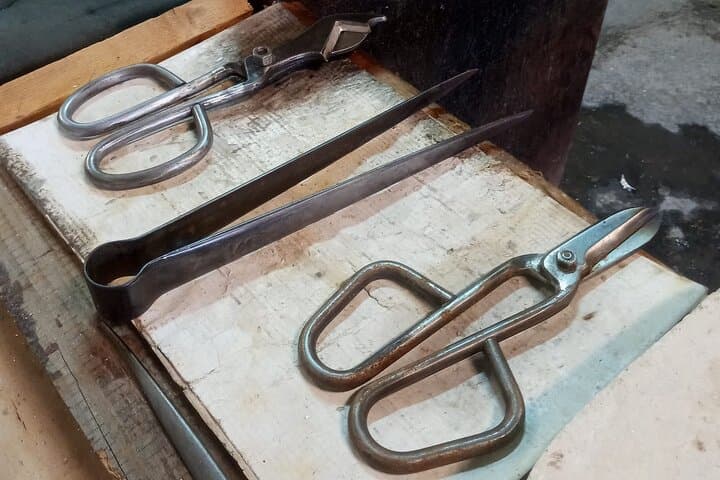
Geologically the lagoon is a shallow, dynamic marshland—sandbanks and tidal channels redirect you and the vaporetto alike—so timing with tides and light matters. Culturally the islands are working neighborhoods not theme-park reconstructions: ovens, forges and lace frames still hum when you arrive.
Practically: bring a 24‑hour vaporetto day ticket (about €20) and wear comfortable walking shoes for cobbled streets and low wooden bridges. Expect several short walks between piers and inside artisan workshops; audio can be challenging in open-air settings, so stand near the guide for commentary. Pack a light layer against lagoon winds and a small bag for any purchases—glass pieces and lace travel best wrapped and carried.
Photography is best in morning or late afternoon light; midday crowds are higher on Burano. The tour is low-impact but respect shop rules in working studios and keep to marked paths on Torcello to protect fragile archaeological sites.
easy.
5–6 hours.
Suitable for most fitness levels; involves multiple short walks and standing during demonstrations.
Yes—participants must have a valid ACTV vaporetto ticket for island travel; you can buy a 24‑hour ticket at terminals or local kiosks on arrival.
Generally yes—walking is moderate and distances are short, but bridges and uneven surfaces can be challenging for strollers or limited mobility.
Most glass and lace visits are demonstrations; occasional hands-on activities depend on the studio and are not guaranteed—ask your guide at the start.
Yes—Murano and Burano have shops and artisans selling pieces; verify authenticity and packaging for transport before purchase.
Murano’s glassmaking was consolidated on its islands in the medieval period for safety and fire control; Torcello became one of the earliest lagoon settlements after Rome’s decline.
The Venice lagoon is ecologically sensitive—stay on marked paths, avoid feeding wildlife, and minimize plastic use to reduce impact on waterways.
Andreapaolo Barbini Accompagnatore Turistico operates guided outdoor trips and adventures with an emphasis on safety, stewardship, and memorable experiences.
The vaporetto nudges away from the canal and the lagoon opens like a patient companion, its surface catching the late-morning light as the guide points toward low, colorful rooftops.
The vaporetto nudges away from the canal and the lagoon opens like a patient companion, its surface catching the late-morning light as the guide points toward low, colorful rooftops.
Across five and a half hours the small communities of Murano, Burano and Torcello reveal different chapters of Venetian life: Murano's glass studios where centuries-old techniques were concentrated for safety and secrecy; Burano's bright fishermen's houses and its centuries-old lace tradition, part folklore and part craft; and Torcello's quiet cathedral island, an early medieval foothold after the fall of Rome with mosaics that still hold stories in stone.
Geologically the lagoon is a shallow, dynamic marshland—sandbanks and tidal channels redirect you and the vaporetto alike—so timing with tides and light matters. Culturally the islands are working neighborhoods not theme-park reconstructions: ovens, forges and lace frames still hum when you arrive.
Practically: bring a 24‑hour vaporetto day ticket (about €20) and wear comfortable walking shoes for cobbled streets and low wooden bridges. Expect several short walks between piers and inside artisan workshops; audio can be challenging in open-air settings, so stand near the guide for commentary. Pack a light layer against lagoon winds and a small bag for any purchases—glass pieces and lace travel best wrapped and carried.
Photography is best in morning or late afternoon light; midday crowds are higher on Burano. The tour is low-impact but respect shop rules in working studios and keep to marked paths on Torcello to protect fragile archaeological sites.