THE ADVENTURE COLLECTIVE® · Independent discovery and booking for outdoor travel

Glide beneath low bridges and past palaces on a 30-minute gondola from Campo San Moisè. This short shared ride offers a water-level primer to Venice’s Grand Canal and key sights with practical boarding tips for first-time visitors.
Glide beneath low bridges and past palaces on a 30-minute gondola from Campo San Moisè. This short shared ride offers a water-level primer to Venice’s Grand Canal and key sights with practical boarding tips for first-time visitors.
A gondola eases away from Campo San Moisè and Venice rearranges itself around the boat — carved stone facades, laundry draped from iron balconies, and the occasional bell cutting the air. For thirty minutes the city is measured in ripples: a black-hulled gondola threading under low bridges, the gondolier’s long oar marking a steady rhythm as tourists and locals trade the canal’s sideways view.
Verified experiences and guided adventures in the surrounding area.
Operated by Venice Events srl · Venice, Veneto
A gondola eases away from Campo San Moisè and Venice rearranges itself around the boat — carved stone facades, laundry draped from iron balconies, and the occasional bell cutting the air. For thirty minutes the city is measured in ripples: a black-hulled gondola threading under low bridges, the gondolier’s long oar marking a steady rhythm as tourists and locals trade the canal’s sideways view.
The gondola is both craft and cultural icon. These vessels evolved from medieval flat-bottomed boats designed for shallow lagoon waters; gondoliers are part pilot, part oral historian, often tracing lines that predate modern streets. Along the Grand Canal the ride passes landmarks — Basilica della Salute, Punta della Dogana, Teatro La Fenice and the ornate Bovolo spiral — each façade telling stories of trade, flood, and civic pride.
The geology beneath Venice is a marshy lagoon of silts and clay, and the city’s relationship with water is practical and political: tides rise (acqua alta), and boat traffic must be managed to protect fragile foundations. Culturally, the gondola remains a negotiated space — partly tourist attraction, partly living transport — and boarding etiquette reflects that balance.
Practical guidance: arrive 15 minutes early at Campo San Moisè, travel light (low-profile bags and flat shoes), and expect a shared seating arrangement unless you book private. The ride is short but intimate; bring a light layer for breezy canal crossings and consider booking early morning or late afternoon for softer light and fewer boats. Tipping the gondolier is customary for good service. This 30-minute classic ride offers an immediate, water-level primer to Venice’s architecture and atmosphere without the need for a guide.
easy.
30 minutes.
Suitable for most fitness levels — minimal exertion but requires steady balance when boarding
Reservations are recommended during high season and at popular times; many operators accept walk-ups but seats are limited.
This is not a guided tour; gondoliers often chat but formal commentary is not provided — consider a guided water tour if you want expert narration.
Yes, infants may ride but must sit on an adult’s lap; check operator policies for safety and boarding assistance.
Operators may cancel for heavy rain or strong winds; check the cancellation policy and arrive early to confirm departure.
Gondolas evolved from medieval lagoon boats and became a regulated craft tied to Venice’s social and commercial life; gondoliers historically held specific licenses and guild traditions.
Busy boat traffic and rising tides stress foundations and water quality; favor operators who follow local regulations and avoid overloading boats to reduce wake and erosion.
Venice Events srl operates guided outdoor trips and adventures with an emphasis on safety, stewardship, and memorable experiences.
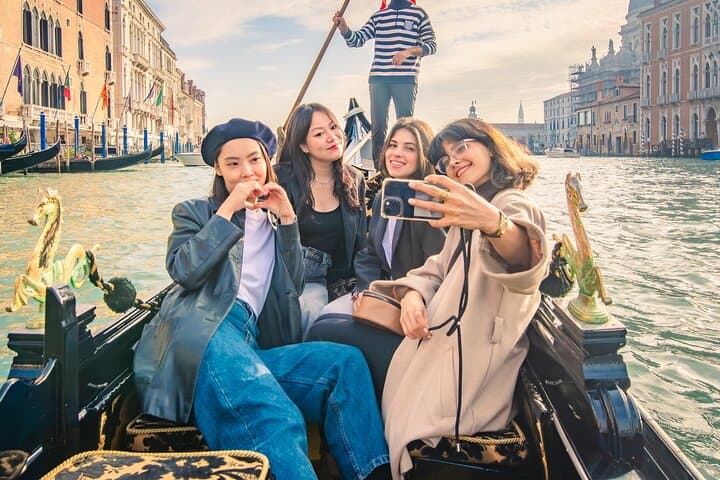
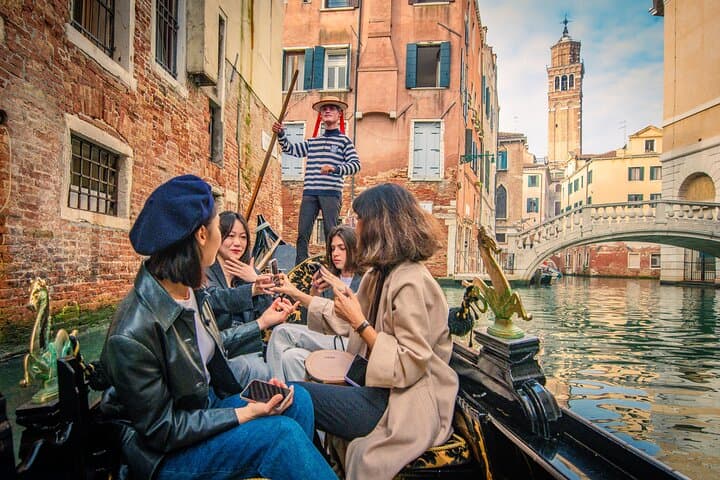
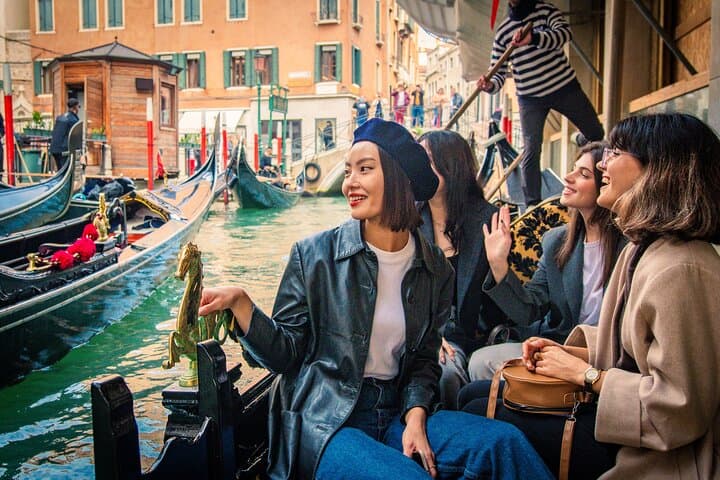
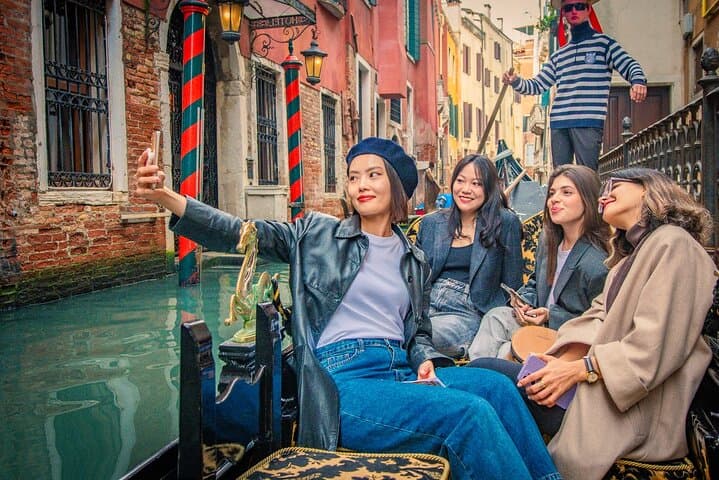
A gondola eases away from Campo San Moisè and Venice rearranges itself around the boat — carved stone facades, laundry draped from iron balconies, and the occasional bell cutting the air. For thirty minutes the city is measured in ripples: a black-hulled gondola threading under low bridges, the gondolier’s long oar marking a steady rhythm as tourists and locals trade the canal’s sideways view.
A gondola eases away from Campo San Moisè and Venice rearranges itself around the boat — carved stone facades, laundry draped from iron balconies, and the occasional bell cutting the air. For thirty minutes the city is measured in ripples: a black-hulled gondola threading under low bridges, the gondolier’s long oar marking a steady rhythm as tourists and locals trade the canal’s sideways view.
The gondola is both craft and cultural icon. These vessels evolved from medieval flat-bottomed boats designed for shallow lagoon waters; gondoliers are part pilot, part oral historian, often tracing lines that predate modern streets. Along the Grand Canal the ride passes landmarks — Basilica della Salute, Punta della Dogana, Teatro La Fenice and the ornate Bovolo spiral — each façade telling stories of trade, flood, and civic pride.
The geology beneath Venice is a marshy lagoon of silts and clay, and the city’s relationship with water is practical and political: tides rise (acqua alta), and boat traffic must be managed to protect fragile foundations. Culturally, the gondola remains a negotiated space — partly tourist attraction, partly living transport — and boarding etiquette reflects that balance.
Practical guidance: arrive 15 minutes early at Campo San Moisè, travel light (low-profile bags and flat shoes), and expect a shared seating arrangement unless you book private. The ride is short but intimate; bring a light layer for breezy canal crossings and consider booking early morning or late afternoon for softer light and fewer boats. Tipping the gondolier is customary for good service. This 30-minute classic ride offers an immediate, water-level primer to Venice’s architecture and atmosphere without the need for a guide.