THE ADVENTURE COLLECTIVE® · Independent discovery and booking for outdoor travel

Walk Venice with a local who knows the sestieri, markets, and where to find the best cicchetti. This 2.5-hour private tour covers key sights and practical tips to move like a Venetian.
Walk Venice with a local who knows the sestieri, markets, and where to find the best cicchetti. This 2.5-hour private tour covers key sights and practical tips to move like a Venetian.
You step off the vaporetto and the Grand Canal pulls your eyes along a ribbon of copper-green water, gondolas and commuter boats negotiating its curves like tides of a living city. The first bridge you cross offers a view of facades that lean toward the water, their stones darkened by centuries of salt and footsteps. A local guide—someone who buys fish at the mercato and knows which campo serves the best cicchetti—leads you into alleys that open suddenly onto sunlit squares.
Verified experiences and guided adventures in the surrounding area.
Operated by Elena Zohar Giusto · Venice, Veneto
You step off the vaporetto and the Grand Canal pulls your eyes along a ribbon of copper-green water, gondolas and commuter boats negotiating its curves like tides of a living city. The first bridge you cross offers a view of facades that lean toward the water, their stones darkened by centuries of salt and footsteps. A local guide—someone who buys fish at the mercato and knows which campo serves the best cicchetti—leads you into alleys that open suddenly onto sunlit squares.
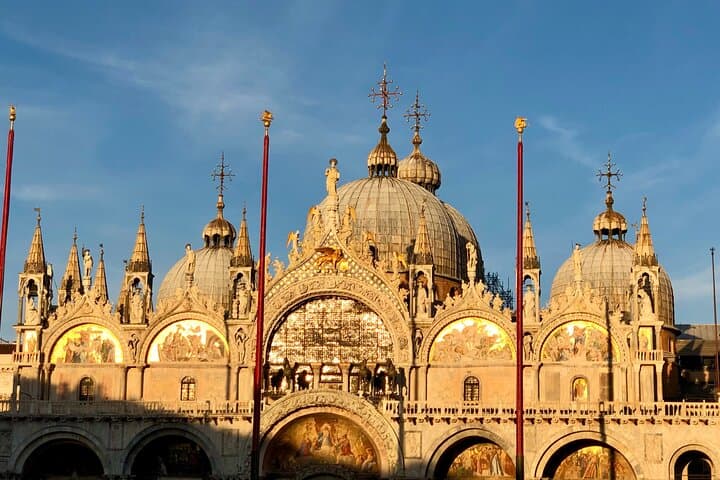
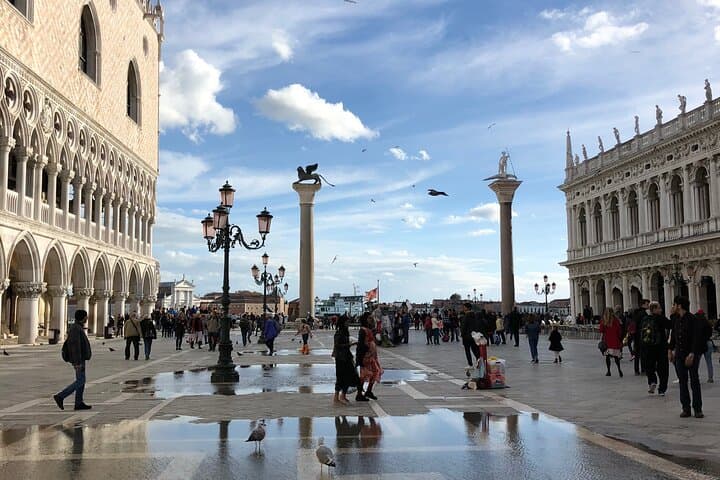
Venice began as islands occupied by refugees from the mainland in late antiquity; the city’s identity was forged by salt trade and maritime law. The skyline of Byzantine domes and Gothic palaces tells a history of merchants, shipwrights, and foreign courts. Geology here is human-made: timber piles driven into lagoon silt, foundations that bear the weight of marble and memory. Culture arrives in small measures—spritz bars at sundown, children chasing pigeons in San Marco, women buying fresh fish at the Rialto stalls.
This private 2.5-hour walking tour moves at an easy pace across bridges and through the six sestieri. Expect practical instruction: how to read vaporetto routes, where to avoid tourist-trap osterie, and simple etiquette for churches and markets. Keep hydrated, wear grippy shoes for slick stone, and time your visit for morning light or late afternoon when shadows shorten and the city’s true proportions reveal themselves. For a first-time visitor, this is an orientation that turns Venice from a postcard into a map you can read.
easy.
2.5 hours.
Suitable for most fitness levels; requires standing and walking on uneven surfaces for the duration.
Yes—paths are stroller-accessible though some bridges have steps; notify the operator in advance so the guide can choose flatter routes.
This orientation stops outside major paid attractions; admissions like Doge’s Palace are not included unless specifically arranged.
Tours are typically led in English; private guides may offer other languages on request—confirm when booking.
Arrive 10–15 minutes early to meet your guide at the agreed vaporetto stop or plaza and handle any ticket or logistics questions.
Venice grew from migrant communities in the lagoon after Roman collapse and became a maritime republic that dominated Mediterranean trade from the 9th to 15th centuries.
The city faces challenges from rising sea levels and overtourism; favor refillable bottles, support local businesses, and follow guide advice to reduce wear on fragile sites.
Elena Zohar Giusto operates guided outdoor trips and adventures with an emphasis on safety, stewardship, and memorable experiences.
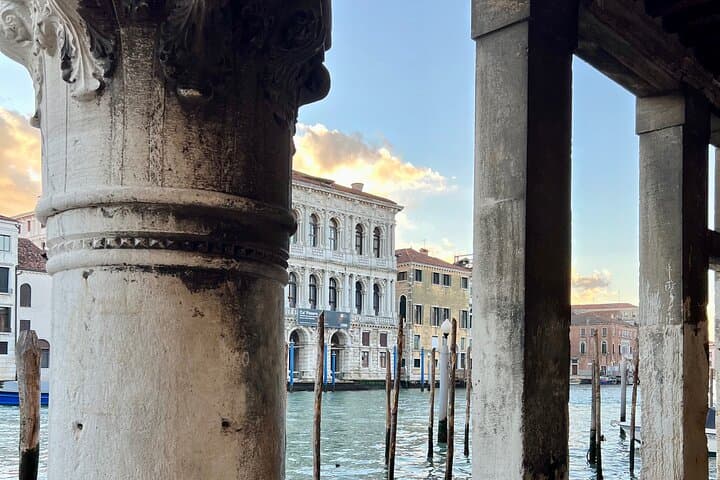
You step off the vaporetto and the Grand Canal pulls your eyes along a ribbon of copper-green water, gondolas and commuter boats negotiating its curves like tides of a living city. The first bridge you cross offers a view of facades that lean toward the water, their stones darkened by centuries of salt and footsteps. A local guide—someone who buys fish at the mercato and knows which campo serves the best cicchetti—leads you into alleys that open suddenly onto sunlit squares.
You step off the vaporetto and the Grand Canal pulls your eyes along a ribbon of copper-green water, gondolas and commuter boats negotiating its curves like tides of a living city. The first bridge you cross offers a view of facades that lean toward the water, their stones darkened by centuries of salt and footsteps. A local guide—someone who buys fish at the mercato and knows which campo serves the best cicchetti—leads you into alleys that open suddenly onto sunlit squares.
Venice began as islands occupied by refugees from the mainland in late antiquity; the city’s identity was forged by salt trade and maritime law. The skyline of Byzantine domes and Gothic palaces tells a history of merchants, shipwrights, and foreign courts. Geology here is human-made: timber piles driven into lagoon silt, foundations that bear the weight of marble and memory. Culture arrives in small measures—spritz bars at sundown, children chasing pigeons in San Marco, women buying fresh fish at the Rialto stalls.
This private 2.5-hour walking tour moves at an easy pace across bridges and through the six sestieri. Expect practical instruction: how to read vaporetto routes, where to avoid tourist-trap osterie, and simple etiquette for churches and markets. Keep hydrated, wear grippy shoes for slick stone, and time your visit for morning light or late afternoon when shadows shorten and the city’s true proportions reveal themselves. For a first-time visitor, this is an orientation that turns Venice from a postcard into a map you can read.